
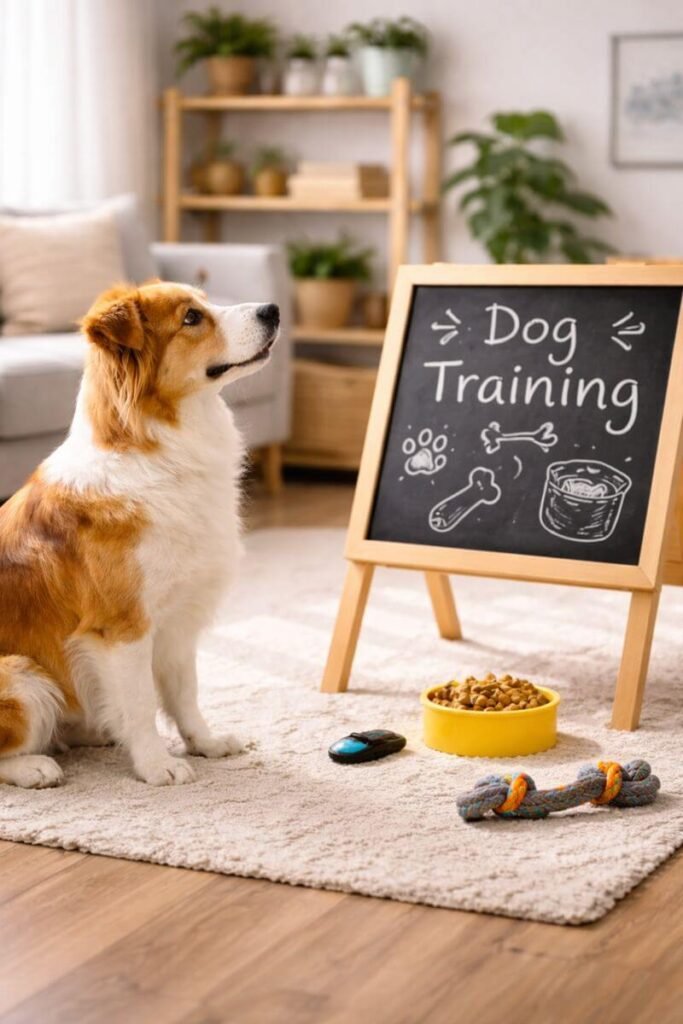
Dog training sounds simple. Teach sit. Teach stay. Teach come. Many people believe this is enough. Real training starts much earlier and goes much deeper. Training is not about tricks. Training is about helping a dog understand how to live in a human world.
Most problems people complain about are not behavior problems. They are communication problems. Dogs do not misbehave to annoy you. They behave in ways that make sense to them. Your job is to guide that behavior in a clear and fair way.
This article focuses on real life training. Not shortcuts. Not viral methods. Just what actually works when a dog lives with you every day.
Understanding What Training Really Means
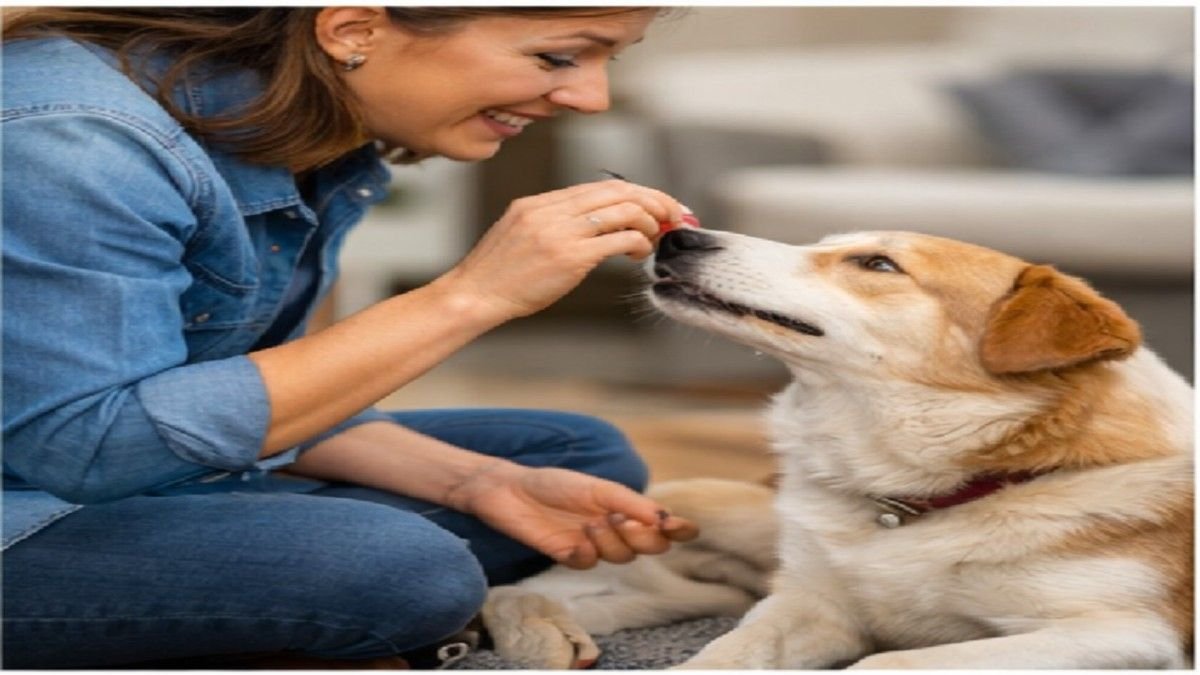
Training is not control. Training is guidance. A trained dog feels safe because it knows what is expected. An untrained dog feels confused. Confusion creates stress. Stress creates unwanted behavior.
Dogs learn from patterns. They repeat what works. They avoid what does not. Every interaction you have with your dog teaches something. Even when you think you are not training, you are still teaching.
- If your dog jumps and you pet it, jumping works.
- If your dog barks and you shout, barking gets attention.
- If your dog pulls and reaches the destination, pulling works.
Training starts with awareness. You must notice what your dog is learning from you.
Why Dogs Behave Differently During Training
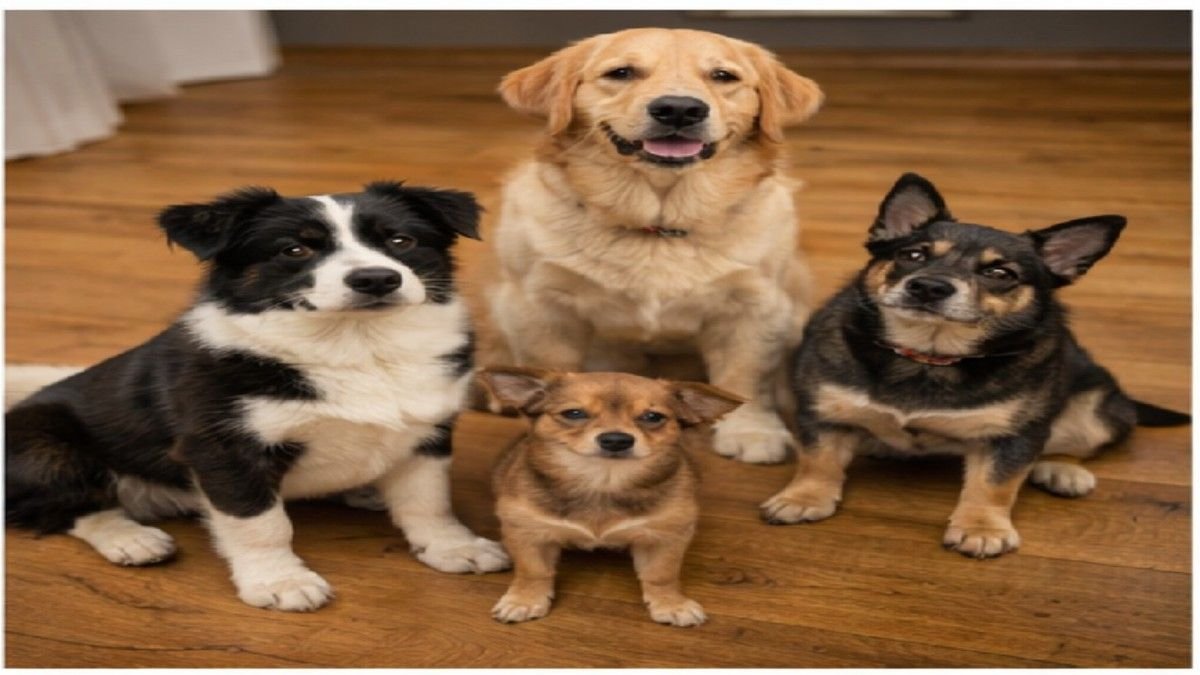
Every dog learns differently—breed matters. Age matters. Past experiences matter.
- Some dogs learn fast but lose focus quickly.
- Some dogs learn slowly but remember for life.
- Some dogs shut down under pressure.
- Some dogs become stubborn when confused.
This is normal. Comparing your dog to other dogs creates frustration. Training succeeds when you work with your dog, not against it.
The Biggest Training Mistake New Owners Make

The most common mistake is inconsistency.
- One day something is allowed.
- The next day it is punished.
Dogs do not understand exceptions. They understand patterns. If rules change, dogs feel unsafe. When dogs feel unsafe, behavior problems increase.
Another mistake is expecting too much too soon. Puppies are babies. Adult dogs with no training are beginners. Progress takes time.
Short sessions work better than long sessions. Five minutes done correctly beats thirty minutes of frustration.
Basic Training That Every Dog Needs
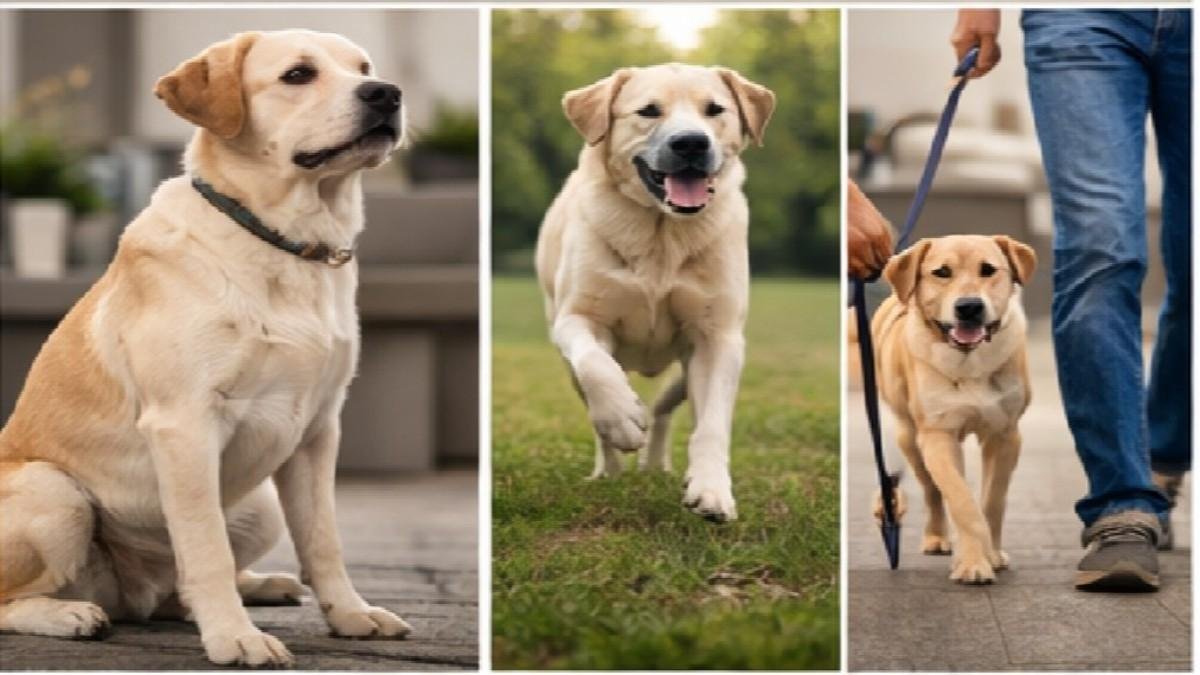
Some skills are not optional. They are necessary for safety and peace at home.
- Name response: Your dog should look at you when you say its name. This is the foundation of all training.
- Recall: Coming when called saves lives. This should be practiced daily in safe environments.
- Loose leash walking: Pulling causes stress for both dog and owner. Calm walking builds trust.
- Sit and stay: These commands help control excitement and prevent accidents.
- Leave it: This protects your dog from dangerous objects and food.
These are not tricks. These are life skills.
Why Positive Training Works Better

Dogs learn faster when they feel safe. Fear shuts down learning. Rewards build confidence.
Reward based training does not mean no rules. It means clear rules with fair feedback.
- Rewards can be food.
- Rewards can be praise.
- Rewards can be play.
The reward must matter to the dog. Timing matters more than reward size. Reward immediately when the behavior happens.
Punishment often stops behavior temporarily. It does not teach what to do instead. This creates confusion.
Training Puppies Versus Adult Dogs
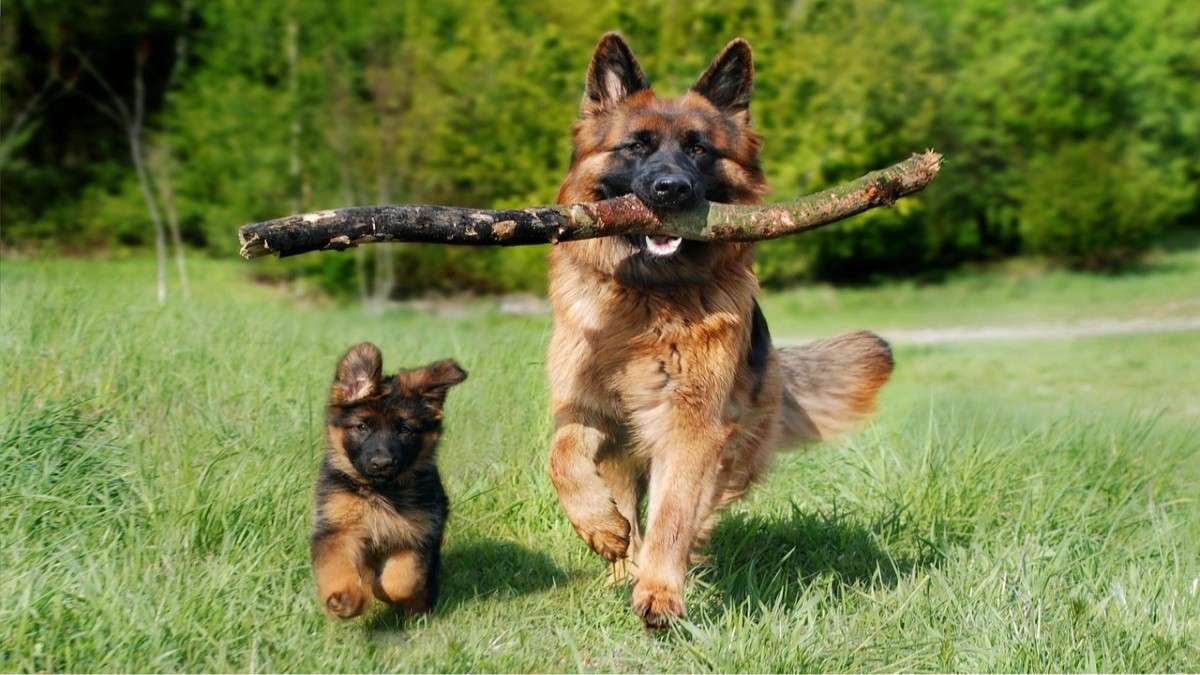
Puppies learn fast but have short attention spans. Adult dogs learn slower but focus longer.
Puppy training should focus on exposure.
- Sounds.
- People.
- Surfaces.
- Gentle handling.
Positive experiences shape future behavior.
Adult dogs may carry habits. Habits can be changed with patience. Age does not block learning. Inconsistency does.
Never assume an adult dog cannot learn. Many adult dogs learn better than puppies because they can focus.
The Role of Routine in Training
Dogs feel calm when life is predictable. Routine reduces anxiety. Reduced anxiety improves learning.
- Feed at similar times.
- Walk at similar times.
- Train at similar times.
Routine does not mean strict schedules. It means general consistency.
A calm dog learns faster than an excited or anxious dog.
Training Problems and What They Usually Mean
- Pulling on leash means the dog wants to move faster or lacks guidance.
- Excessive barking often means boredom or insecurity.
- Chewing furniture usually means lack of mental stimulation or teething.
- Ignoring commands usually means the dog does not understand or finds something else more rewarding.
Blaming the dog delays solutions. Understanding the reason fixes the problem.
Mental Stimulation Is Training Too

Training is not only commands. Mental work tires dogs more than physical exercise.
- Puzzle toys.
- Scent games.
- Learning new commands.
A mentally satisfied dog is calmer at home. Many behavior issues disappear when the brain is engaged.
Exercise alone is not enough for intelligent breeds. They need thinking tasks.
Socialization Is Part of Training
Socialization does not mean forcing interaction. It means positive exposure.
Dogs should see
- Different people.
- Different dogs.
- Different environments.
Bad social experiences create fear. Fear creates aggression.
Good socialization builds confidence. Confident dogs train better.
Common Training Myths That Cause Harm
- Myth one: Dogs need dominance.
Reality: Dogs need clarity and consistency. - Myth two: Old dogs cannot learn.
Reality: Learning continues for life. - Myth three: Training once is enough.
Reality: Training is ongoing.
Believing myths delays progress and creates frustration.
When Professional Help Is a Good Idea
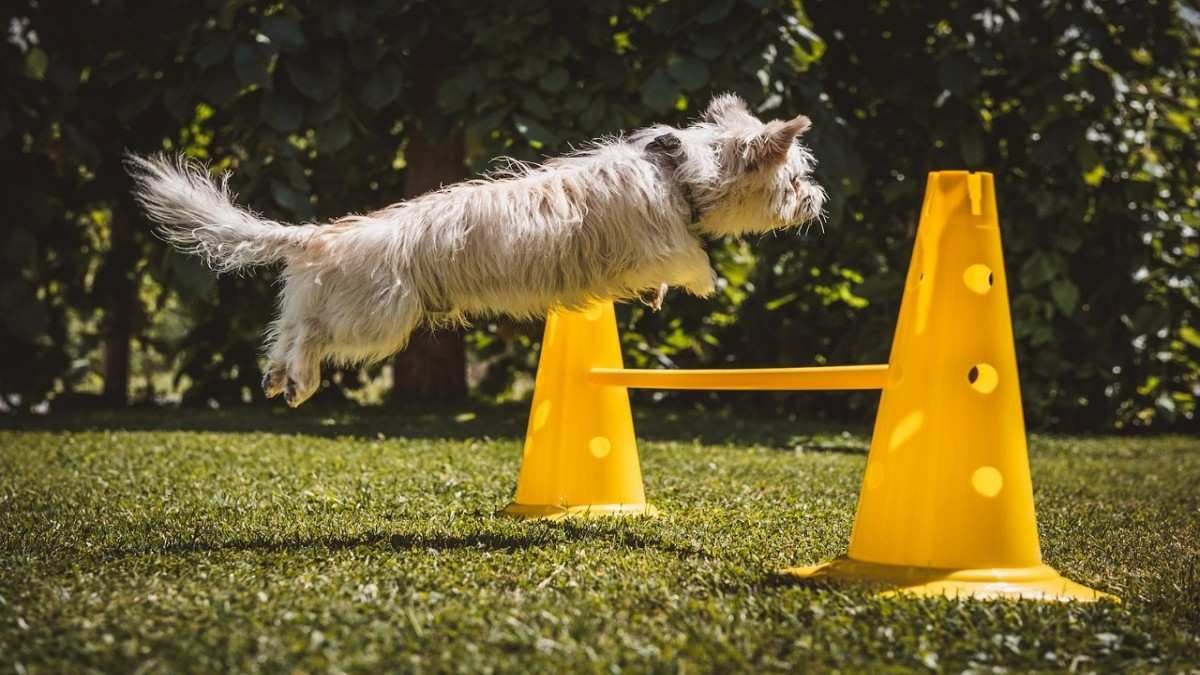
Some problems need expert guidance.
- Aggression.
- Severe anxiety.
- Resource guarding.
A good trainer teaches you how to communicate. They do not train the dog alone.
Avoid trainers who rely on fear. Avoid quick fix promises. Real change takes time.
Training Builds the Human Dog Relationship
Training strengthens trust. Your dog learns that you are predictable and fair. You learn how your dog thinks.
A trained dog is not a robot. It is a relaxed companion.
Dogs want to please. They just need clear instructions.
Living With a Trained Dog
Life becomes easier. Walks become calmer. Guests feel comfortable. Vet visits become manageable.
Training is not about perfection. It is about progress.
Every dog can improve. Every owner can learn.
Final Thoughts From Experience
Dog training is not about control. It is about understanding. Dogs live in a world built for humans. Training helps them survive in it calmly.
Consistency matters more than technique. Patience matters more than speed.
If you invest time in training, you gain years of peace.