
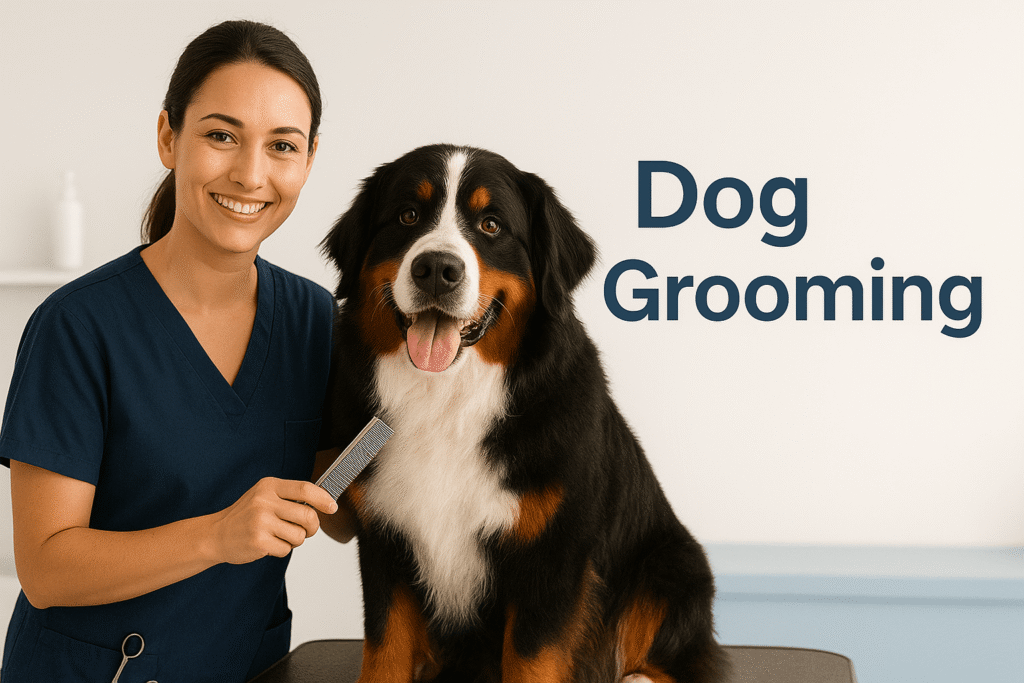
Most people think dog grooming is only about looks. In real life, it is more about comfort, health, and daily care. A clean dog feels better, moves better, and usually behaves better too. Grooming is not something only professionals should do. Every dog owner can handle basic grooming at home with a little time and patience.
This article is written in a simple way, based on what normal dog owners deal with every day. No fancy terms, no perfect routines. Just practical care that works. From my personal experience, I’ve learned how to keep dog grooming safe and healthy.
Getting to Know Your Dog’s Coat
Coat Types
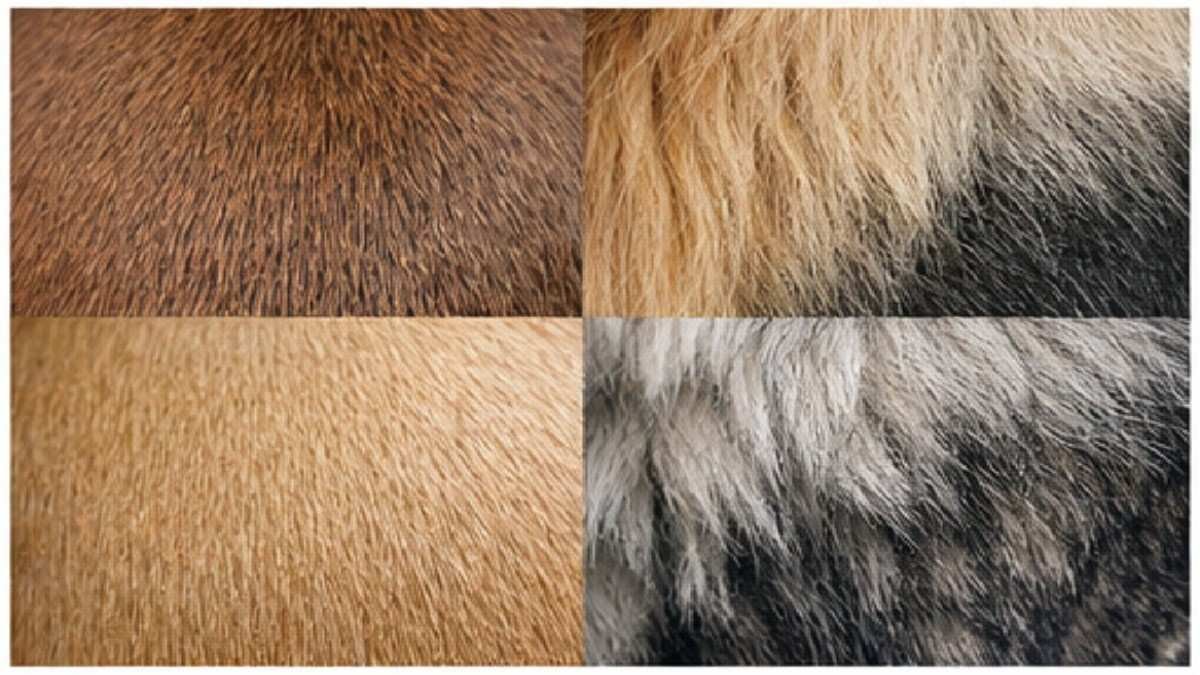
Every dog’s coat behaves differently. Some dogs have short hair that sheds lightly. Others have long hair that tangles fast. A few have thick double coats that trap dirt and heat. Before grooming, it helps to notice how your dog’s fur reacts to brushing, water, and weather.
Brushing Frequency
If your dog’s hair sticks together easily, brushing needs to be more frequent. If the coat feels oily or smells bad quickly, bathing habits may need adjustment. These small observations matter more than breed labels.
Skin Health
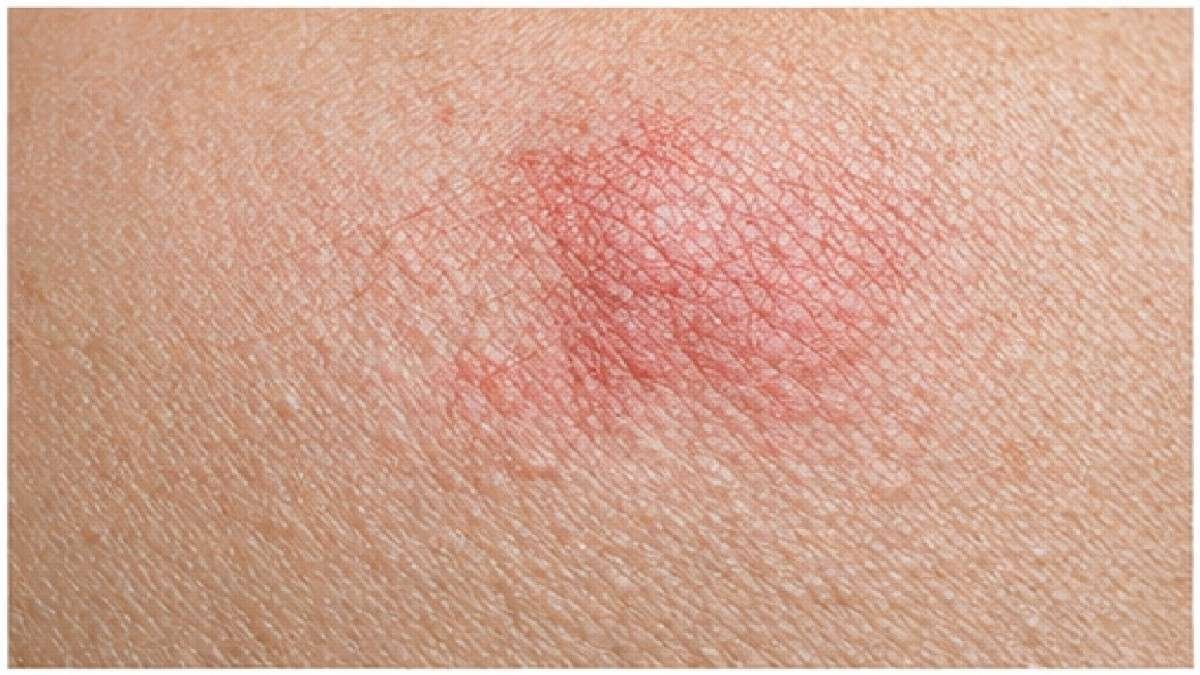
Skin health is just as important. While grooming, you might notice dry patches, redness, bumps, or excessive scratching. These signs often show up early during brushing or bathing. That alone makes grooming valuable.
Why Grooming Makes Daily Life Easier
Reduces Household Mess
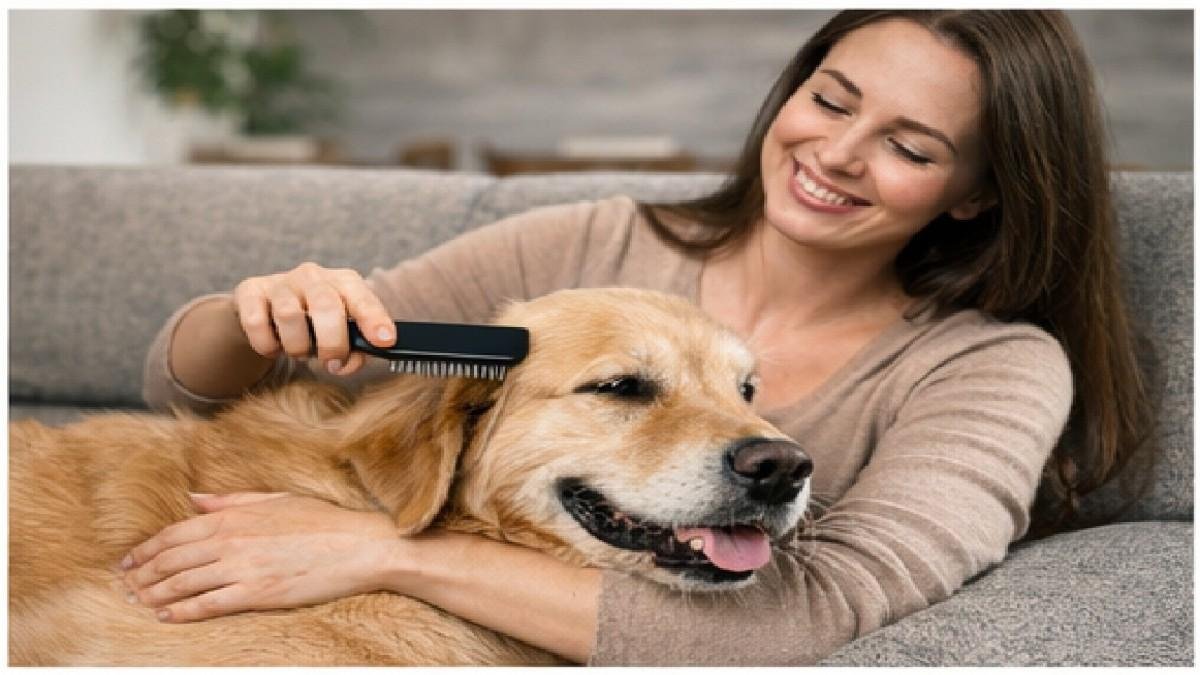
Regular grooming saves trouble later. Dogs with brushed coats shed less around the house. Clean ears reduce head shaking and irritation. Trimmed nails prevent awkward walking and joint stress.
Better Behavior
There is also a behavior side to it. Dogs that get used to gentle handling stay calmer during vet visits. Grooming becomes a normal routine instead of a fight.
Early Detection
Another benefit is early detection. Many owners discover ticks, wounds, or skin issues during grooming. Catching problems early often avoids bigger medical costs.
Basic Grooming Tools You Actually Need
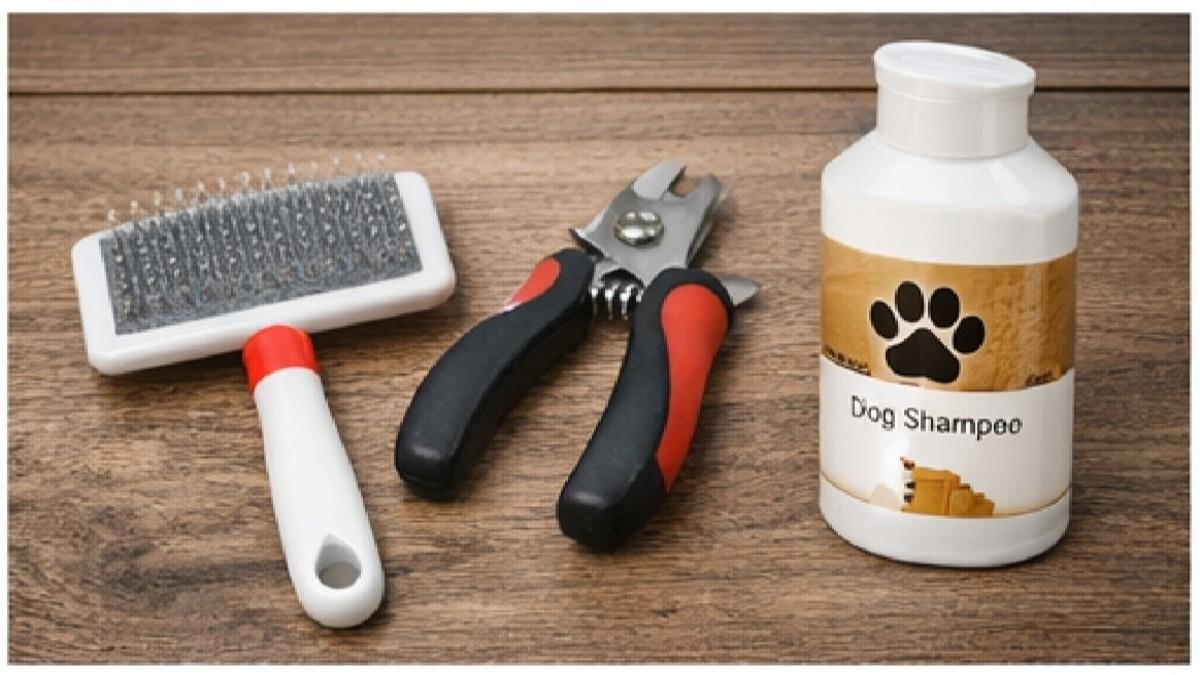
You do not need a full grooming kit to start. A few simple tools are enough.
Brushes and Combs
A brush that suits your dog’s coat is the most important item. For short hair, a soft bristle brush works well. For longer or curly coats, a slicker brush helps remove loose hair and small knots. A basic metal comb is useful for checking behind ears and under legs.
Nail Clippers
Nail clippers made for dogs are necessary. Human nail cutters can crack dog nails. If clippers feel scary, a nail grinder is another option, though some dogs dislike the sound.
Shampoo and Accessories
Always use dog shampoo. Human shampoo dries dog skin and can cause itching. A mild, unscented shampoo is usually safest. Keep old towels, cotton pads, and a gentle ear cleaning solution at home. These small things make grooming smoother.
Brushing Without Stress
Start Slowly
Brushing does not need to be perfect. What matters is consistency. Two or three sessions a week help most dogs. Long hair dogs may need daily brushing, even if it is just five minutes.Brushing spreads natural oils across the coat and keeps fur looking healthy. It also reduces hair buildup on furniture and clothes.
Handling Knots
Let the dog sniff the brush. Begin with easy areas like the back before moving to sensitive spots. If you find a knot, do not pull hard. Use fingers to loosen it or trim it carefully if needed.
Bath Time Done Right
Pre-Bath Prep
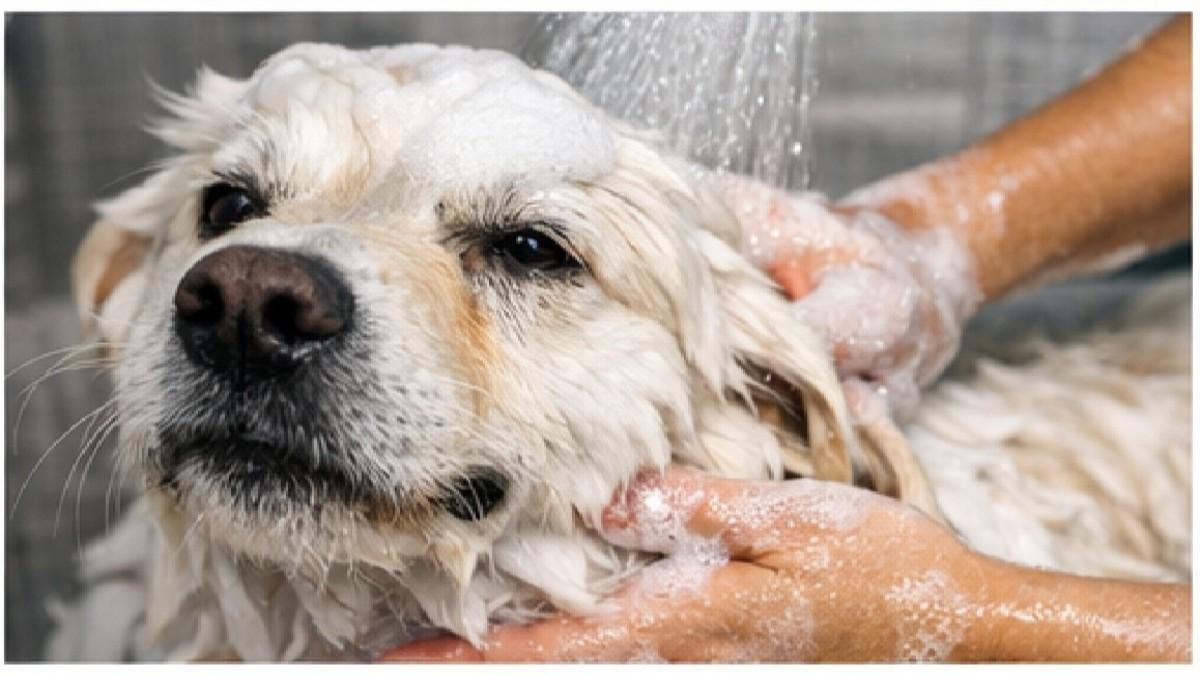
Most dogs do not need frequent baths. Once every few weeks is usually enough unless the dog gets very dirty.Brush before bathing to remove loose hair.
Shampoo and Rinse
Use lukewarm water. Wet the coat fully, then apply shampoo and massage gently. Avoid eyes and inside ears.Rinse longer than you think is needed. Shampoo left on the skin often causes itching later.
Drying
Dry the dog with a towel. Hair dryers are optional and should only be used if the dog stays calm.
Nail Trimming and Paw Checks
Trim Nails Safely
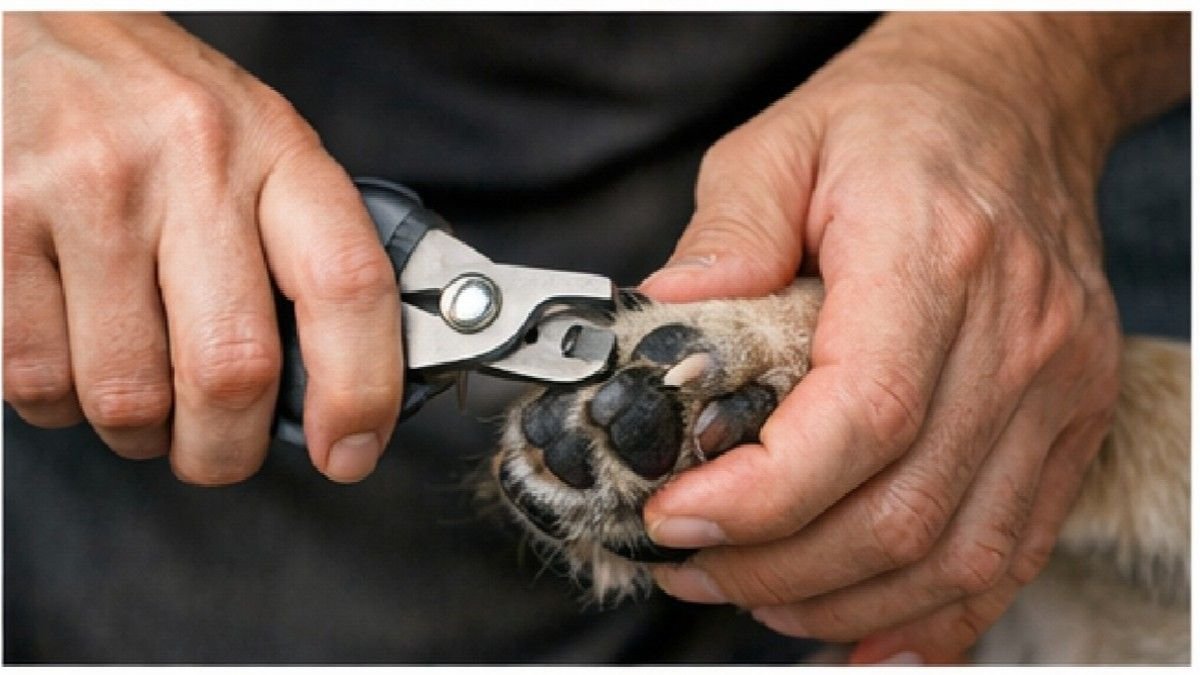
Long nails can cause pain and posture problems. If nails click on the floor, they are too long. Trim a small amount at a time. The pink area inside the nail is sensitive and should be avoided.If bleeding happens, stay calm and apply pressure.
Paw Inspection
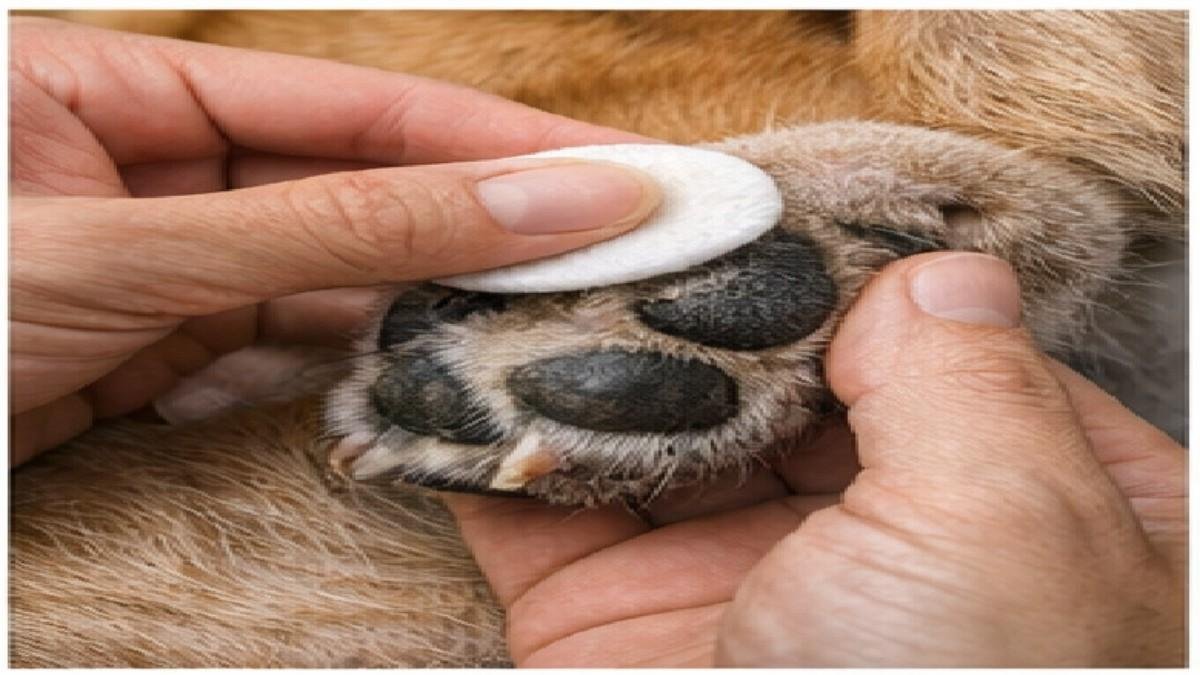
Check paws during grooming. Look for cracks, cuts, or objects stuck between toes. After walks, a quick wipe keeps paws clean and prevents infections.
Cleaning Ears and Eyes
Ear Cleaning
Ears should be checked weekly. Clean only what you can see. Use a cotton pad with dog ear solution. Never push anything deep into the ear.
A bad smell or heavy discharge usually means infection and needs a vet visit.
Eye Cleaning
Eyes can be wiped gently with a damp cloth. Tear stains are common and mostly harmless. Redness or swelling should not be ignored.
Managing Shedding
Regular Brushing
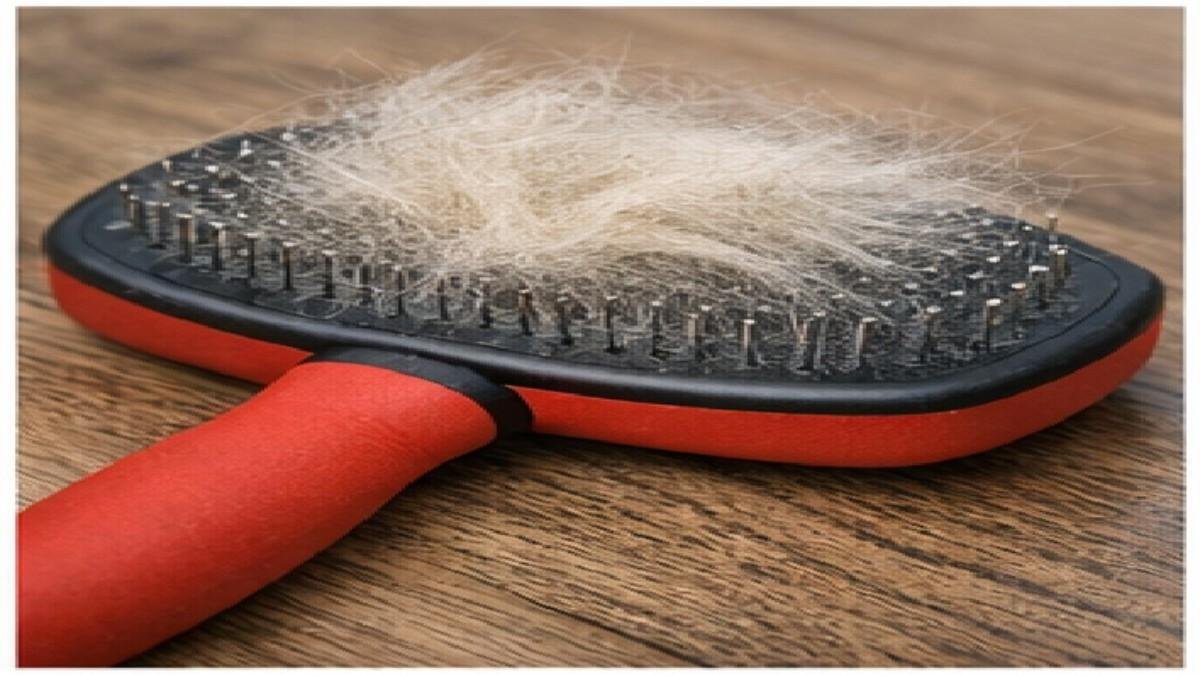
Shedding is normal. Regular brushing controls it better than frequent bathing. During seasonal shedding, daily brushing helps a lot.
Diet and Water
Diet matters too. Dogs on balanced food usually have healthier coats. Clean water should always be available.
Watch for Health Issues
Sudden heavy shedding can be stress or health related. If it feels unusual, professional advice is a good idea.
Helping Nervous Dogs Feel Safe
Short Sessions
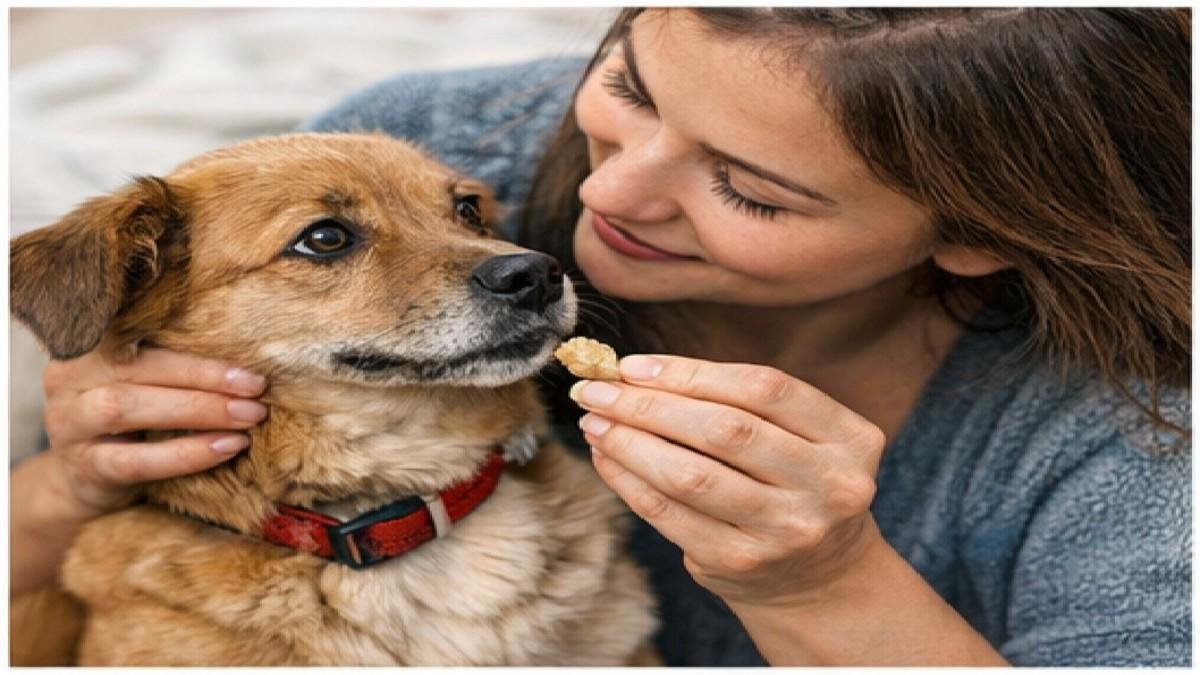
Some dogs dislike grooming. This often comes from fear or past experiences. Patience works better than force.Keep sessions short. Use calm voice and rewards. Stop if the dog becomes very stressed. Over time, familiarity builds comfort.
Professional Help
For aggressive reactions, professional groomers or trainers are safer options.
Home Grooming vs Professional Grooming
Home Grooming
Home grooming handles everyday needs. Brushing, bathing, and nail trimming can be done at home.
Professional Grooming
Professional groomers are useful for full haircuts, heavy mat removal, and breed specific styles. Many owners combine both approaches.
Common Grooming Mistakes
Shampoo Mistakes
Using human shampoo damages skin.
Brushing Mistakes
Skipping brushing leads to painful mats.
Nail and Skin Mistakes
Cutting nails too short creates fear. Ignoring skin changes delays treatment.
Simple awareness prevents most mistakes.
Building a Realistic Routine
Simple Steps
A simple routine works best. Brush a few times a week. Bathe when needed. Trim nails monthly. Check ears and eyes weekly.
Predictable Routine
Dogs relax when routines stay predictable. Grooming slowly becomes part of normal life.
Final Thoughts
Summary
Dog grooming is not about perfection. It is about care, comfort, and attention. A few regular habits keep dogs healthy and happy.
Benefits
A well groomed dog is easier to live with and often feels more confident. Most importantly, grooming strengthens the bond between you and your dog.