

When people talk about dog breeds, the conversation usually starts and ends with looks. Big dog, small dog, fluffy dog, aggressive dog, friendly dog. Very few people talk about what actually happens after the dog comes home. The truth is, living with a dog is very different from watching videos online or seeing someone else’s pet for five minutes.
Dog breeds matter, not because one breed is better than another, but because every breed comes with habits, needs, and expectations. Ignoring this is one of the biggest reasons why dogs end up unhappy or abandoned.
This article is not written like a manual. It is written the way experienced dog owners slowly understand dogs — through observation, mistakes, and time.
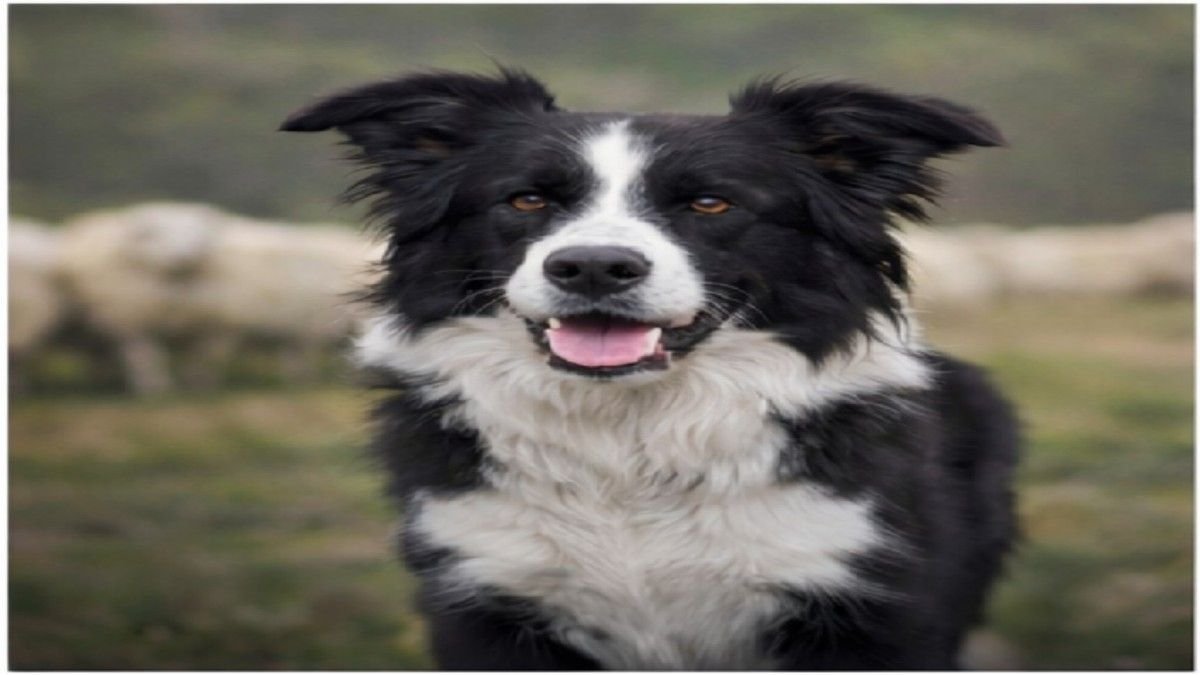
A Dog Breed Is a Set of Habits, Not Just a Category
A dog breed is often treated like a title. Labrador. German Shepherd. Husky. But in real life, a breed is more like a personality blueprint.
- Some dogs wake up ready to move.
- Some dogs wake up calm and relaxed.
- Some dogs need constant interaction.
These things don’t come from training videos. They come from genetics.

People are often surprised when their dog behaves in a certain way. In reality, the dog is only doing what it was bred to do. A Beagle following smells is not being naughty. A Shepherd watching every sound at night is not being paranoid. These are natural behaviors.
How Humans Accidentally Created Dog Breeds
Thousands of years ago, dogs were not pets. They were helpers. Humans kept dogs that made life easier. Over time, this created patterns.
- Dogs that guarded villages were kept and bred again.
- Dogs that helped in hunting were valued.
- Dogs that controlled animals on farms survived.
Nobody cared about cuteness. Survival came first.

Slowly, dogs developed predictable traits. That is why today we can guess how a breed will behave, even before meeting the dog.
Modern life has changed, but dogs are still carrying ancient instructions in their brains.
Why Training Alone Is Not Enough
Many people believe that if a dog misbehaves, it simply needs more training. Training helps, but it does not replace breed understanding.
- An energetic dog without exercise becomes destructive.
- An intelligent dog without stimulation becomes frustrated.
- An emotional dog without attention becomes anxious
This is not disobedience. This is unmet need.
Once owners understand this, their relationship with their dog improves automatically.
Different Dogs, Different Daily Realities
Working-Type Dogs
These dogs are serious. They like rules, routine, and leadership. They don’t enjoy confusion.
German Shepherds and similar breeds are loyal, but they watch everything. They need direction. Without guidance, their protective nature can become stress.
They are amazing dogs — but not easy dogs
Dogs That Think All the Time
Herding-type dogs are constantly thinking. They don’t relax easily.
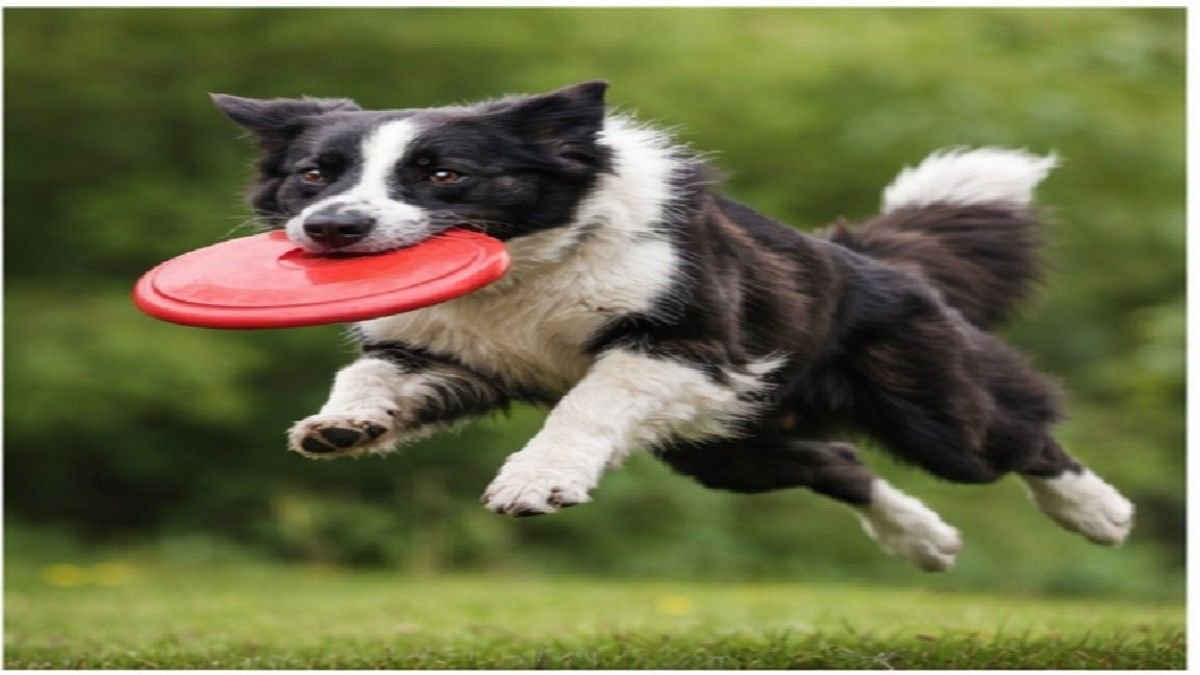
Movement attracts them. Noise catches their attention. They like having something to do, even if it’s meaningless.
When bored, they invent their own activities, which owners usually don’t appreciate.
Friendly and Emotional Dogs
Some dogs are emotionally open. Labradors and Golden Retrievers fall into this category.
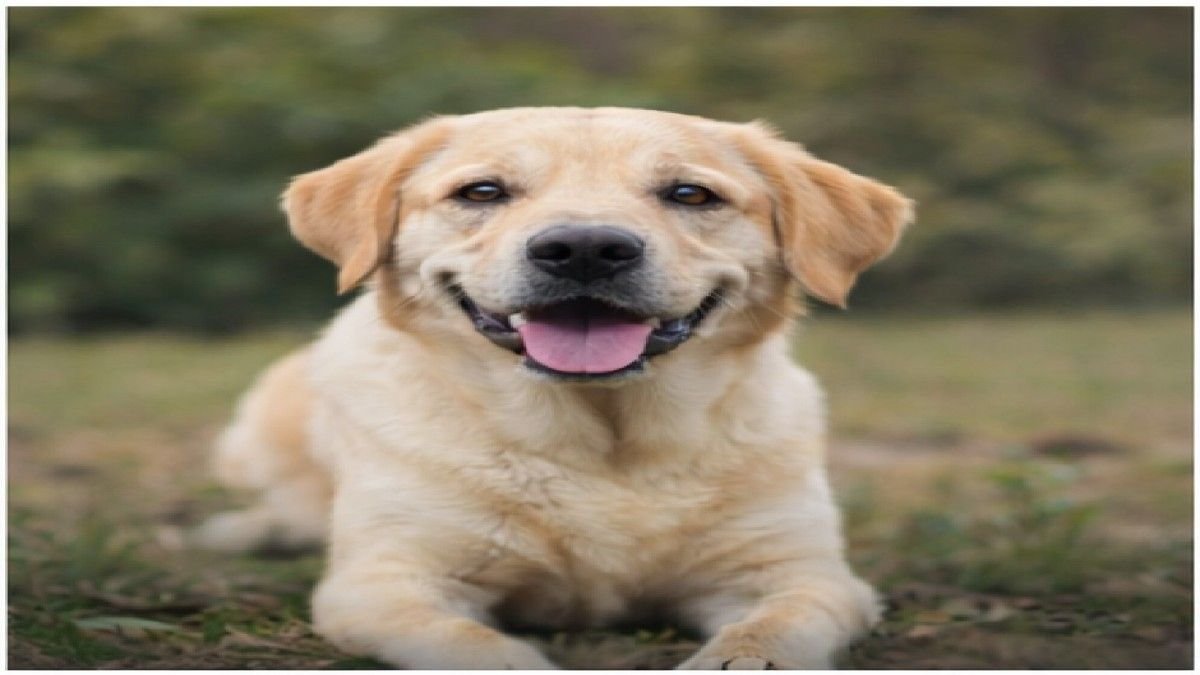
They love people. They want to be involved. Ignoring them hurts them emotionally, even if they don’t show it clearly.
These dogs give a lot of love, but they also expect time and presence.
Small Dogs With Big Feelings
Small dogs are often spoiled instead of trained. This creates confusion.
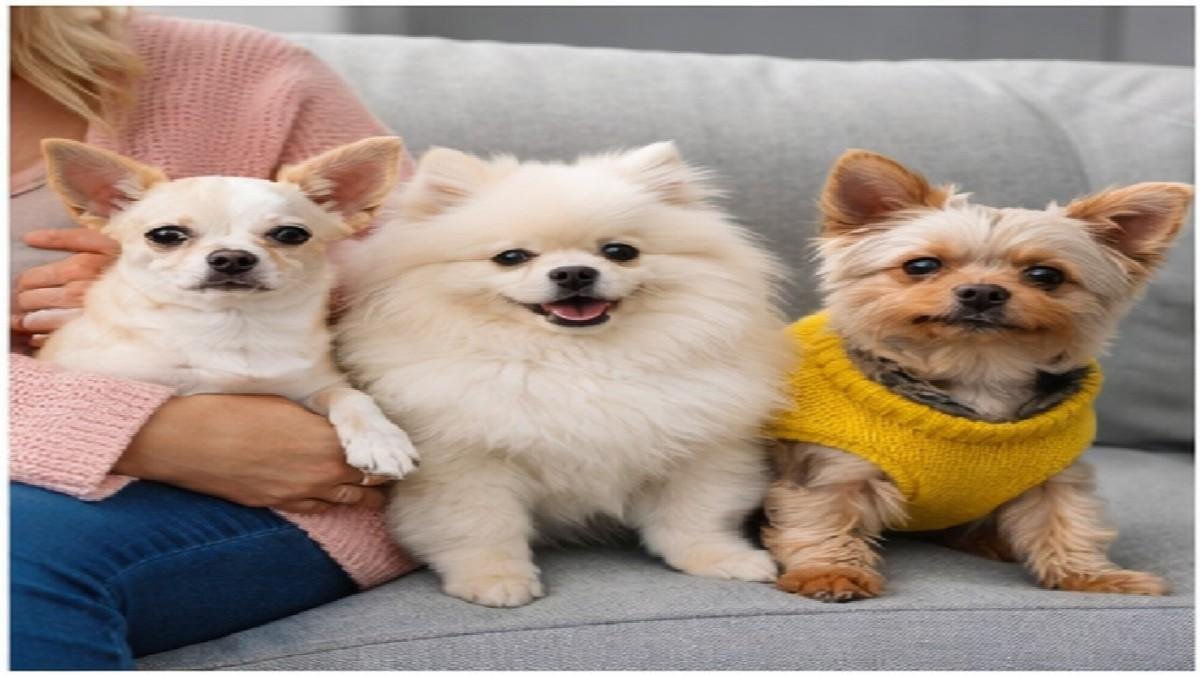
Toy breeds don’t understand that they are small. They only understand behavior patterns. Without boundaries, they develop fear, noise issues, or aggression.
Size does not reduce responsibility.
Dogs That Trust Their Instincts More Than Words
Hounds live in their senses. Once something smells interesting, the rest of the world disappears.
Owners often think these dogs are stubborn. They are not. They are focused.
Training works with patience, not force.
Popular Breeds and Honest Observations
Labradors are loving, but they eat emotionally. Many health problems start with overfeeding.
German Shepherds are loyal, but they need social exposure early. Isolation creates fear.
Golden Retrievers are gentle. Harsh discipline damages their confidence.
Huskies are beautiful but demanding. They are not lazy dogs. They need effort.
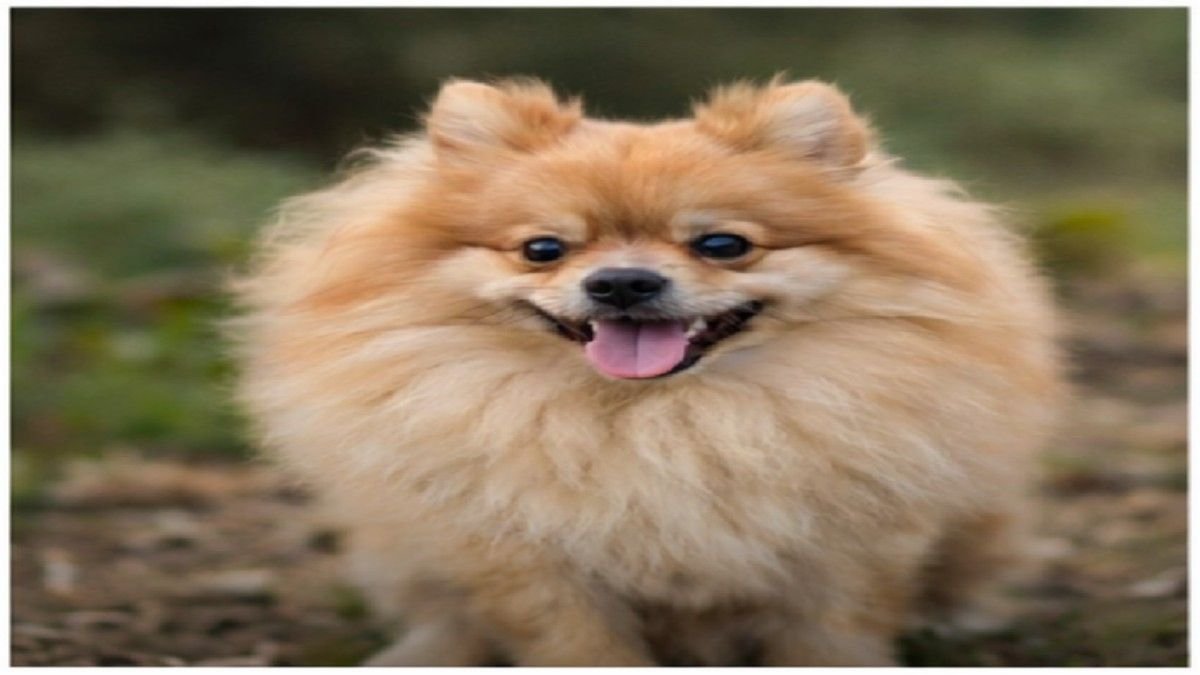
Pomeranians are confident. Without rules, they try to control situations.
These realities are rarely mentioned before adoption.
Choosing a Dog Should Feel Uncomfortable at First
If choosing a dog feels too easy, something is wrong.
Good decisions come with questions:
- Can I adjust my routine?
- Can I handle responsibility for years?
- Can I afford emergencies?
Dogs don’t leave when life gets busy.
Health Is Not Just Genetics
Breed-related health issues exist, but lifestyle makes them worse or better.
Bad food, no exercise, and late vet visits turn small issues into serious problems.
Healthy dogs come from informed owners
Grooming Is About Respect
Dogs don’t need grooming to look good. They need grooming to feel comfortable.
Ignoring grooming causes pain, not just mess.
Feeding Is Not Love
Many owners show love through food. Dogs pay the price later.
Proper diet is care, not cruelty.
Mixed Breed Dogs Deserve More Credit
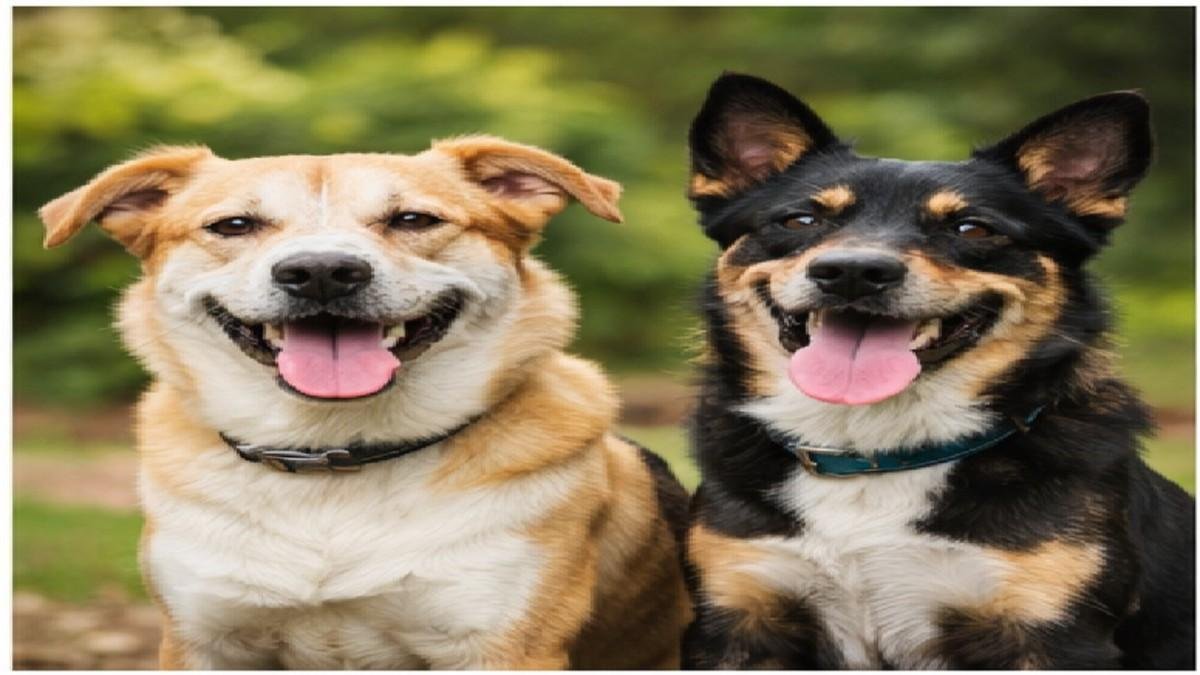
Mixed breed dogs are often stronger, calmer, and more adaptable.
They are not “lesser dogs.” They are survivors.
Adoption is not charity. It is a smart choice.
Training Is Communication
Training is not about control. It is about clarity.
Dogs relax when they understand expectations.
Confused dogs become anxious dogs.
Living With a Dog Changes Over Time
Dogs age. Energy reduces. Needs increase.
Choosing a dog means choosing responsibility for its entire life, not just puppy months.
Final Thoughts (From Experience)
Dog breeds matter, but they don’t guarantee anything. Love alone is not enough. Knowledge makes love work.
A dog does not become loyal because of breed. It becomes loyal because someone understood it.