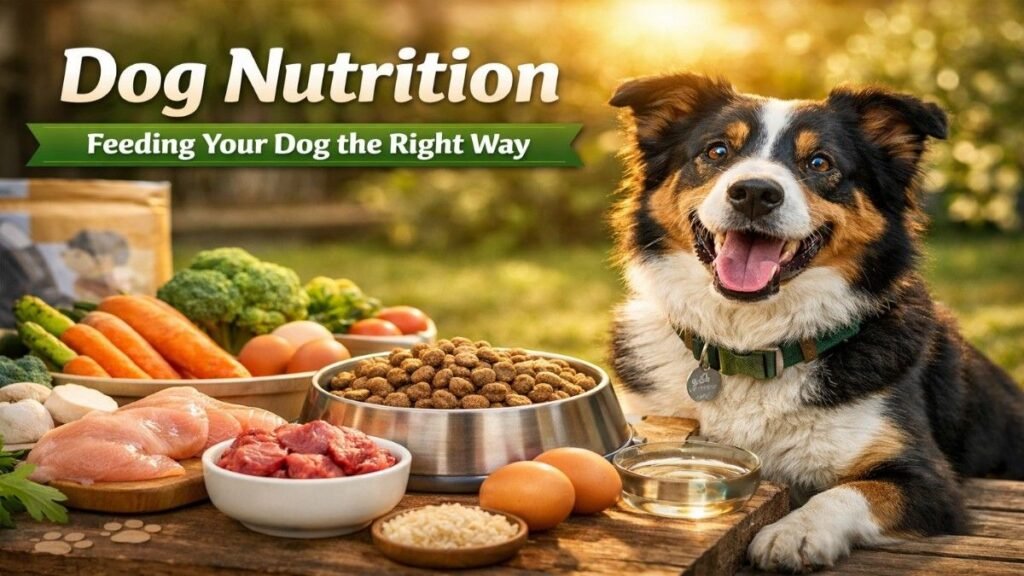
Dog Nutrition: Real Talk About Feeding Your Dog the Right Way
Let’s start with something simple. Most dog owners love their dogs. Like, really love them. They worry if the dog skips one meal. They panic over a little cough. They Google everything at 2 a.m. So when it comes to food, people usually mean well. But meaning well and feeding right are not always the same thing.
I have seen dogs eating premium food and still looking tired. I have also seen dogs on very basic diets doing just fine. That’s when it hits you. Nutrition is not only about brands or price. It’s about understanding your dog, even a little.
And no, you don’t need to become a vet or a nutrition expert. You just need to pay attention.
Why Food Affects Dogs More Than We Think

Dogs can’t tell you, “Hey, this food makes me feel weird.” They show it instead.
-
Low energy
-
Scratching all the time
-
Loose stools
-
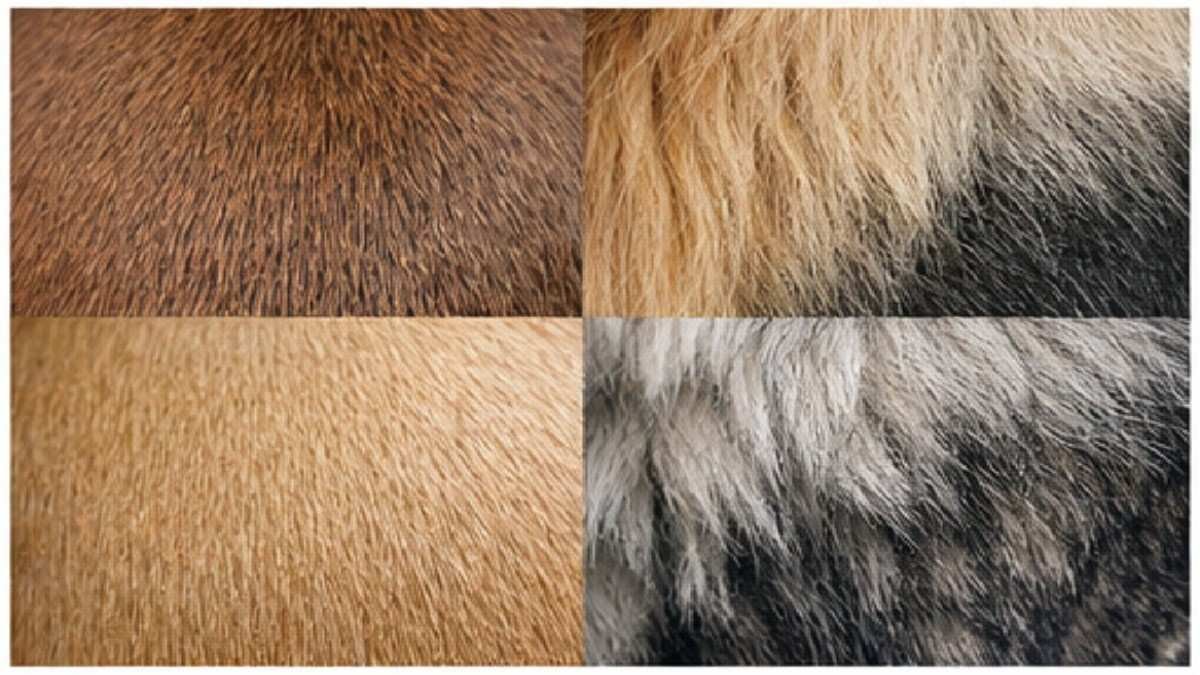
Dull coat
-
Mood changes
Food plays a role in all of this. Not overnight, usually. Slowly. That’s why many people miss it.
A dog eating the wrong balance of nutrients might look okay at first. Weeks later, small signs appear. Months later, real problems.
Dogs Need Balance, Not Perfection
Here’s the thing. Dogs don’t need a perfect diet. They need a balanced one. There’s a difference.
A balanced diet means:
-
Protein
-
Fats
-
Some carbs
-
Vitamins
-
Minerals
-
Water
Miss one piece and the whole thing feels off.
Protein Comes First
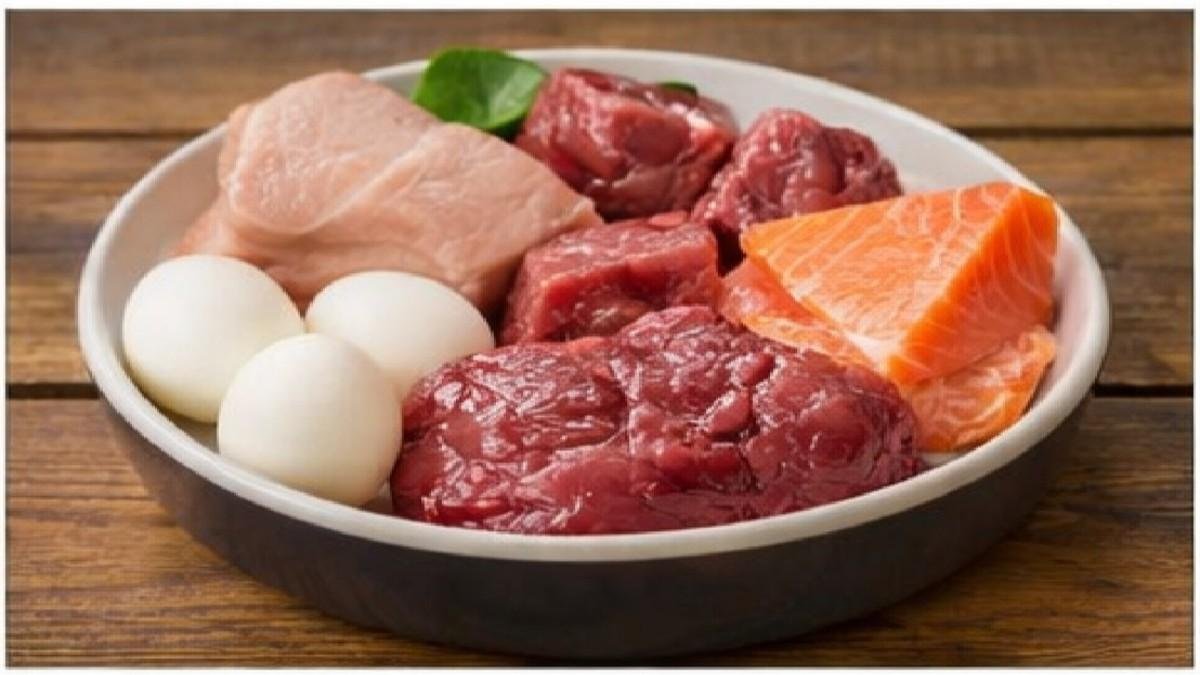
Protein is what keeps dogs strong. Muscles, skin, fur, even the immune system rely on it.
-
Chicken
-
Beef
-
Turkey
-
Fish
-
Eggs
Puppies need more protein because they grow fast. Adult dogs need enough to maintain muscle. Senior dogs still need protein, just better quality and easier to digest.
Too little protein leads to weakness. Too much, especially poor quality protein, can cause digestive stress. Balance matters.
Fats Are Not the Enemy

A lot of people get scared of fats. They shouldn’t. Healthy fats give dogs energy. They support skin, coat, joints, and brain health.
Omega fatty acids, especially Omega 3, help with:
-
Itching
-
Inflammation
-
Anxiety in some dogs
Fish oil is common, but not every dog likes it. That’s normal.
If your dog’s coat looks dry or flaky, fats might be missing.
Carbs Have a Role Too
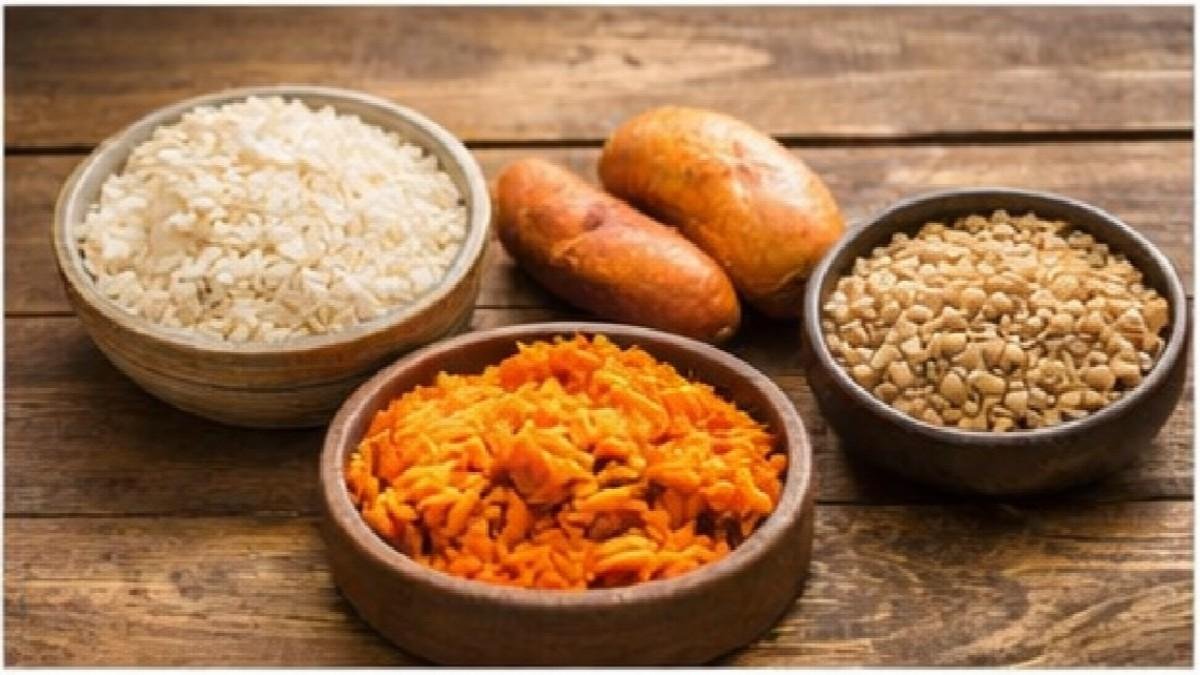
Dogs don’t need a huge amount of carbs, but they are not useless either. Carbs provide energy and fiber.
-
Rice
-
Oats
-
Sweet potatoes
-
Barley
Some dogs handle carbs very well. Others do better with less. Watch your dog. Their body tells you more than labels ever will.
Vitamins and Minerals Matter Quietly
You won’t notice vitamins working. But you will notice when they’re missing.
-
Weak bones
-
Low immunity
-
Poor healing
Most good commercial dog foods include them. If you cook at home, you need to be careful. Guessing is risky. A quick vet check saves a lot of trouble later.
Feeding Changes With Age
Dogs change. Their food should too.

Puppies
Puppies burn energy like crazy.
-
More calories
-
More protein
-
Regular meals
Small stomachs, frequent feeding.
Skipping meals or feeding adult food too early can slow growth. Overfeeding can cause joint issues later. Puppy food exists for a reason.
Adult Dogs
This is where many mistakes happen. Adult dogs seem fine, so owners stop paying attention.
-
Portions creep up
-
Treats increase
-
Walks decrease
Weight gain happens quietly. Then suddenly, the dog is overweight and tired.
Adult dogs need steady nutrition, not excess.
Senior Dogs
Older dogs slow down.
-
Digestion weakens
-
Joints complain
They often need fewer calories but higher quality protein. Softer food helps some seniors. Supplements sometimes help, but only when used correctly.
Common Feeding Mistakes People Don’t Notice

Even loving owners mess up. It’s normal.
-
Overfeeding
-
Too many treats
-
Table leftovers
Human food is another issue.
-
Chocolate
-
Grapes
-
Raisins
-
Onions
-
Garlic
Even small amounts can harm dogs.
Another mistake is never changing food. Feeding the same protein for years can cause sensitivities. Variety, when done slowly, is healthy.
Choosing Dog Food Without Losing Your Mind
Dog food aisles are confusing. Ignore the hype.
-
Dry food helps teeth and is convenient
-
Wet food adds moisture and taste
-
Mixing both works well for many dogs
Grain free food is not magic. Unless your dog has allergies, grains are fine.
Read the ingredient list. Real meat should come first. Avoid foods that look like a chemistry experiment.
Homemade Food Sounds Nice, But Be Careful
Cooking for your dog can be great. It can also go wrong.
Safe basics:
-
Lean meats
-
Cooked vegetables
-
Simple grains
Avoid completely:
-
Salt
-
Spices
-
Onion powder
Supplements should not be added randomly. More is not better.
Dogs With Special Needs
Some dogs need special diets.
-
Overweight dogs need controlled calories
-
Allergic dogs need limited ingredients
-
Kidney or heart issues need vet guided food
In these cases, guessing is dangerous. Professional advice matters.
Simple Feeding Habits That Help a Lot
-
Measure portions
-
Stick to a routine
-
Limit treats
-
Use small treat pieces
-
Always provide fresh water
-
Watch stool, energy, coat, and appetite
These are signals.
How You Know Your Dog Is Eating Right
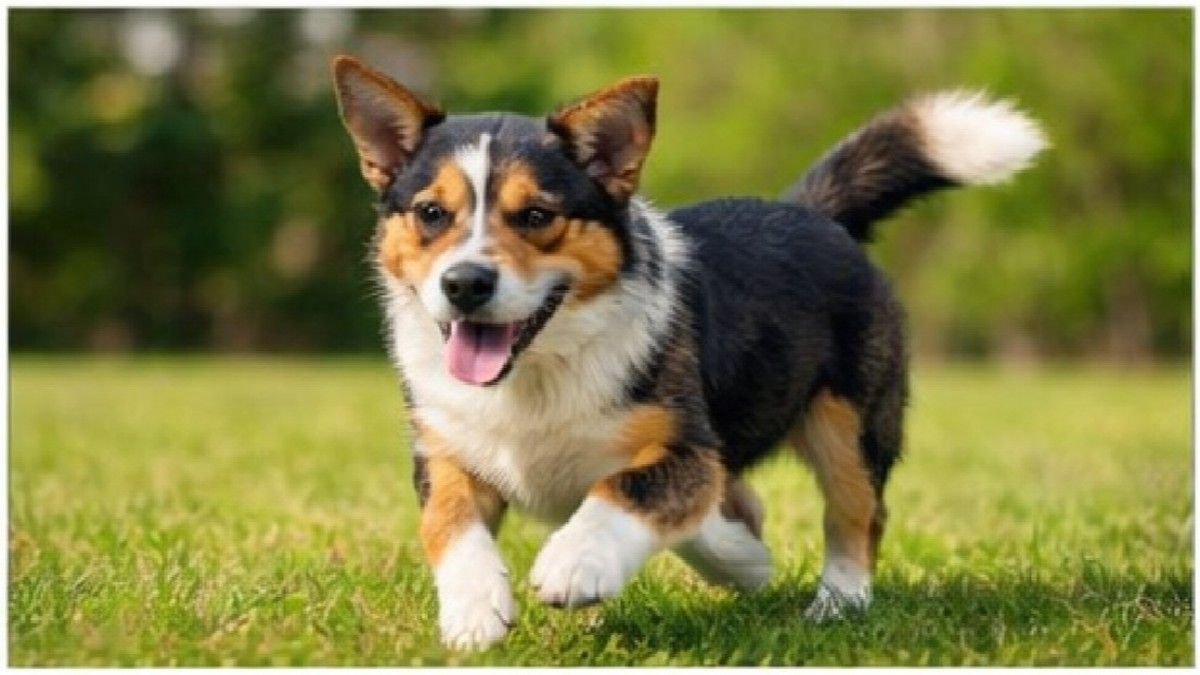
A well fed dog shows it.
-
Good energy
-
Shiny coat
-
Healthy weight
-
Normal digestion
You can feel ribs but not see them.
A Few Real Life Moments
A friend’s dog kept itching. They tried shampoos. Nothing worked. Turned out the food protein was the issue. Changed it slowly. Itching reduced in weeks.
Another dog refused meals. Everyone thought he was picky. The food was too heavy for his digestion. Switched to lighter protein. Appetite came back.
Dogs respond fast when food suits them.
Final Thoughts
Dog nutrition doesn’t need to be perfect. It needs to be thoughtful.
-
Pay attention
-
Adjust when needed
-
Don’t follow trends blindly
-
Don’t ignore small signs
A healthy diet builds a healthy life. More walks. More play. More tail wagging.
That’s really the goal.
Dog Nutrition: Real Talk About Feeding Your Dog the Right Way Read More »