
Cat Grooming. Lessons From Living With Cats
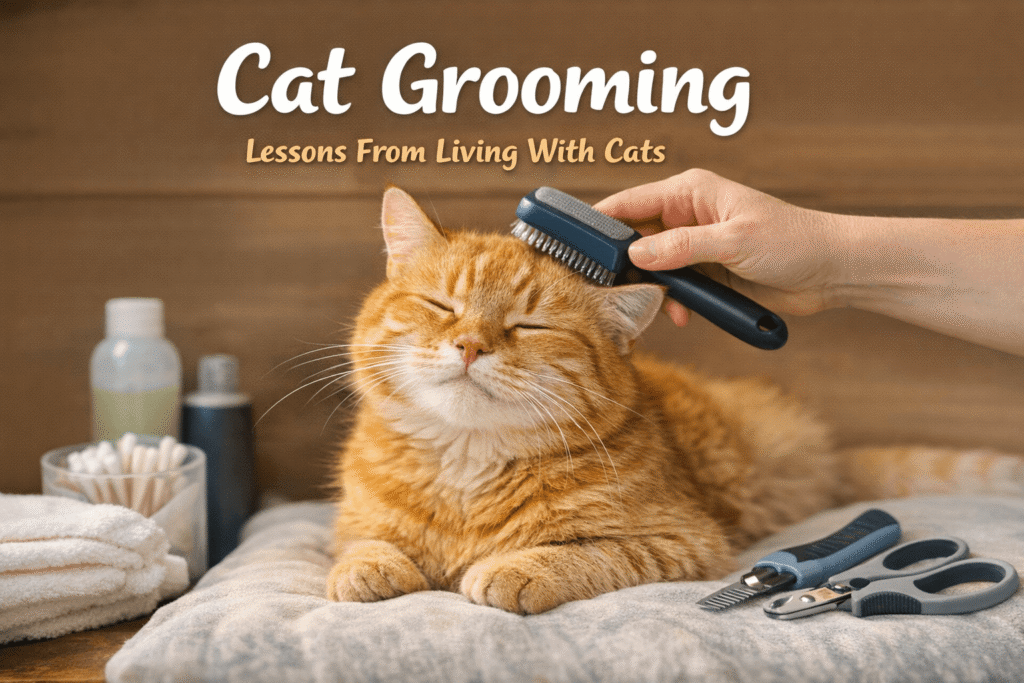
Cats clean themselves a lot. Or at least, they try to. When my first cat came home, I honestly didn’t think much about grooming. She licked herself constantly, and I thought, “Great, she’s fine.” But soon, fur started appearing everywhere—on the couch, my clothes, even my bed.
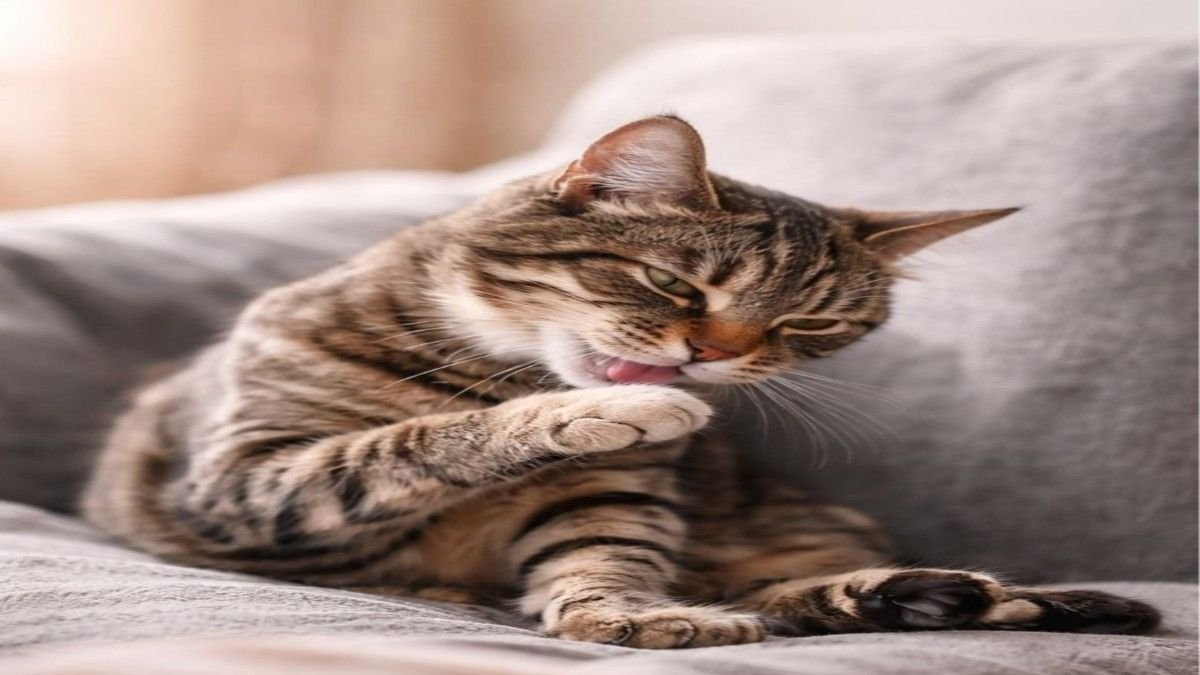
Hairballs were the next surprise. At first, I just laughed. “That’s normal,” I said. But then they kept happening. Too often. And I realized that grooming was something I had to take seriously.
Sometimes, while petting her, I felt a small lump under the fur on her neck. Barely visible, but pulling on her skin. She didn’t yowl or show pain—cats rarely do—but she wasn’t comfortable. That moment made me think: grooming isn’t just about looks; it’s about comfort and health.
Grooming also strengthens trust. A cat that tolerates grooming usually trusts you more. And honestly, that matters more than a shiny coat.
Why Grooming Matters
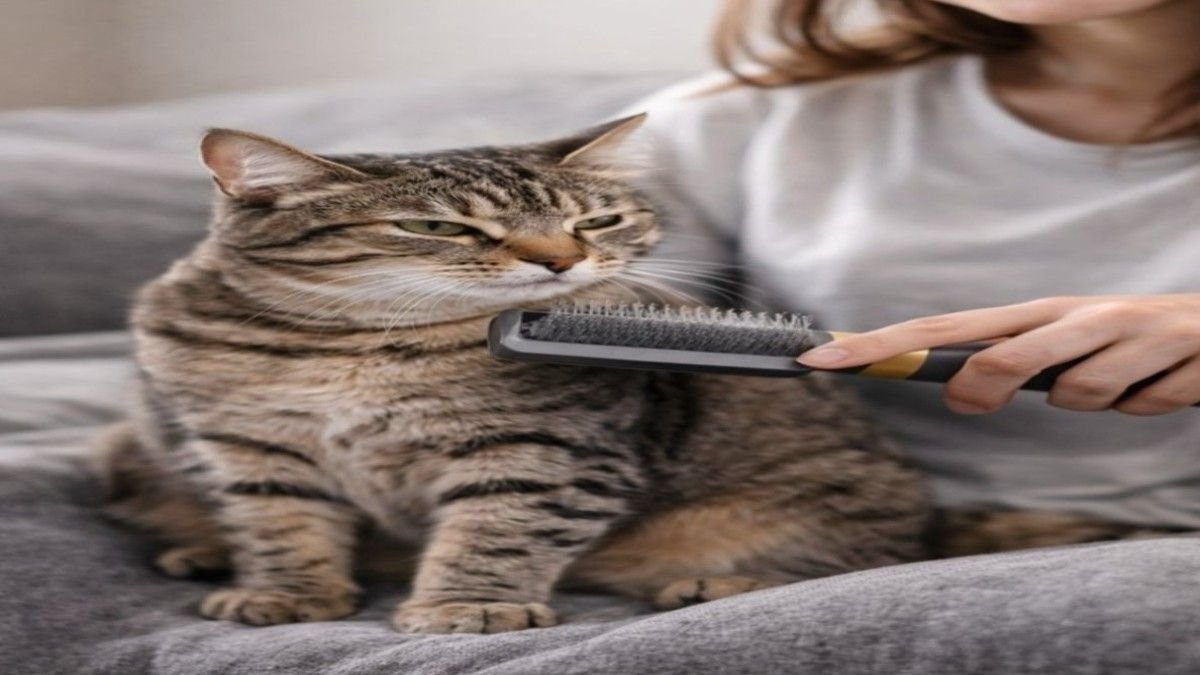
Even short haired cats benefit from brushing. Loose fur gets removed before it ends up swallowed. Hairballs become fewer. The coat looks soft, shiny, and healthy.
Long haired cats are trickier. Mats can form really fast. Belly, under legs, neck. These are problem areas. Mats pull on the skin and can even lead to infections if ignored.
Brushing gives a chance to notice things early. Nails, ears, eyes, lumps. Small issues are easy to catch when you brush regularly. It’s better than waiting until a problem grows.
Some cats even seem calmer after grooming. Maybe it’s the attention. Maybe it’s just feeling good. Either way, it’s worth it.
Timing Is Key
You can’t groom a cat whenever you feel like it. Trying to brush a playful or alert cat is almost impossible. Scratches happen, and nobody enjoys that.
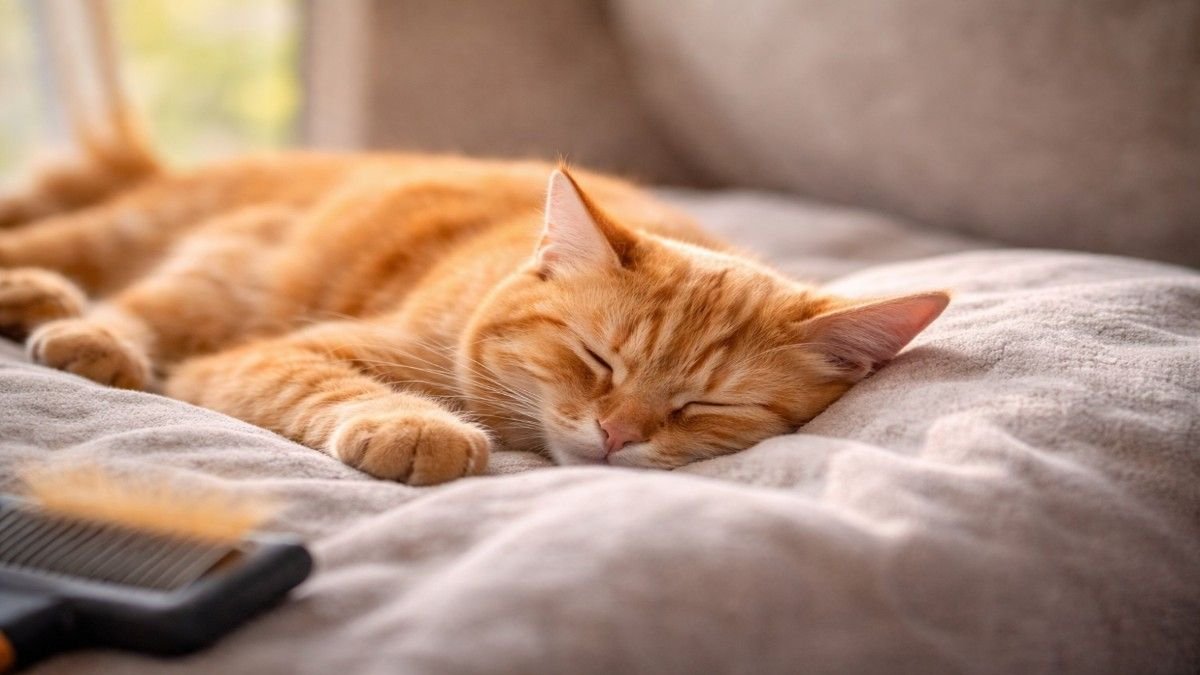
The best times. After meals, during naps, or when the cat is stretched in the sun. Calm cats tolerate brushing better.
Body language is everything. A flicking tail, ears flat back, sudden tension. That’s your cue to stop. Slow blinking, purring, relaxed posture. Safe to continue. Respect these signals. Trust grows this way.
Tools That Actually Work
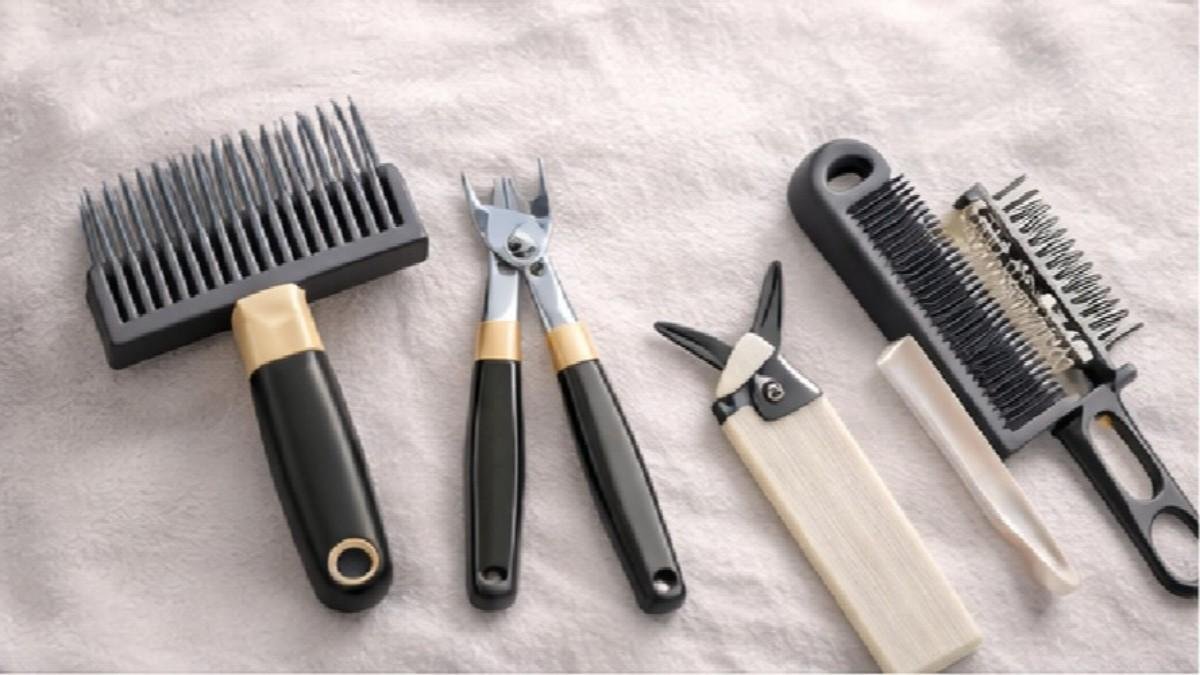
I wasted money on fancy brushes at first. Most didn’t make a difference.
Soft brushes are perfect for short haired cats. Long haired cats need a wide tooth comb for tangles. Flea combs help remove hair and dirt, not just fleas.
Cat specific nail clippers are essential. Human clippers. Too risky. Shampoo. Only if necessary, like after something sticky or dirty. Clean your tools. Dirty brushes can irritate the skin.
Brushing Without Stress
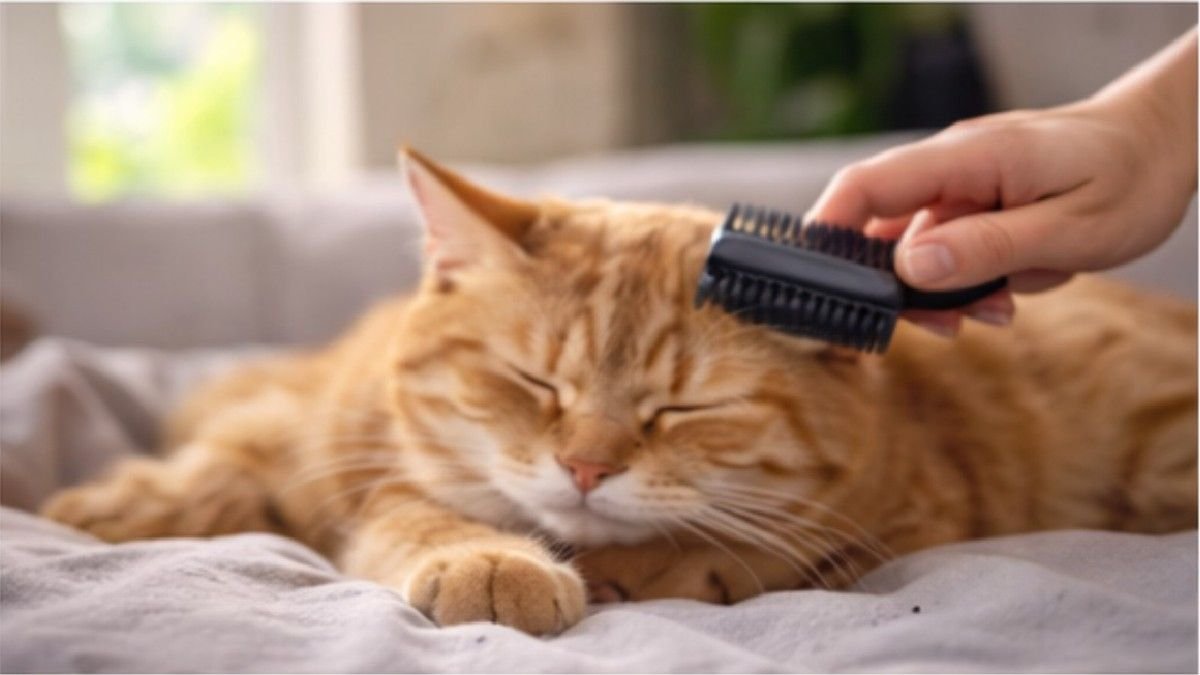
Start slowly. Let the cat sniff the brush. Gentle, short strokes work best. Long sessions early on. Bad idea.
Loose tangles with fingers before brushing. Never pull hard. Over time, brushing becomes pleasant for both of you.
Short sessions are fine. A minute or two is enough at first. Treats afterward work wonders. My cat used to tolerate 30 seconds. Now, she sometimes leans in herself. Patience is everything.
Mats and Tangles
Mats are a nightmare for long haired cats. Neck, belly, behind legs. Spots to check.
Ignoring small mats. Learned the hard way. Never use scissors near mats. Skin is too thin. Finger combing works, or a wide comb. Too tight. Go professional.
Ignoring mats leads to discomfort, irritation, even infections. Regular brushing prevents most of these issues.
Nail Care
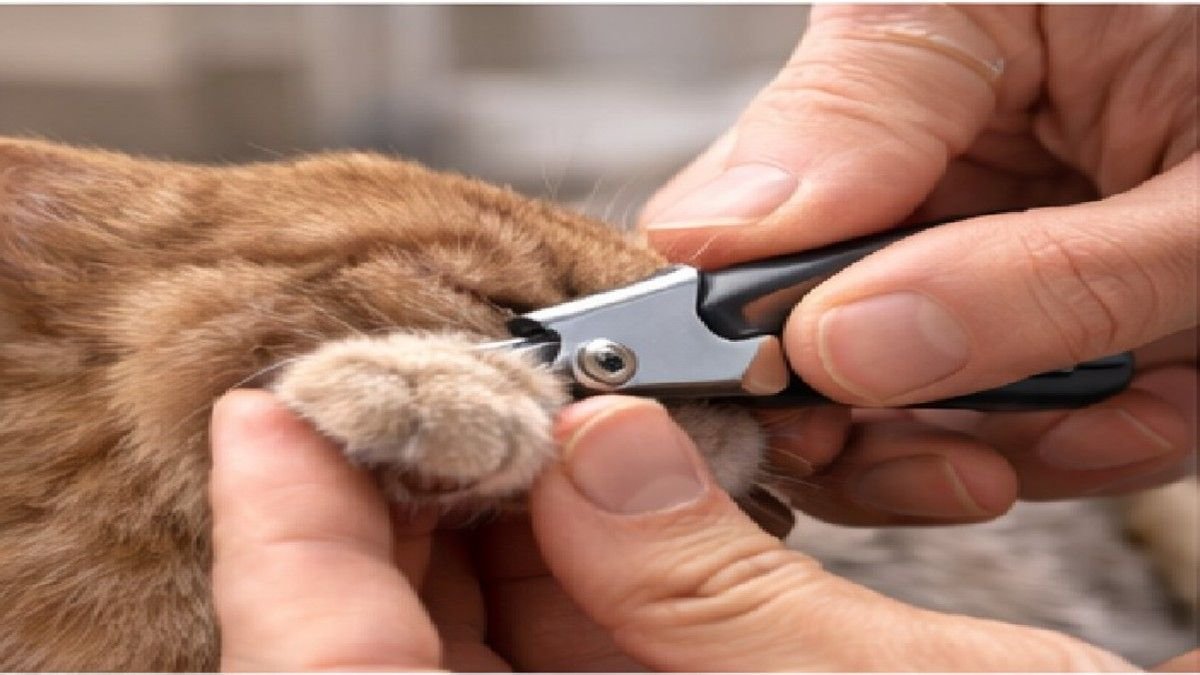
Trimming nails can be intimidating. Gentle handling, good lighting, and patience. Press the paw to extend the nail. Trim only the tip. Avoid the pink quick.
If your cat resists, do a few nails at a time. Reward afterward. Consistency matters more than doing all nails in one go.
Ears and Eyes
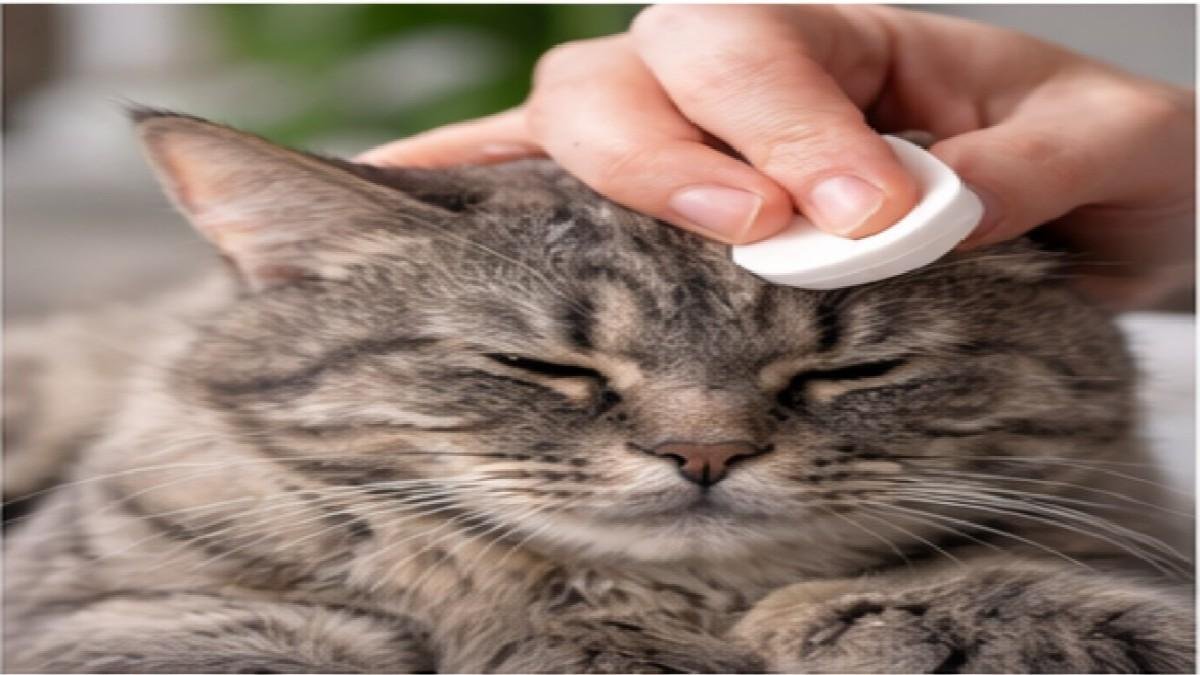
Healthy ears. Light pink, mostly clean. Small wax is fine. Strong smell or dark discharge. Vet time.
Eyes. Clear. Some discharge after sleep is normal. Thick or constant. Vet check. A damp cloth is enough. Avoid cotton swabs inside the ears.
Bathing Cats
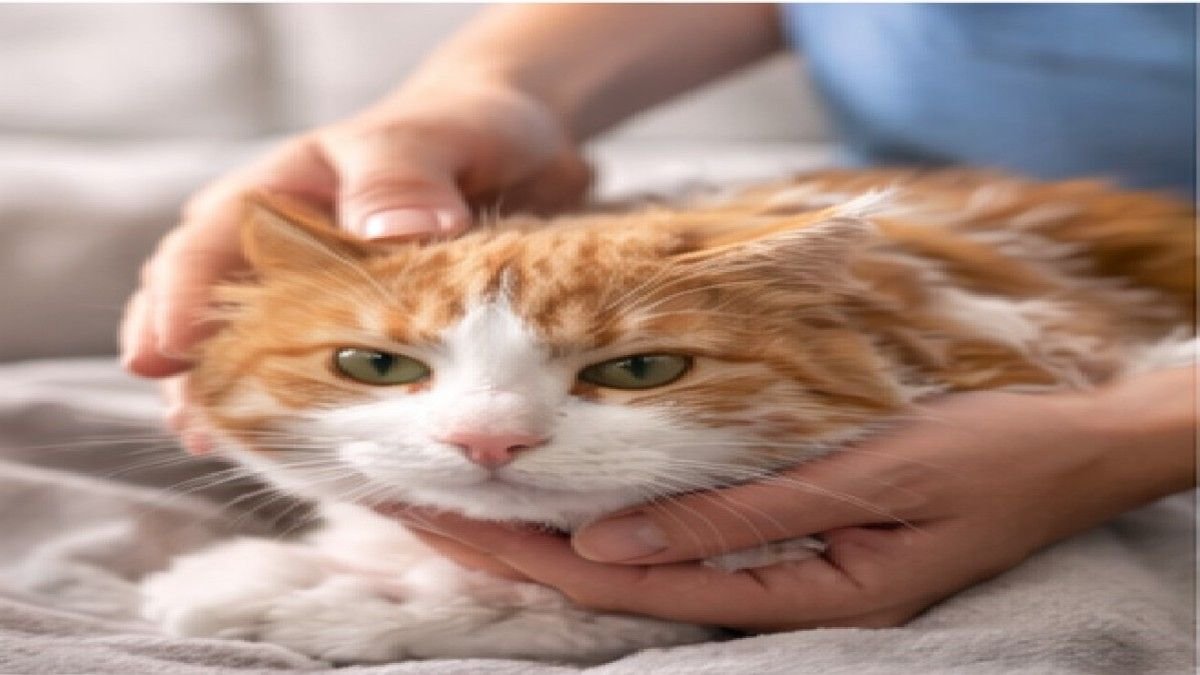
Most cats hate water. Baths should be rare. I’ve bathed my cat twice in years. Sticky or dirty situations.
Preparation matters. Warm water, cat shampoo, towels ready. Wet, shampoo, rinse, dry. If the cat panics, stop. Safety first. Some cats get used over time. Patience is key.
Senior Cats
Older cats groom less. Joint pain or low energy makes it harder to reach spots.
Gentle brushing keeps fur healthy and helps notice health changes. Weight loss, lumps, behavior shifts. Nail trimming becomes more important, too.
Short sessions are better. Older cats prefer calm attention.
Common Mistakes
Many owners assume cats don’t need grooming. Common mistakes.
• Forcing grooming
• Using human products
• Ignoring small mats
• Trimming nails too short
• Bathing unnecessarily
Patience and observation beat strict routines.
When to Seek Professional Help
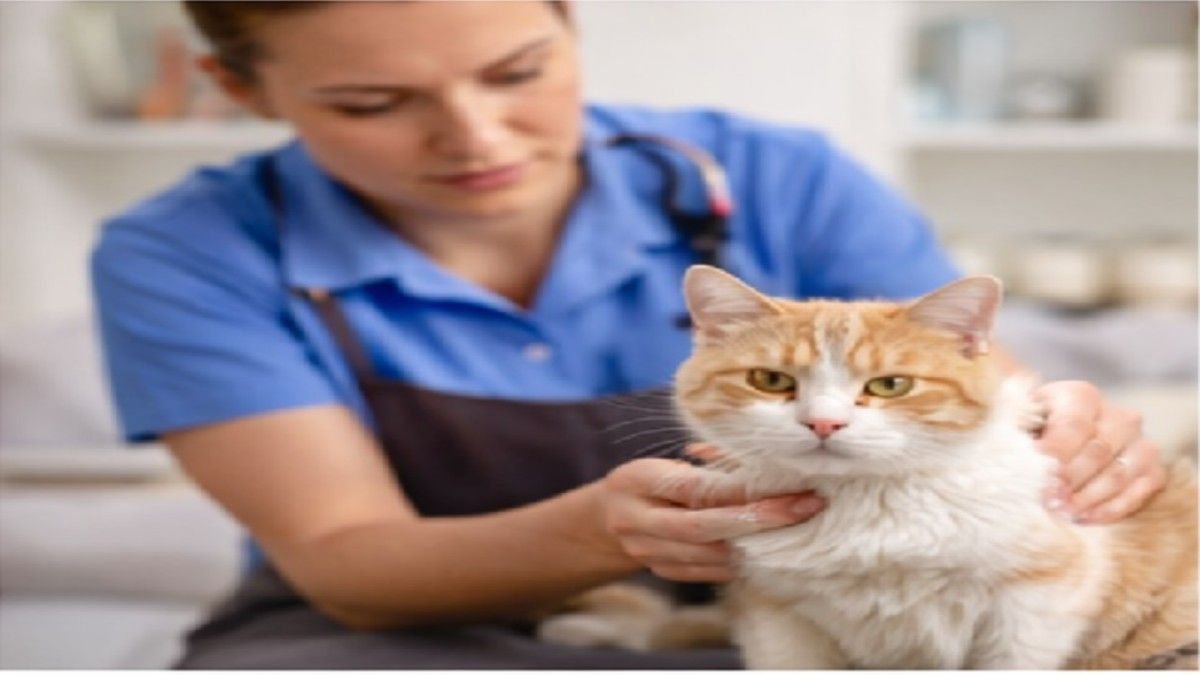
Severe mats, irritated skin, and aggressive behavior. Call a groomer or vet. Cats with medical conditions may also need help. Professional groomers know how to handle cats safely.
Final Thoughts
Grooming isn’t just looks. It’s comfort, health, and trust.
Short, consistent sessions matter more than long, perfect routines. Even five minutes daily helps.
Cats that tolerate grooming trust you. That trust is worth far more than a shiny coat.
Cat Grooming. Lessons From Living With Cats Read More »