Cat Breeds. A Detailed and Practical Guide for Real Cat Owners.

Cats live closely with humans, yet each cat behaves differently. Breed influences energy level, social behavior, grooming needs, and long term health. In the USA and Europe, many adoption failures happen because owners choose a cat based on looks, not lifestyle fit. Learning about cat breeds helps you avoid this mistake.
This guide explains cat breeds in a clear and experience based way. It focuses on daily life with cats, not theory.

How Cat Breeds Developed.
Cat breeds did not appear overnight. Most developed due to climate, geography, and human preference. Cold regions produced cats with thick coats. Busy ports led to strong hunting cats. Modern breeding later refined appearance and temperament.
This history matters. It explains why some cats love activity while others prefer calm spaces.
Understanding this helps you respect natural behavior instead of fighting it.
Short Haired Breeds and Daily Life.
Short haired cats dominate homes in Western countries. They shed less, groom easily, and adapt well to apartments.
American Shorthair.
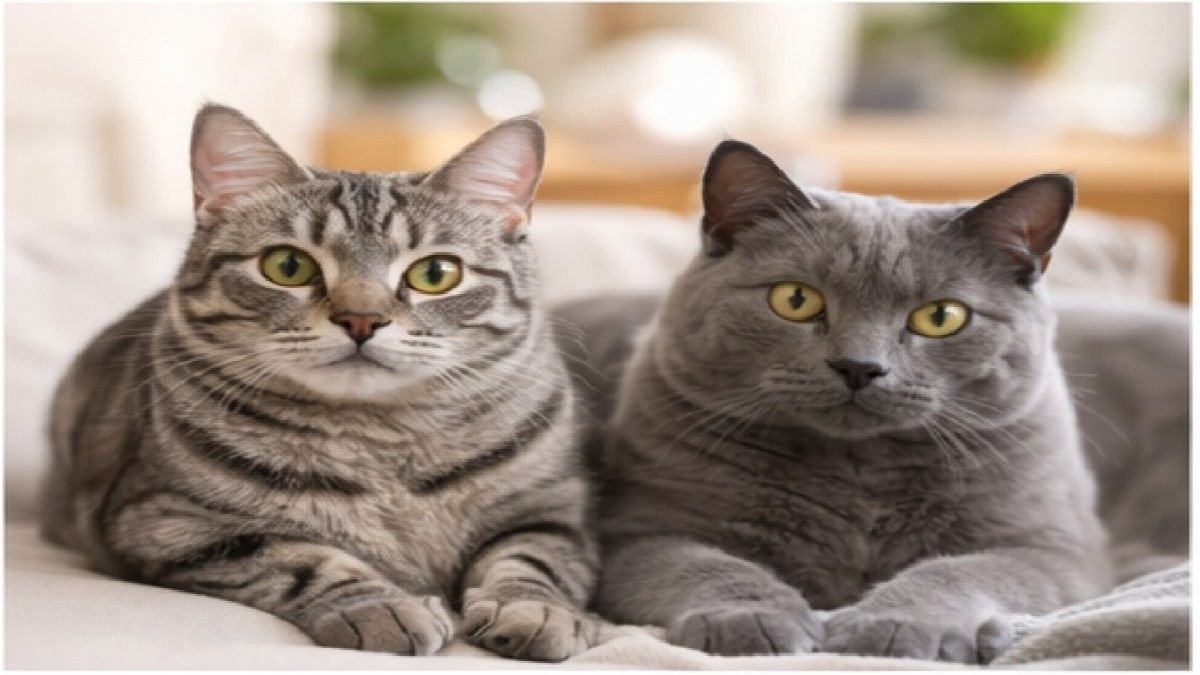
This breed evolved from working cats. They hunted rodents on ships and farms. Today, they remain balanced and adaptable.
They play when invited. They rest quietly when ignored. They rarely develop extreme behavior issues. Families with children often choose them for this reason.
Health tends to be stable. Weight control matters because they enjoy food.
British Shorthair.
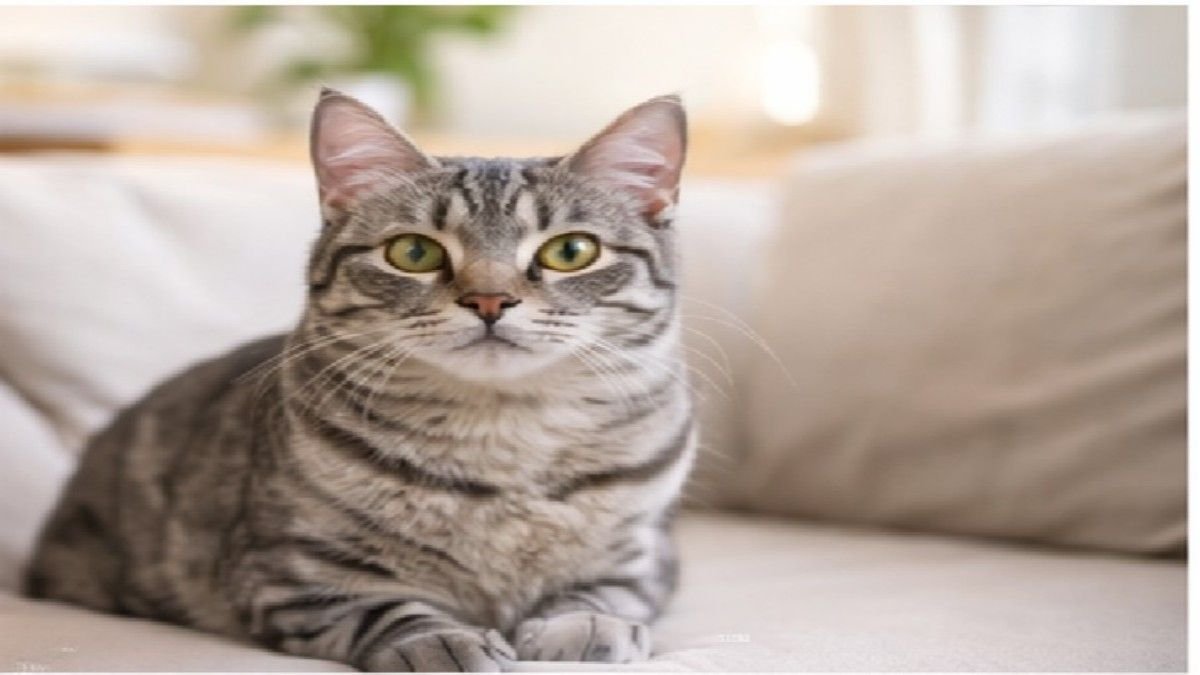
British Shorthairs value personal space. They enjoy sitting near you, not on you. This suits owners who work long hours.
Their thick coat feels plush but requires weekly brushing. Without portion control, they gain weight quickly.
They dislike chaos. Loud homes stress them. Calm routines keep them relaxed.
Siamese.
Siamese cats seek attention actively. They communicate with voice and body language. Silence often means something is wrong.
They bond deeply with one or two people. Left alone too long, they may develop anxiety behaviors like excessive vocalization.
They suit homes where interaction is daily and consistent.
Bengal.
Bengals carry strong hunting instincts. They climb high, jump far, and explore constantly.
Owners must provide vertical space. Shelves and tall cat trees reduce destructive behavior.
Bengals thrive on routine play sessions. Without them, boredom turns into trouble.
Long Haired Breeds and Commitment.
Long haired cats require time. Beauty comes with responsibility.
Persian.
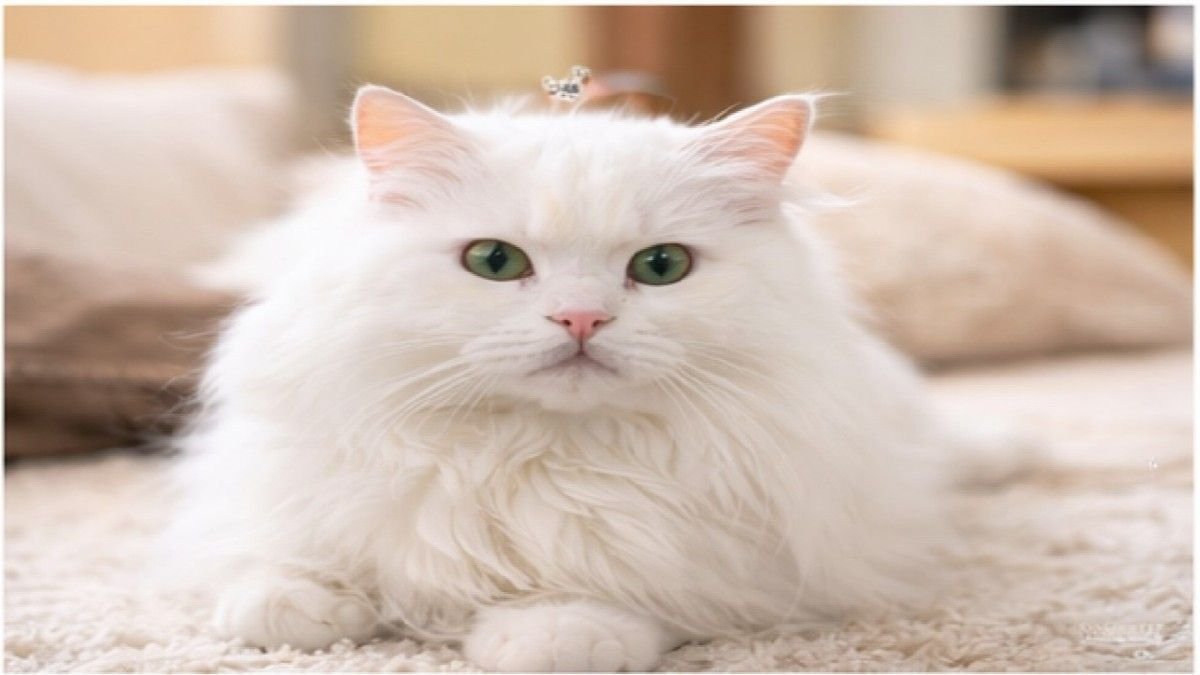
Persians prefer predictable environments. Sudden changes upset them.
Daily grooming prevents mats and skin infections. Eye care is part of routine due to facial structure.
They suit owners who enjoy slow, quiet companionship.
Maine Coon.
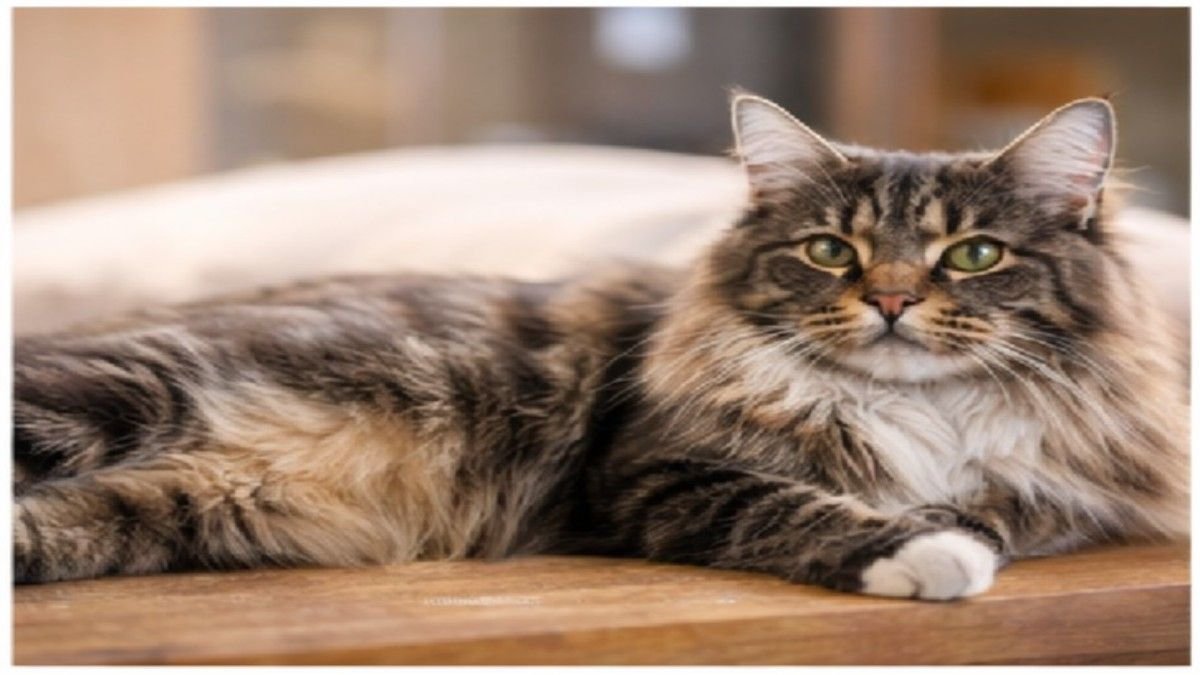
Maine Coons developed in cold climates. Their size reflects survival needs.
They remain playful into adulthood. Many enjoy water and interactive toys.
Despite long fur, coat texture resists matting. Brushing several times weekly works well.
They eat more than average cats. Nutrition quality matters to protect joints.
Ragdoll.
Ragdolls trust humans easily. They relax fully when handled.
They do not cope well with rough play or aggressive pets. Gentle households suit them best.
Indoor life keeps them safe. They lack strong survival instincts outdoors.
Unusual Coat and Structure Breeds.
Some breeds stand out due to appearance. Care needs change with looks.
Sphynx.
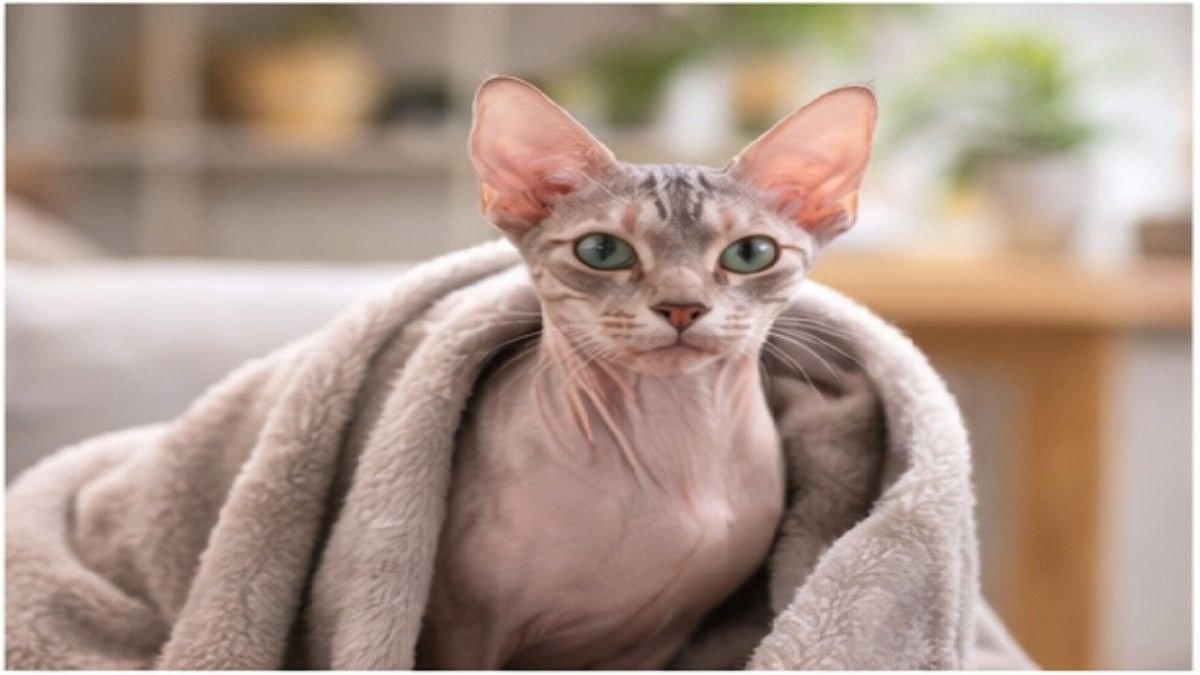
Lack of fur changes everything. Body oils stay on skin instead of fur.
Weekly bathing prevents odor and skin irritation. Ears collect wax quickly and need cleaning.
They seek warmth constantly. Expect them under blankets or on laps.
Scottish Fold.
Folded ears come from cartilage mutation. This affects joints too.
Ethical breeding reduces risk but does not remove it. Regular vet checks are essential.
They remain calm and adaptable when health is managed well.
Oriental Shorthair.
These cats live loudly and actively. Silence means boredom.
They require mental stimulation more than physical toys. Puzzle feeders and interaction work best.
They follow owners closely and dislike isolation.
Mixed Breed Cats and Real World Health.
Many cats have no breed label. This does not reduce value.
Domestic Shorthair.
These cats show wide personality range. Some act independent. Others act affectionate.
Genetic diversity often improves health resilience. Vet costs may remain lower long term.
They adapt well to indoor life and family changes.
Domestic Longhair.
Grooming habits must start early. Otherwise mats form quickly.
Temperament depends on early socialization, not coat length.
Adoption stories often reveal deep loyalty once trust builds.
Choosing a Breed That Fits You.
Before choosing a cat, evaluate your routine honestly.
Consider these factors.
Daily time available.
Noise tolerance.
Space size.
Grooming commitment.
Other pets or children.
High energy cats fail in low interaction homes. Quiet cats suffer in chaotic environments.
Matching lifestyle prevents surrender later.
Breed Related Health Patterns.
Some health issues appear more often in certain breeds.
Flat faced breeds may struggle with breathing.
Large breeds may face joint strain.
Purebred lines may carry inherited conditions.
Preventive care reduces risk. Annual checkups matter. Weight control matters more.
Indoor Living and Safety.
Indoor cats live longer on average in Western countries.
Outdoor risks include traffic, parasites, and disease.
Active breeds still thrive indoors with enrichment. Window perches and climbing spaces help.
Leash training offers safe outdoor exposure.
Nutrition Differences by Breed Type.
Breed does not change basic nutrition needs. Size and activity do.
Large cats need joint support.
Active cats need controlled calories.
Long haired cats benefit from hairball management.
Always choose complete food. Avoid random supplements.
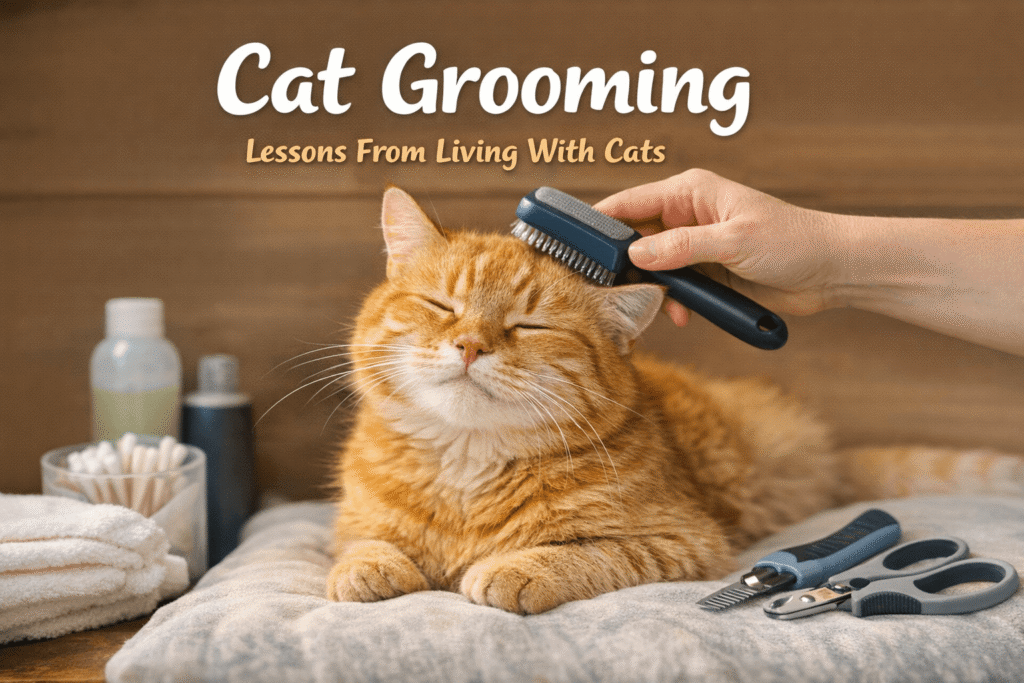
Grooming as Bonding.
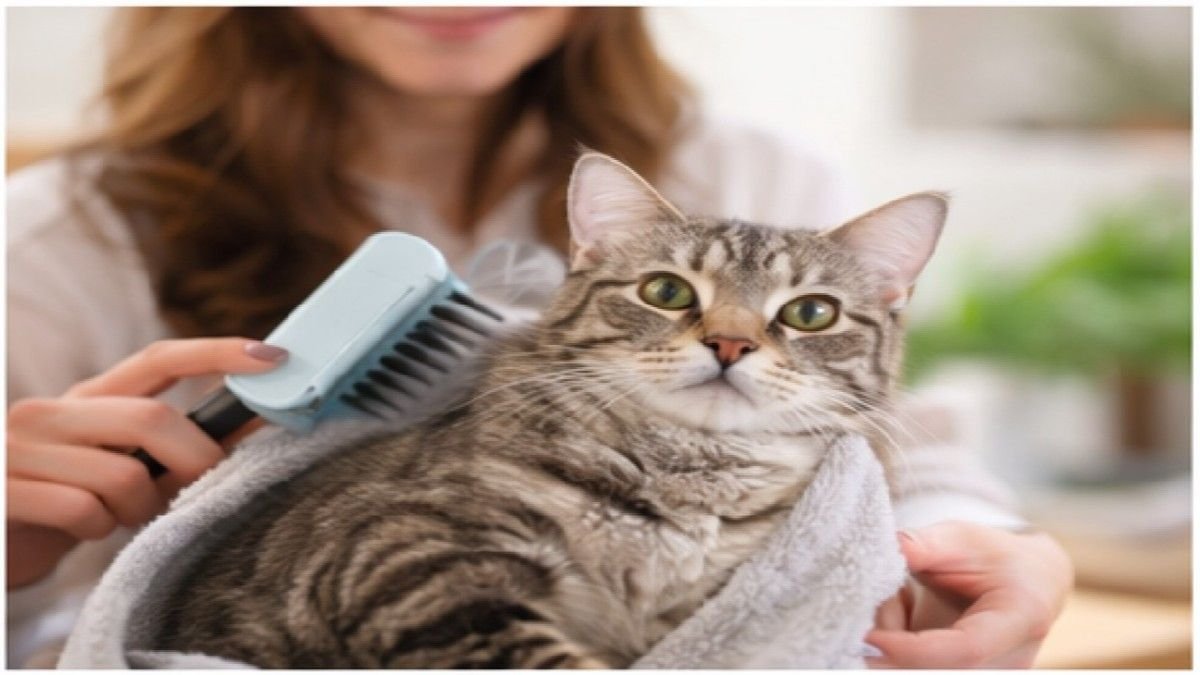
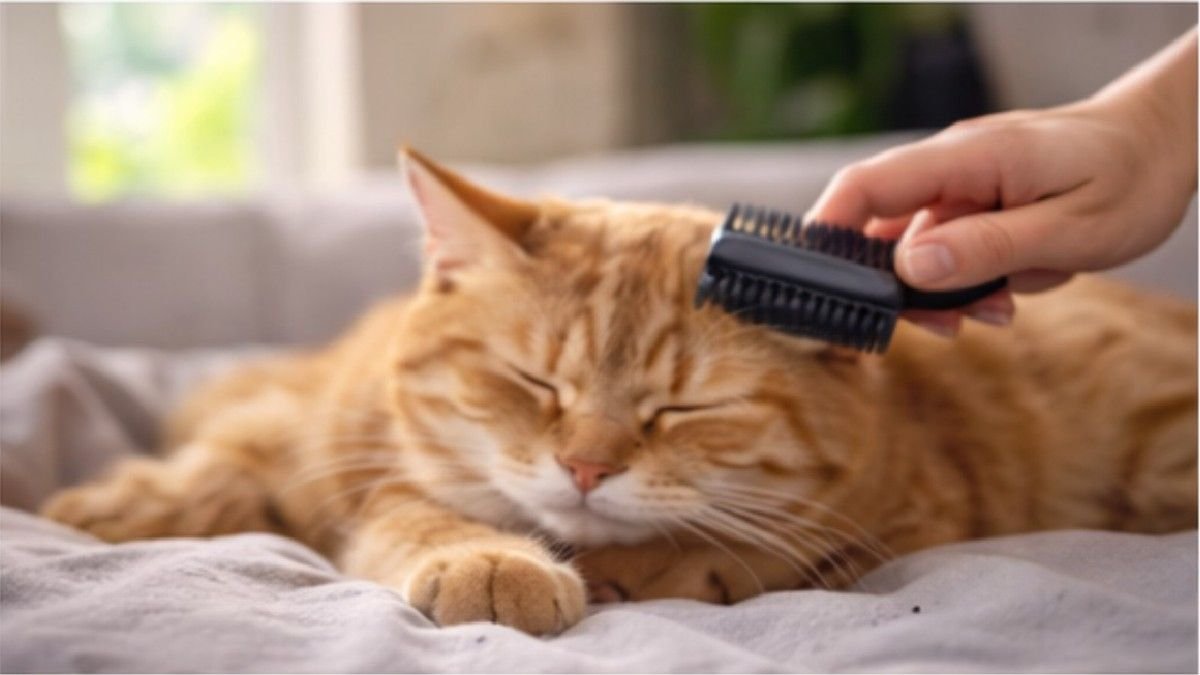
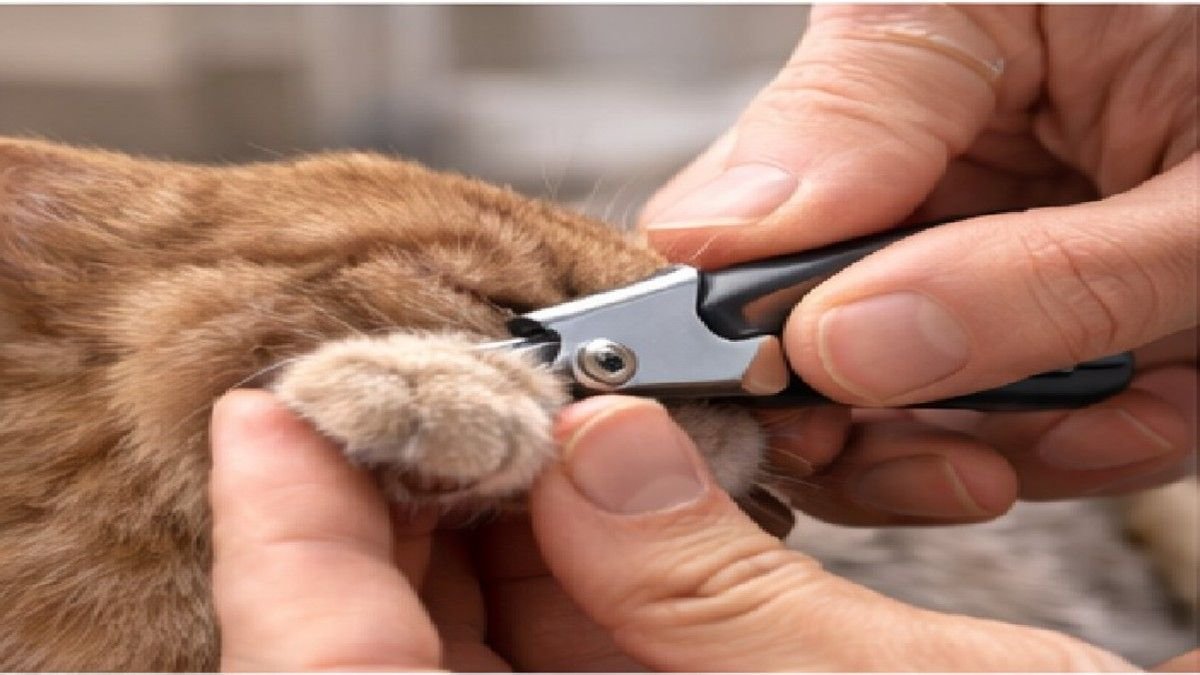
Grooming is not just maintenance. It builds trust.
Short coats need weekly brushing.
Long coats need frequent sessions.
Hairless cats need skin care.
Start slowly. Keep sessions positive.
Final Guidance for Owners.

Breed knowledge guides expectations. It does not replace observation.
Spend time with a cat before deciding. Watch reactions. Ask caregivers about behavior.
Adoption centers and responsible breeders share information openly.
When expectations match reality, cats settle faster. Care becomes easier. Bonds grow naturally over time.
A well chosen cat does not just live in your home. It becomes part of your routine, quietly and consistently.
Cat Breeds. A Detailed and Practical Guide for Real Cat Owners. Read More »