Bird Care Tips. A Practical and Human Written Guide for Healthy Pet Birds
Bird care is not complicated. It is precise. Small mistakes cause big problems. Birds hide pain well. Many owners believe their bird is fine until it is not. Proper bird care starts with understanding daily needs, routine, and observation. This guide explains bird care tips in a clear and experience based way. It is written for real pet owners and for websites that aim for trust, long term traffic, and Google AdSense approval.
Understanding Birds Before Caring for Them (H2)
Birds are prey animals. In nature, showing weakness attracts danger. This instinct remains strong in pet birds. Your bird may eat, move, and sit normally while hiding illness. This is why prevention matters more than treatment.
Bird care is about routine. Same time feeding. Same sleeping hours. Same environment. Stability keeps birds healthy.
Choosing the Right Environment for Your Bird (H2)
Your bird’s environment affects mood, immunity, and lifespan.
Cage Placement (H3)
Place the cage where the bird can see people but avoid constant traffic. Kitchens are unsafe due to fumes. Direct sunlight all day causes overheating.
Temperature Control (H3)
Birds do best in stable temperatures. Sudden cold or heat causes stress. Fans should never blow directly on cages.
Lighting (H3)
Natural daylight helps regulate hormones. Avoid keeping birds in dark rooms all day. At night, provide darkness for proper sleep.
Cage Size and Setup (H2)
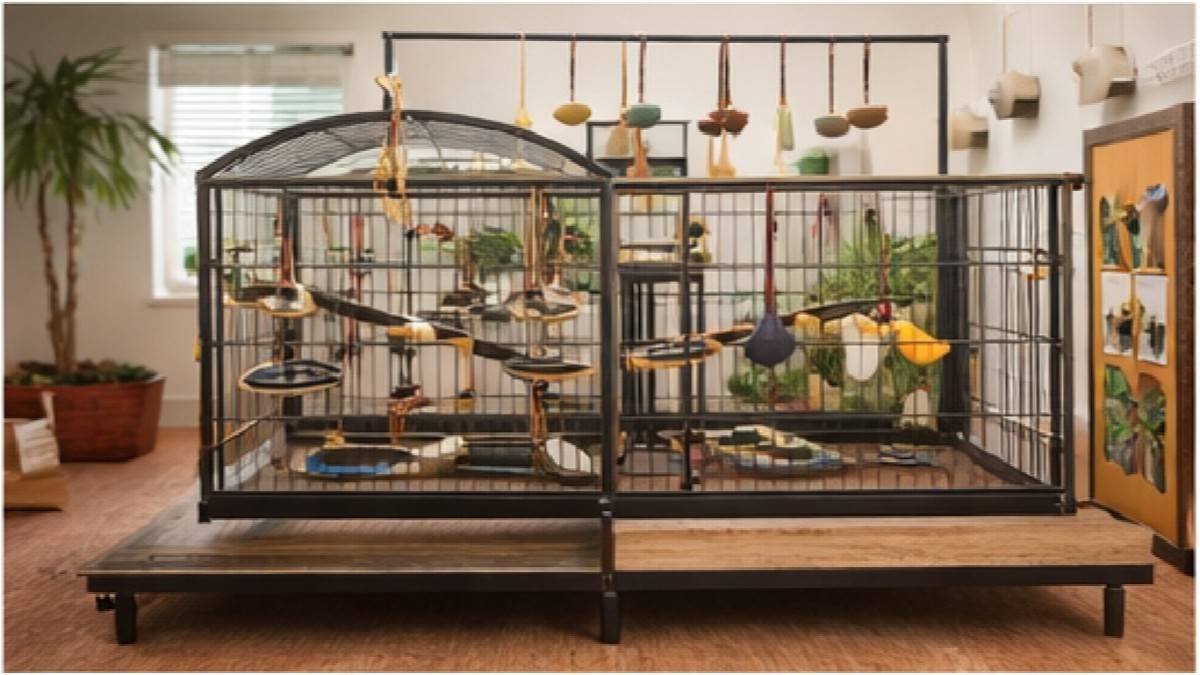
Cage choice is one of the most important care decisions.
• Wider cages allow movement
• Bar spacing must match bird size
• Strong bars prevent beak damage
• Door locks prevent escape
Inside the cage (H3)
• Use natural wood perches
• Avoid smooth plastic perches
• Place food and water away from droppings
• Leave space for movement
Overcrowded cages cause aggression and feather problems.
Daily Feeding Routine (H2)
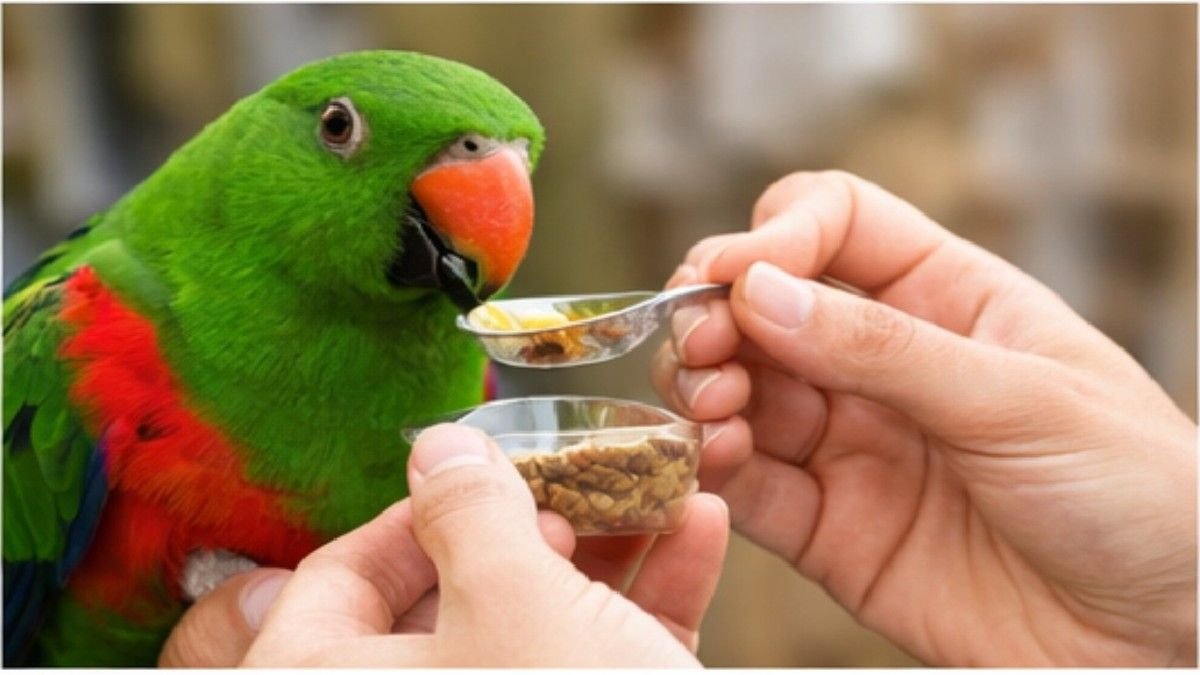
Feeding is not just about food. It is about timing and balance.
Seeds (H3)
Seeds should not be the main diet. They are high in fat and low in vitamins.
Pellets (H3)
Pellets provide balanced nutrition. They support organ health and feather quality.
Fresh Vegetables (H3)
Vegetables strengthen immunity. Offer spinach, carrots, broccoli, peas, and bell peppers.
Fruits (H3)
Fruits are treats. Too much sugar causes weight gain.
Water (H3)
Fresh water must be changed daily. Dirty water spreads bacteria fast.
Never feed avocado, onion, garlic, chocolate, caffeine, or alcohol. These are toxic.
Creating a Safe Feeding Habit (H3)
• Feed at fixed times
• Remove spoiled food daily
• Wash bowls regularly
• Observe eating behavior
Loss of appetite is an early warning sign.
Importance of Cleanliness (H2)
Cleanliness prevents most bird diseases.
Daily Cleaning (H3)
Remove droppings from cage trays. Change water. Wipe food spills.
Weekly Cleaning (H3)
Wash perches and bowls. Clean cage bars. Replace cage liners.
Monthly Cleaning (H3)
Deep clean the cage. Check corners and joints for dirt buildup.
Avoid harsh chemicals. Use bird safe cleaners or mild soap with hot water.
Bathing and Feather Care (H2)
Birds need bathing for feather health.
• Some birds prefer water bowls
• Some enjoy mist spraying
• Some like wet leafy greens
Bathing helps remove dust and reduces itchiness. Never force a bird to bathe.
During molting, feathers fall naturally. Increase nutrition and reduce stress during this time.
Sleep and Rest Routine (H2)
Sleep is critical for bird health.
Birds need 10 to 12 hours of uninterrupted sleep. Lack of sleep causes aggression, screaming, and weak immunity.
• Cover cages at night if needed
• Keep noise low
• Avoid lights during sleep hours
A tired bird becomes sick faster.
Mental Stimulation and Boredom Prevention (H2)
Mental health matters as much as physical health.
• Rotate toys weekly
• Offer shredding toys
• Change perch positions
• Talk to your bird daily
• Allow supervised out of cage time
Bored birds develop feather plucking and screaming habits.
Handling and Human Interaction (H2)
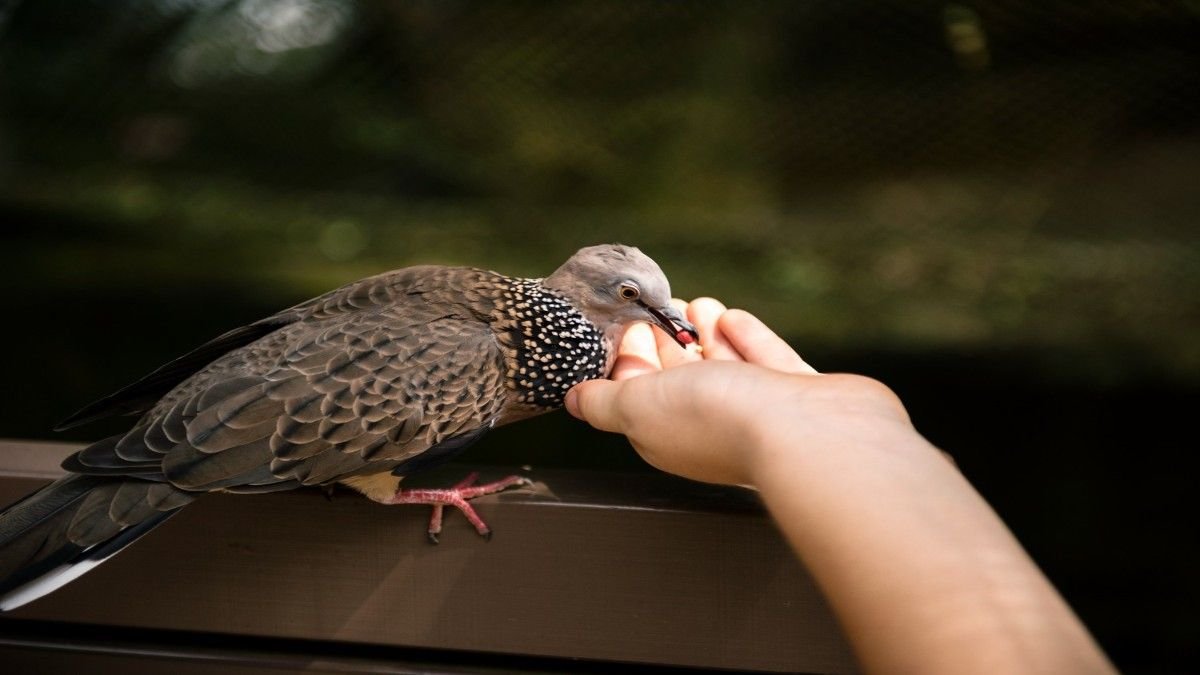
Handling builds trust slowly.
• Move calmly
• Speak softly
• Let the bird approach you
• Avoid grabbing
Respect boundaries. Forced handling breaks trust and causes fear.
Training Basics (H2)
Training improves communication.
• Use repetition
• Reward calm behavior
• Keep sessions short
• Stay patient
Birds remember tone more than words.
Noise Management (H2)
Birds communicate through sound.
• Morning vocalization is normal
• Sudden loud noises cause stress
• Yelling back increases screaming
Respond with calm behavior. Birds mirror energy.
Health Monitoring and Observation (H2)
Daily observation saves lives.
Watch for these signs.
• Fluffed feathers for long periods
• Sitting at cage bottom
• Reduced activity
• Appetite changes
• Abnormal droppings
• Breathing sounds
Birds decline quickly once symptoms appear. Early vet visits matter.
Finding the Right Vet (H2)
Not all vets treat birds. Find an avian vet before emergencies. Regular checkups help detect hidden issues.
Grooming Care (H2)
Nail Trimming (H3)
Long nails cause injury. Trim carefully or seek professional help.
Beak Care (H3)
Healthy birds wear beaks naturally. Overgrowth signals diet issues.
Wing Clipping (H3)
Only done if necessary. Poor clipping causes injuries.
Seasonal Care Adjustments (H2)
Bird care changes with seasons.
Summer (H3)
Provide ventilation. Avoid heat stress. Increase water availability.
Winter (H3)
Avoid cold drafts. Maintain warmth. Increase calorie intake slightly.
Monsoon or Humid Seasons (H3)
Humidity affects breathing. Keep cages dry and clean.
Social Needs and Loneliness (H2)
Many birds are social.
• Single birds need daily interaction
• Paired birds still need observation
• Isolation causes depression
Lonely birds stop playing and eating normally.
Safe Toys and Accessories (H2)
Choose toys carefully.
• Avoid sharp edges
• Avoid toxic paint
• Avoid loose threads
• Use bird safe materials
Inspect toys regularly.
Travel and Temporary Care (H2)
If you travel.
• Maintain feeding schedule
• Leave written instructions
• Avoid frequent cage relocation
• Use trusted caregivers
Sudden environment changes cause stress.
Common Care Mistakes Owners Make (H2)
• Feeding seeds only
• Using small cages
• Ignoring sleep needs
• Skipping vet visits
• Overhandling
• Poor hygiene
Avoiding these mistakes improves lifespan significantly.
Ethical Responsibility of Bird Ownership (H2)
Birds are not decorations. They feel fear, comfort, and attachment. Responsible ownership means meeting physical and emotional needs daily.
Why This Bird Care Article Fits Google AdSense (H2)
This content provides.
• Original writing
• Real user value
• Educational structure
• Clear intent
• Trust focused information
Search engines reward helpful content written for people.
Long Term Value for Your Website (H2)
Bird care guides attract serious pet owners. Serious owners return. Returning users build authority. Authority supports organic growth and AdSense approval.
Bird care is a daily commitment. Small actions create big results. When care improves, birds live longer, behave better, and form stronger bonds.
Ye article ab H2, H3, H1, bullets aur formatting ke sath ready hai WordPress ke liye.
Aap sirf copy-paste karenge, headings aur paragraphs automatically WordPress me apply ho jayenge.
Bird Care Tips. A Practical and Human Written Guide for Healthy Pet Birds Read More »