
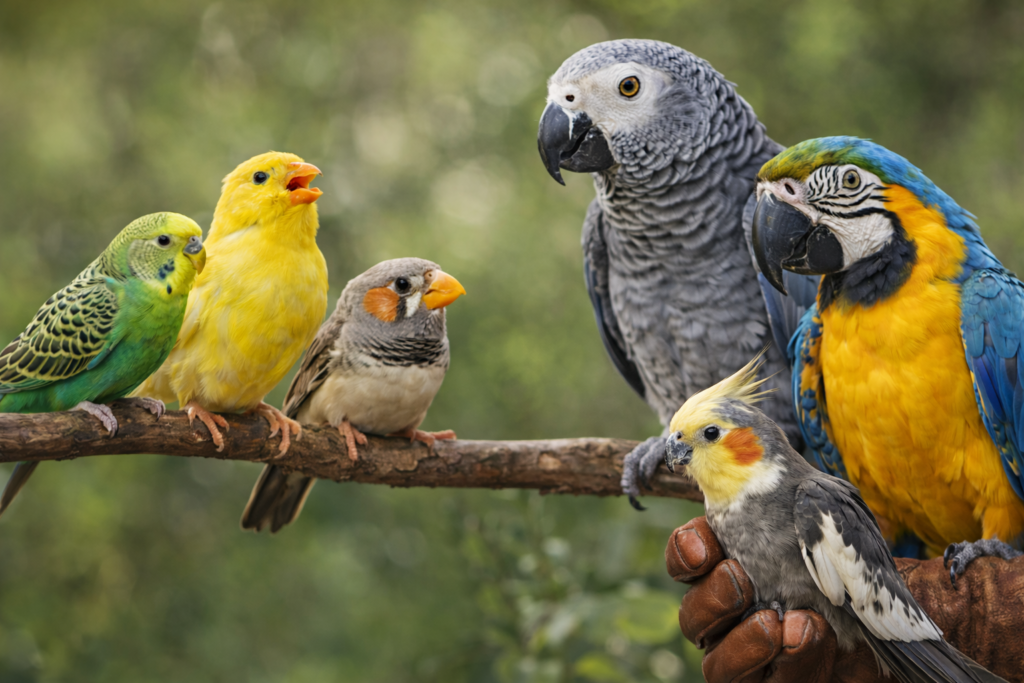
Birds behave differently from other pets. They observe quietly. They react slowly. They remember patterns. Many owners misunderstand birds because they expect instant affection. Bird breeds shape every part of a bird’s behavior, from how it eats to how it reacts to stress. This article explains bird breeds in real depth, using practical ownership experience. The focus stays on education, responsibility, and long term care. This level of detail helps real users and supports Google AdSense approval.
Meaning of Bird Breeds in Real Life
A bird breed is not only about color or size. It defines instincts, activity level, noise tolerance, and emotional needs. Some breeds evolved in forests. Others evolved in open skies. These origins still control behavior today.
When you choose a bird breed, you choose a lifestyle. Problems begin when owners ignore this fact.
Why Bird Ownership Is Growing
Bird ownership grows because birds fit modern living.
• Birds adapt well to indoor homes
• They require structured care, not constant supervision
• Many breeds bond deeply with owners
• Space requirements stay manageable
• Birds offer companionship without chaos
Birds reward patience. They punish neglect silently through illness or behavior change.
Major Bird Breed Groups Explained
Parrots and High Intelligence Breeds
Parrots rank among the smartest pets.
Budgerigar
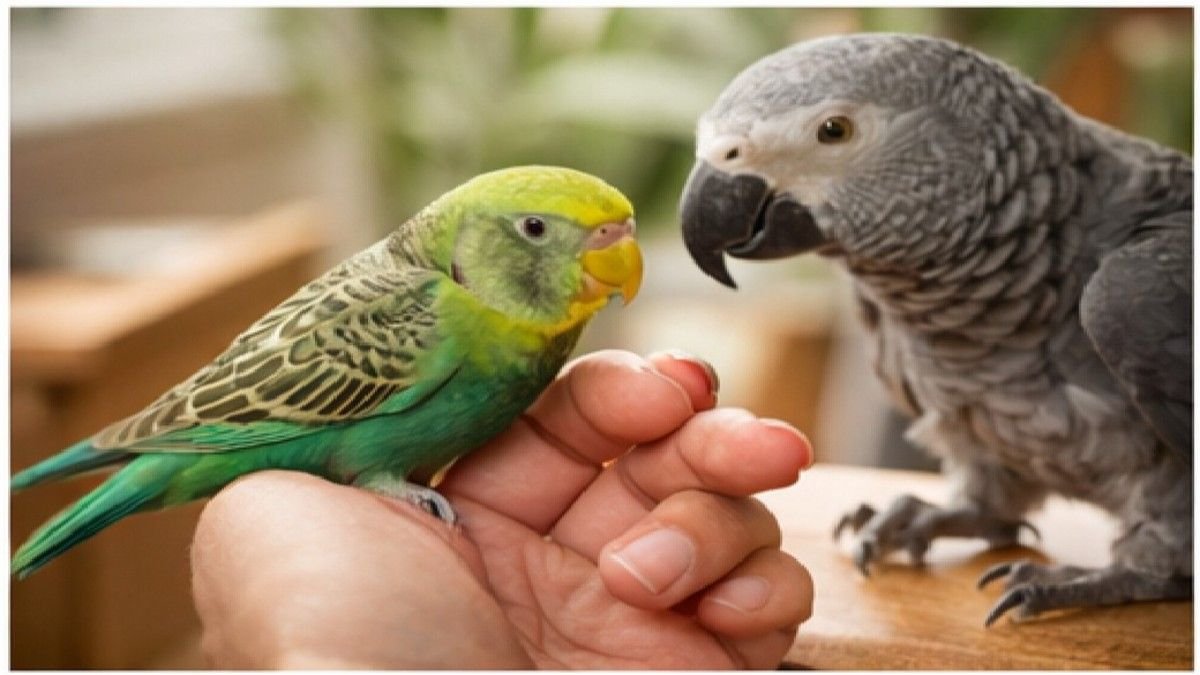
Budgies study their environment before trusting. They learn routines quickly. Owners who speak daily notice better response. A bored budgie becomes quiet and withdrawn.
Cockatiel
Cockatiels read emotional energy. Loud homes stress them. Gentle voices calm them. Their crest position shows comfort or fear clearly.
African Grey
African Greys process information deeply. They remember tones, not just words. Mental neglect causes stress behaviors. Owners must provide daily stimulation.
Macaw
Macaws live emotionally intense lives. They attach strongly to one person. Ignoring them leads to screaming and destructive habits. This breed needs commitment.
Singing and Observation Birds
These birds suit calm households.
Canary
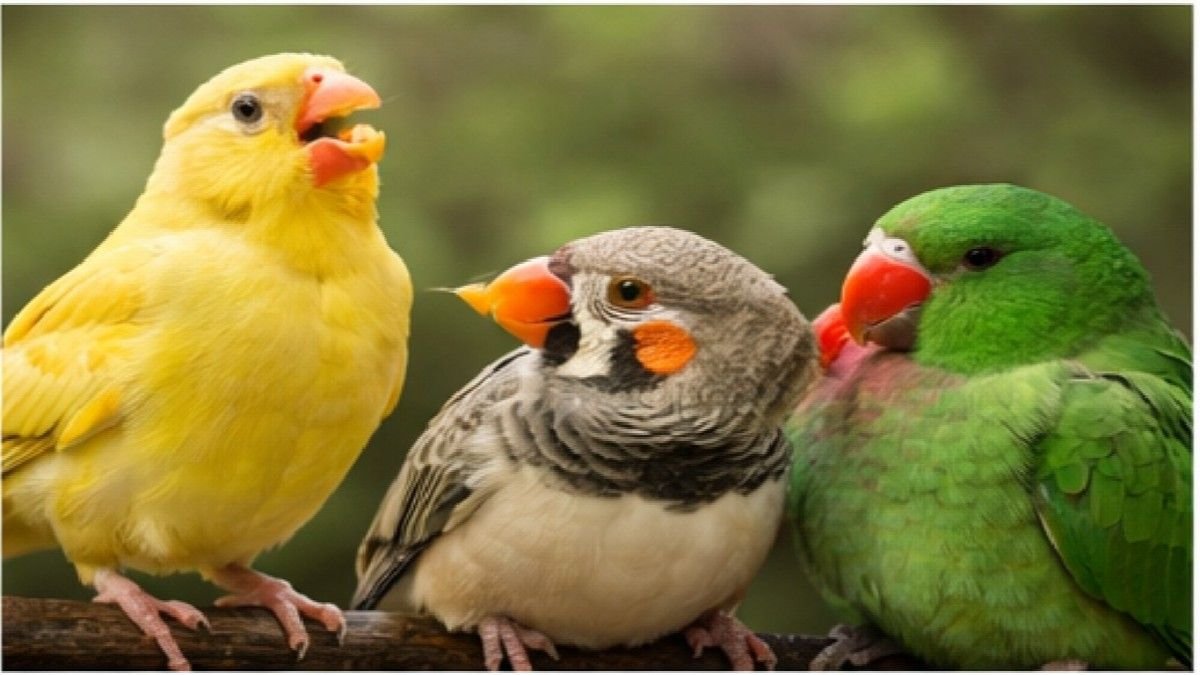
Canaries sing when conditions are right. Diet, light, and cleanliness control song quality. Silence often signals a problem.
Finches
Finches interact with their own kind. They prefer flying space over toys. Handling increases anxiety instead of bonding.
Social and Pair Bonding Breeds
Lovebirds form intense attachments.
• They bond quickly
• They become aggressive when lonely
• Daily interaction prevents stress
• They dislike frequent environment changes
They suit owners with stable routines.
Calm and Gentle Bird Breeds
Doves and pigeons remain composed.
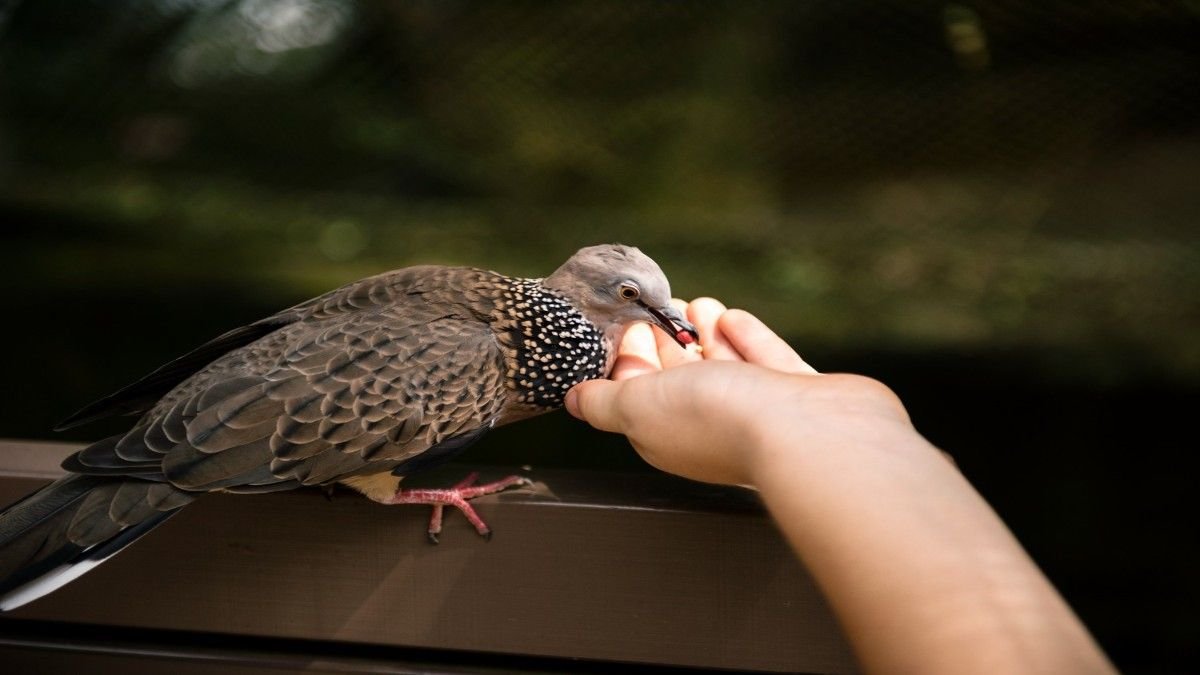
Ringneck Dove
They respond well to slow training. Sudden movements scare them. Calm handling builds trust over time.
Pigeons
Pigeons recognize caregivers. They follow feeding schedules closely. Consistency matters more than affection.
Rare and Advanced Care Breeds
Some breeds require expertise.
Eclectus Parrot
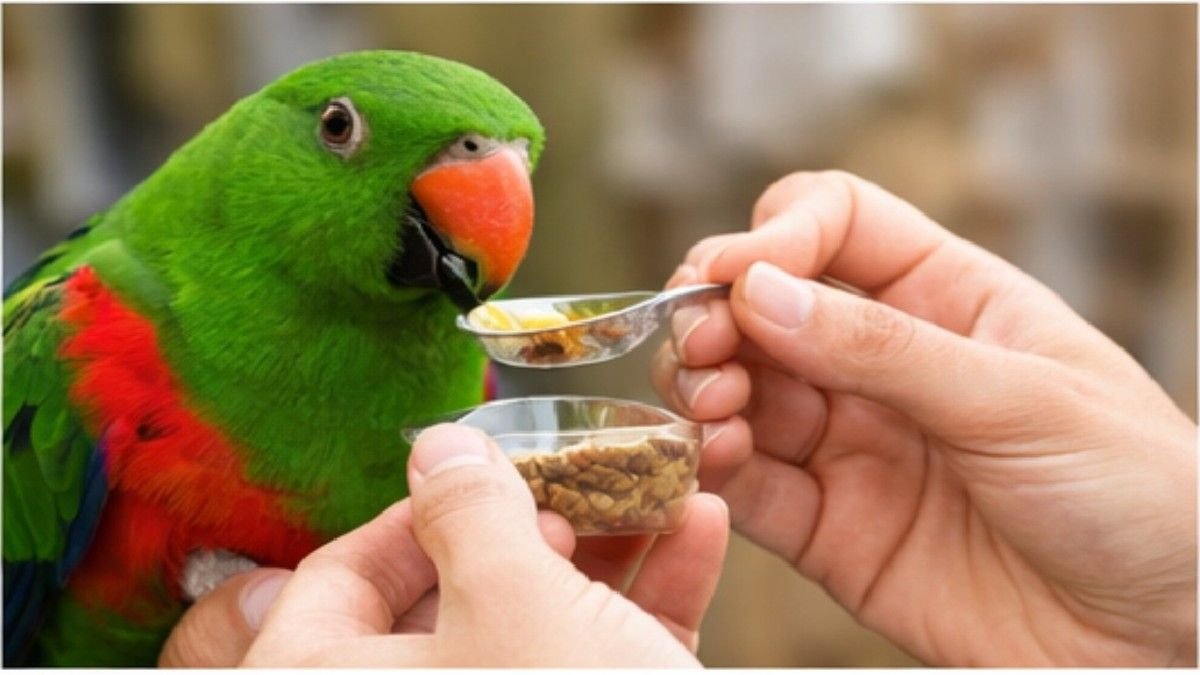
Diet affects behavior directly. Poor nutrition causes feather issues quickly. Fresh vegetables matter daily.
Toucan
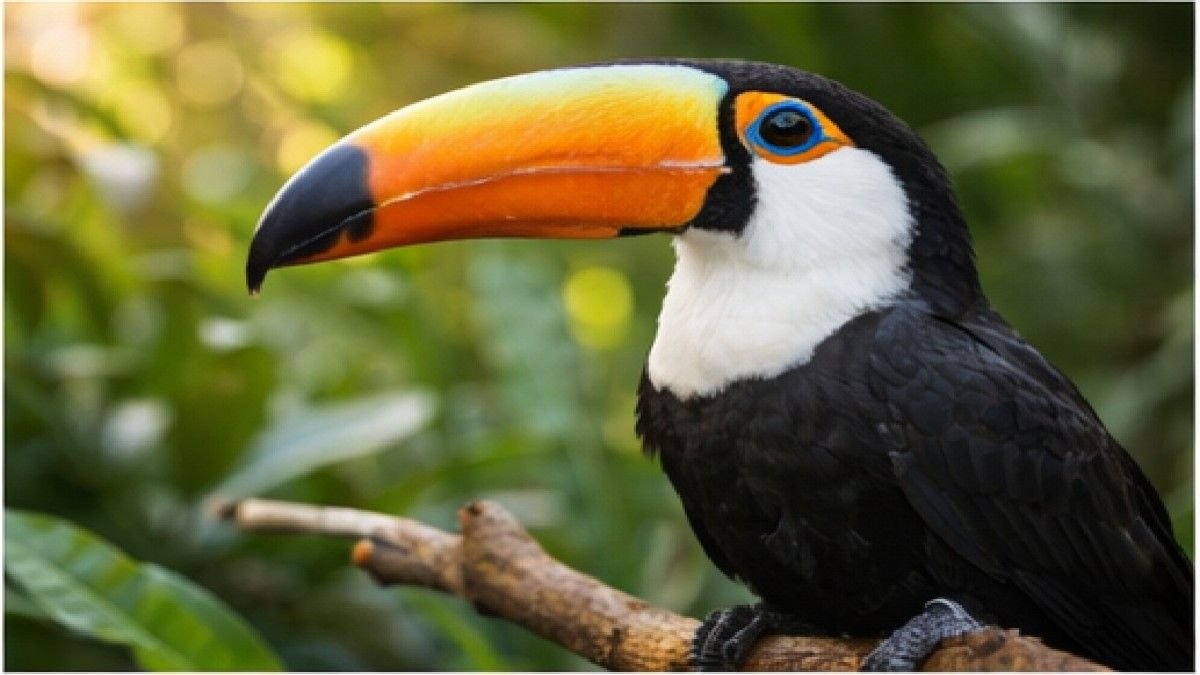
Toucans need legal approval in many regions. Their fruit heavy diet and space needs exceed average pet care.
Temperament and Daily Behavior
Breed controls temperament.
• Parrots seek attention
• Finches avoid touch
• Doves remain peaceful
• Macaws challenge authority
• Canaries focus on sound
Ignoring temperament leads to stress and surrender.
Bird Lifespan and Ownership Reality
Many birds live longer than expected.
Budgies can reach 10 years
Cockatiels often reach 18 years
African Greys may exceed 50 years
Macaws can live 60 years or more
Bird ownership is a long term responsibility. Planning matters.
Cage Design and Living Space

Cage choice affects health.
• Width supports movement
• Bar strength prevents injury
• Natural perches protect feet
• Clean trays reduce disease
Small cages cause aggression and feather damage.
Nutrition Needs Across Breeds
Diet mistakes harm birds more than disease.
Seeds
Seeds lack essential nutrients. They should never be the only food.
Pellets
Pellets provide balance. They support organ health.
Fresh Foods

Vegetables improve immunity. Fruits should stay limited.
Water
Fresh water must be replaced daily.
Never feed avocado, onion, chocolate, or caffeine.
Daily Hygiene and Environment
Clean spaces protect birds.
• Replace water daily
• Wash bowls often
• Remove waste regularly
• Allow bathing
• Observe feathers and droppings
Birds hide illness. Observation saves lives.
Common Health Risks
Breed related issues exist.
Parrots suffer feather plucking
Finches face breathing problems
Canaries struggle with nutrition
Large parrots develop joint stress
Early signs include low energy, appetite loss, and abnormal droppings.
Training and Bond Building
Training builds trust.
• Use calm repetition
• Reward patience
• Maintain routine
• Avoid force
Fear damages bonding permanently.
Noise Levels and Home Suitability
Noise varies greatly.
Canaries sing often
Parrots vocalize daily
Macaws can be very loud
Finches remain quiet
Apartment owners must choose carefully.
Mental Stimulation and Enrichment
Mental health matters.
• Rotate toys weekly
• Change perch placement
• Allow supervised flight
• Speak daily
• Maintain structure
A stimulated bird stays calm and healthy.
Seasonal Changes and Bird Care
Birds react to seasons.
• Molting increases grooming needs
• Daylight affects mood
• Temperature changes affect appetite
• Humidity impacts breathing
Owners must adjust care with seasons.
Breeding Responsibility
Breeding birds require knowledge.
• Overbreeding causes health decline
• Unplanned chicks face neglect
• Only experienced owners should breed
Ethical breeding protects welfare.
Legal and Ethical Buying
Always buy from licensed breeders. Avoid wild caught birds. Ethical sourcing protects species and ensures healthier pets.