Safdar Hussain Shah

Bird Care Tips. A Practical and Human Written Guide for Healthy Pet Birds

Bird care is not complicated. It is precise. Small mistakes cause big problems. Birds hide pain well. Many owners believe their bird is fine until it is not. Proper bird care starts with understanding daily needs, routine, and observation. This guide explains bird care tips in a clear and experience based way. It is written for real pet owners and for websites that aim for trust, long term traffic, and Google AdSense approval.


Understanding Birds Before Caring for Them (H2)

Birds are prey animals. In nature, showing weakness attracts danger. This instinct remains strong in pet birds. Your bird may eat, move, and sit normally while hiding illness. This is why prevention matters more than treatment.

Bird care is about routine. Same time feeding. Same sleeping hours. Same environment. Stability keeps birds healthy.


Choosing the Right Environment for Your Bird (H2)

Your bird’s environment affects mood, immunity, and lifespan.

Cage Placement (H3)
Place the cage where the bird can see people but avoid constant traffic. Kitchens are unsafe due to fumes. Direct sunlight all day causes overheating.

Temperature Control (H3)
Birds do best in stable temperatures. Sudden cold or heat causes stress. Fans should never blow directly on cages.

Lighting (H3)
Natural daylight helps regulate hormones. Avoid keeping birds in dark rooms all day. At night, provide darkness for proper sleep.


Cage Size and Setup (H2)

Cage choice is one of the most important care decisions.

• Wider cages allow movement
• Bar spacing must match bird size
• Strong bars prevent beak damage
• Door locks prevent escape

Inside the cage (H3)

• Use natural wood perches
• Avoid smooth plastic perches
• Place food and water away from droppings
• Leave space for movement

Overcrowded cages cause aggression and feather problems.


Daily Feeding Routine (H2)

Feeding is not just about food. It is about timing and balance.

Seeds (H3)
Seeds should not be the main diet. They are high in fat and low in vitamins.

Pellets (H3)
Pellets provide balanced nutrition. They support organ health and feather quality.

Fresh Vegetables (H3)
Vegetables strengthen immunity. Offer spinach, carrots, broccoli, peas, and bell peppers.

Fruits (H3)
Fruits are treats. Too much sugar causes weight gain.

Water (H3)
Fresh water must be changed daily. Dirty water spreads bacteria fast.

Never feed avocado, onion, garlic, chocolate, caffeine, or alcohol. These are toxic.

Creating a Safe Feeding Habit (H3)

• Feed at fixed times
• Remove spoiled food daily
• Wash bowls regularly
• Observe eating behavior

Loss of appetite is an early warning sign.


Importance of Cleanliness (H2)

Cleanliness prevents most bird diseases.

Daily Cleaning (H3)
Remove droppings from cage trays. Change water. Wipe food spills.

Weekly Cleaning (H3)
Wash perches and bowls. Clean cage bars. Replace cage liners.

Monthly Cleaning (H3)
Deep clean the cage. Check corners and joints for dirt buildup.

Avoid harsh chemicals. Use bird safe cleaners or mild soap with hot water.


Bathing and Feather Care (H2)

Birds need bathing for feather health.

• Some birds prefer water bowls
• Some enjoy mist spraying
• Some like wet leafy greens

Bathing helps remove dust and reduces itchiness. Never force a bird to bathe.

During molting, feathers fall naturally. Increase nutrition and reduce stress during this time.


Sleep and Rest Routine (H2)

Sleep is critical for bird health.

Birds need 10 to 12 hours of uninterrupted sleep. Lack of sleep causes aggression, screaming, and weak immunity.

• Cover cages at night if needed
• Keep noise low
• Avoid lights during sleep hours

A tired bird becomes sick faster.


Mental Stimulation and Boredom Prevention (H2)

Mental health matters as much as physical health.

• Rotate toys weekly
• Offer shredding toys
• Change perch positions
• Talk to your bird daily
• Allow supervised out of cage time

Bored birds develop feather plucking and screaming habits.


Handling and Human Interaction (H2)

Handling builds trust slowly.

• Move calmly
• Speak softly
• Let the bird approach you
• Avoid grabbing

Respect boundaries. Forced handling breaks trust and causes fear.


Training Basics (H2)

Training improves communication.

• Use repetition
• Reward calm behavior
• Keep sessions short
• Stay patient

Birds remember tone more than words.


Noise Management (H2)

Birds communicate through sound.

• Morning vocalization is normal
• Sudden loud noises cause stress
• Yelling back increases screaming

Respond with calm behavior. Birds mirror energy.


Health Monitoring and Observation (H2)

Daily observation saves lives.

Watch for these signs.

• Fluffed feathers for long periods
• Sitting at cage bottom
• Reduced activity
• Appetite changes
• Abnormal droppings
• Breathing sounds

Birds decline quickly once symptoms appear. Early vet visits matter.


Finding the Right Vet (H2)

Not all vets treat birds. Find an avian vet before emergencies. Regular checkups help detect hidden issues.


Grooming Care (H2)

Nail Trimming (H3)
Long nails cause injury. Trim carefully or seek professional help.

Beak Care (H3)
Healthy birds wear beaks naturally. Overgrowth signals diet issues.

Wing Clipping (H3)
Only done if necessary. Poor clipping causes injuries.


Seasonal Care Adjustments (H2)

Bird care changes with seasons.

Summer (H3)
Provide ventilation. Avoid heat stress. Increase water availability.

Winter (H3)
Avoid cold drafts. Maintain warmth. Increase calorie intake slightly.

Monsoon or Humid Seasons (H3)
Humidity affects breathing. Keep cages dry and clean.


Social Needs and Loneliness (H2)

Many birds are social.

• Single birds need daily interaction
• Paired birds still need observation
• Isolation causes depression

Lonely birds stop playing and eating normally.


Safe Toys and Accessories (H2)

Choose toys carefully.

• Avoid sharp edges
• Avoid toxic paint
• Avoid loose threads
• Use bird safe materials

Inspect toys regularly.


Travel and Temporary Care (H2)

If you travel.

• Maintain feeding schedule
• Leave written instructions
• Avoid frequent cage relocation
• Use trusted caregivers

Sudden environment changes cause stress.


Common Care Mistakes Owners Make (H2)

• Feeding seeds only
• Using small cages
• Ignoring sleep needs
• Skipping vet visits
• Overhandling
• Poor hygiene

Avoiding these mistakes improves lifespan significantly.


Ethical Responsibility of Bird Ownership (H2)

Birds are not decorations. They feel fear, comfort, and attachment. Responsible ownership means meeting physical and emotional needs daily.


Why This Bird Care Article Fits Google AdSense (H2)

This content provides.

• Original writing
• Real user value
• Educational structure
• Clear intent
• Trust focused information

Search engines reward helpful content written for people.


Long Term Value for Your Website (H2)

Bird care guides attract serious pet owners. Serious owners return. Returning users build authority. Authority supports organic growth and AdSense approval.

Bird care is a daily commitment. Small actions create big results. When care improves, birds live longer, behave better, and form stronger bonds.


Ye article ab H2, H3, H1, bullets aur formatting ke sath ready hai WordPress ke liye.

Aap sirf copy-paste karenge, headings aur paragraphs automatically WordPress me apply ho jayenge.

Bird Care Tips. A Practical and Human Written Guide for Healthy Pet Birds Read More »
Bird Breeds. An In Depth Human Written Guide for Serious Pet Owners

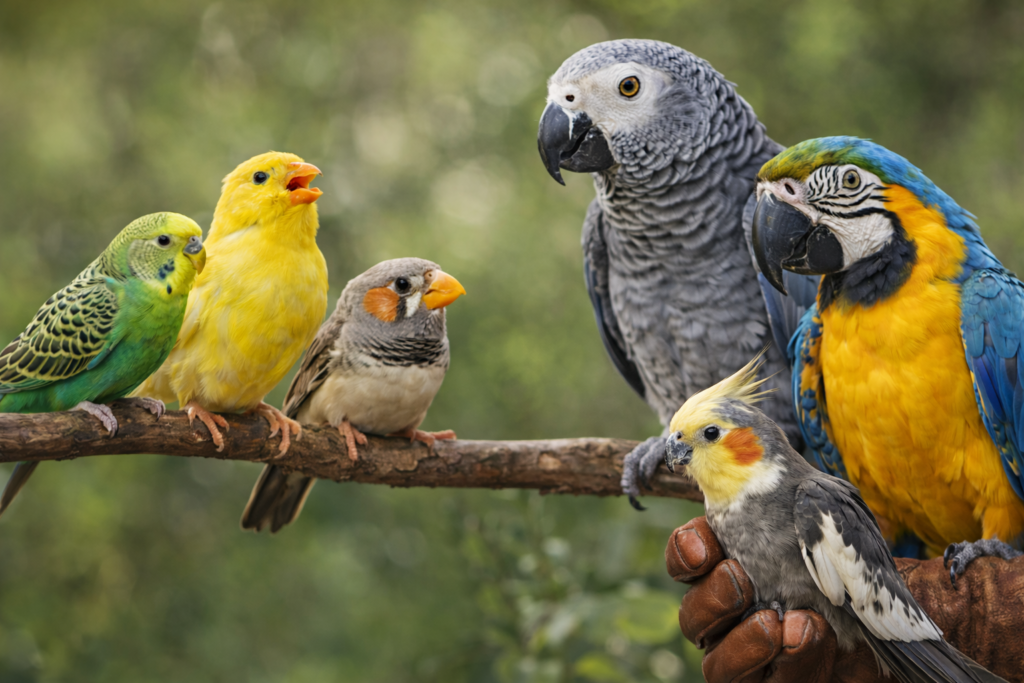
A variety of popular pet bird breeds including a Blue-and-Yellow Macaw, African Grey Parrot, Cockatiel, and Canary perched on branches in a natural, soft green background

Birds behave differently from other pets. They observe quietly. They react slowly. They remember patterns. Many owners misunderstand birds because they expect instant affection. Bird breeds shape every part of a bird’s behavior, from how it eats to how it reacts to stress. This article explains bird breeds in real depth, using practical ownership experience. The focus stays on education, responsibility, and long term care. This level of detail helps real users and supports Google AdSense approval.

Meaning of Bird Breeds in Real Life

A bird breed is not only about color or size. It defines instincts, activity level, noise tolerance, and emotional needs. Some breeds evolved in forests. Others evolved in open skies. These origins still control behavior today.
When you choose a bird breed, you choose a lifestyle. Problems begin when owners ignore this fact.

Why Bird Ownership Is Growing

Bird ownership grows because birds fit modern living.

• Birds adapt well to indoor homes
• They require structured care, not constant supervision
• Many breeds bond deeply with owners
• Space requirements stay manageable
• Birds offer companionship without chaos

Birds reward patience. They punish neglect silently through illness or behavior change.

Major Bird Breed Groups Explained

Parrots and High Intelligence Breeds

Parrots rank among the smartest pets.

Budgerigar

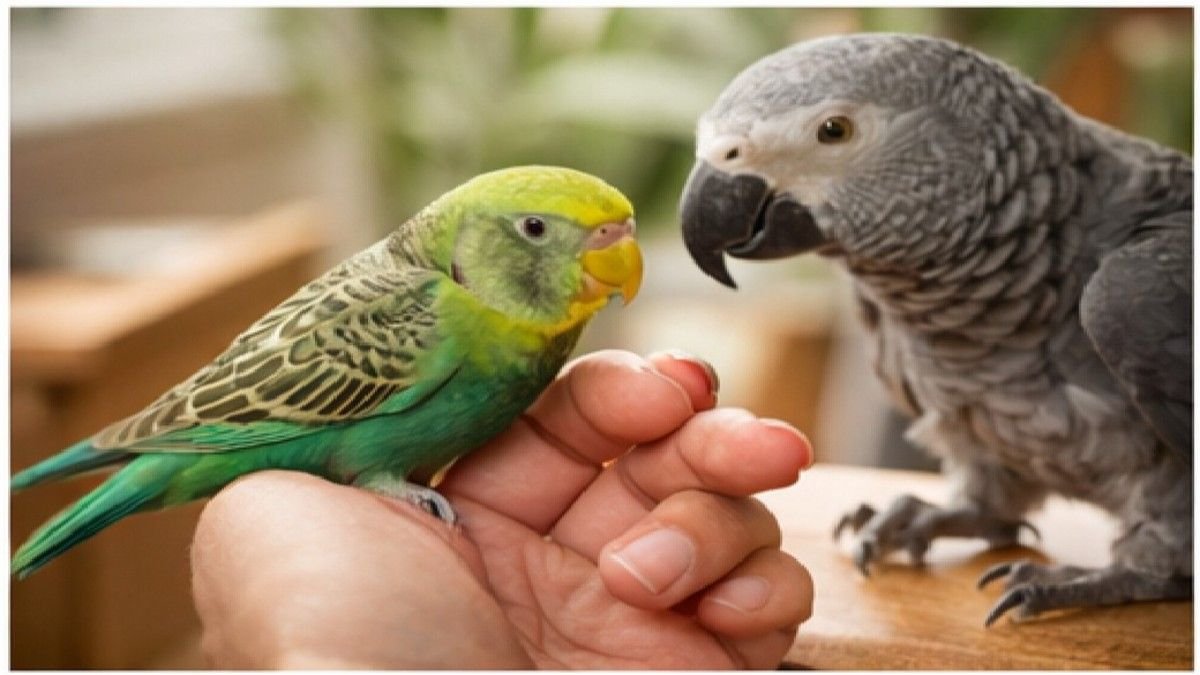
Budgerigar and African Grey Parrot interacting with their owner in a home setting

Budgies study their environment before trusting. They learn routines quickly. Owners who speak daily notice better response. A bored budgie becomes quiet and withdrawn.

Cockatiel

Cockatiels read emotional energy. Loud homes stress them. Gentle voices calm them. Their crest position shows comfort or fear clearly.

African Grey

African Greys process information deeply. They remember tones, not just words. Mental neglect causes stress behaviors. Owners must provide daily stimulation.

Macaw

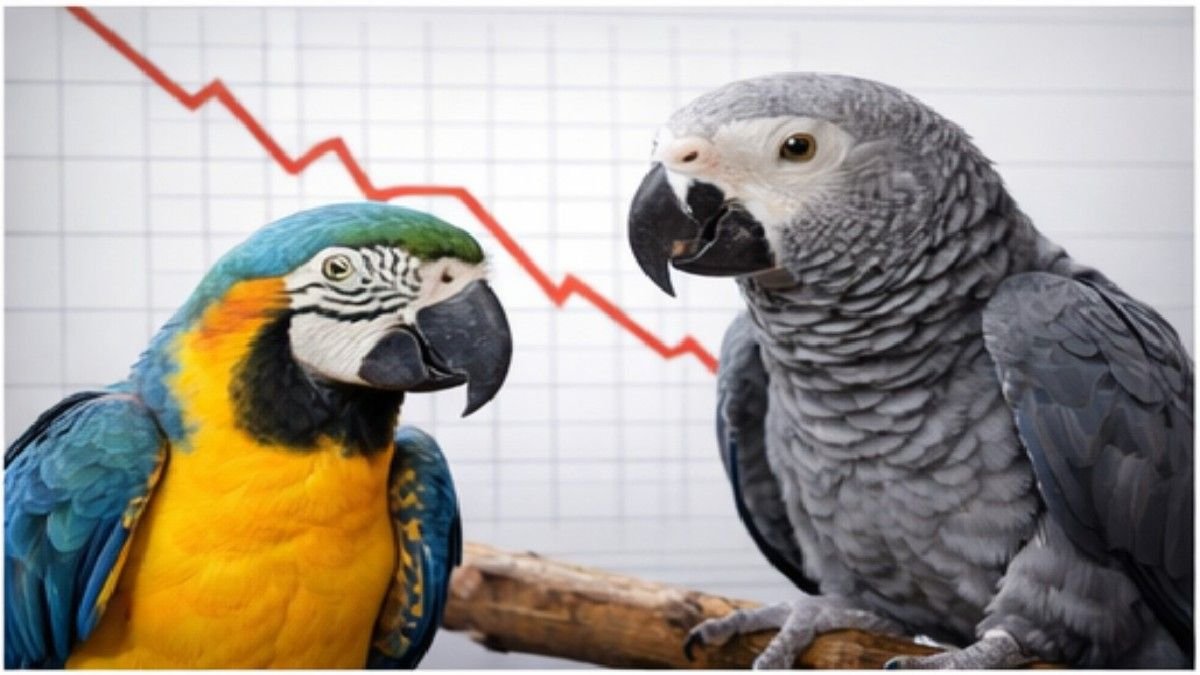
Colorful Macaw and African Grey Parrot perched together, showing vibrant feathers

Macaws live emotionally intense lives. They attach strongly to one person. Ignoring them leads to screaming and destructive habits. This breed needs commitment.

Singing and Observation Birds

These birds suit calm households.

Canary

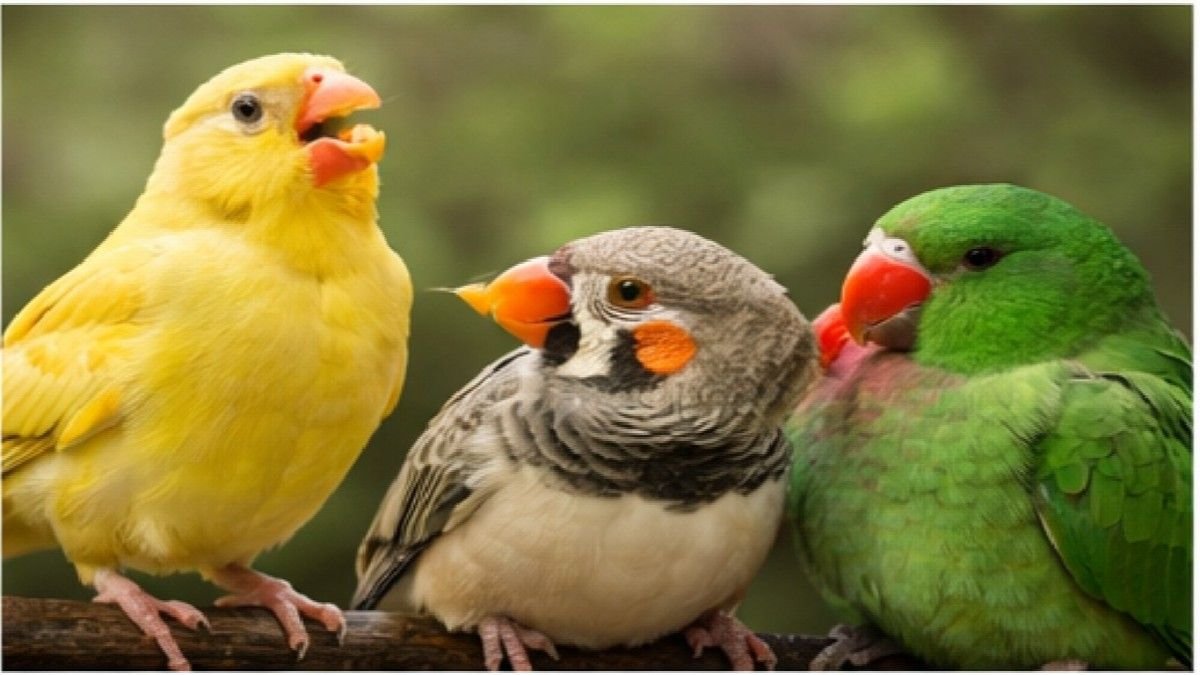
Three small pet birds including a Canary and Zebra Finch sitting together on a perch

Canaries sing when conditions are right. Diet, light, and cleanliness control song quality. Silence often signals a problem.

Finches

Finches interact with their own kind. They prefer flying space over toys. Handling increases anxiety instead of bonding.

Social and Pair Bonding Breeds

Lovebirds form intense attachments.

• They bond quickly
• They become aggressive when lonely
• Daily interaction prevents stress
• They dislike frequent environment changes

They suit owners with stable routines.

Calm and Gentle Bird Breeds

Doves and pigeons remain composed.

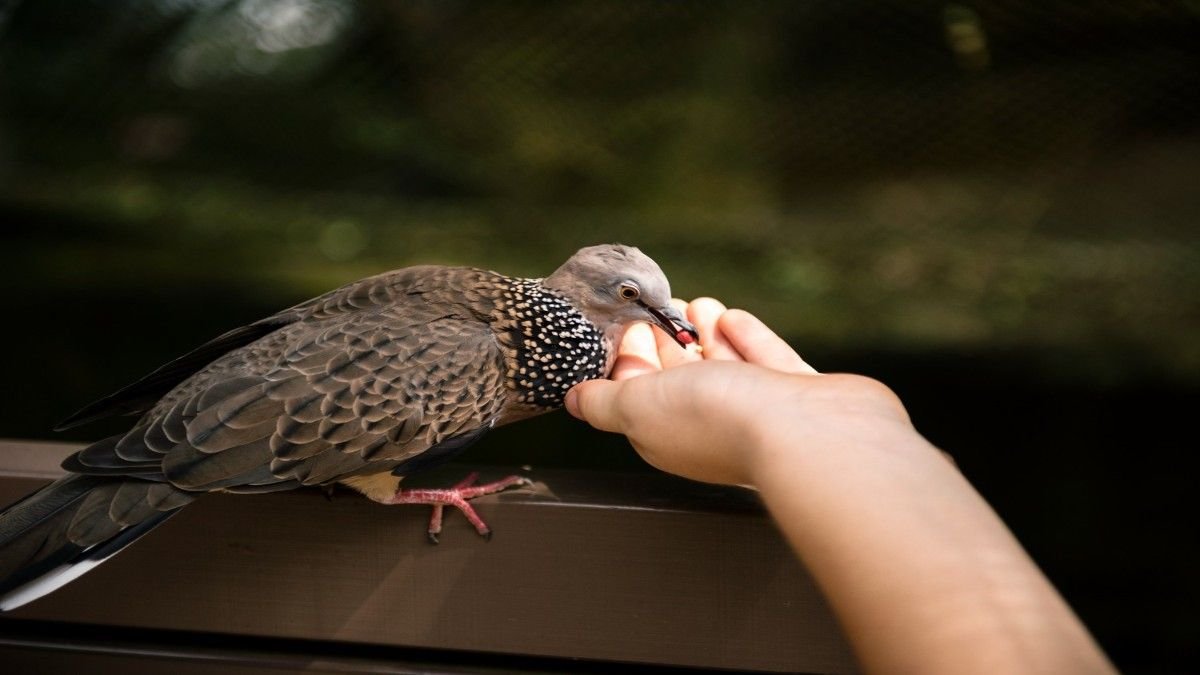
Owner feeding a Cockatiel by hand to build trust and bond

Ringneck Dove

They respond well to slow training. Sudden movements scare them. Calm handling builds trust over time.

Pigeons

Pigeons recognize caregivers. They follow feeding schedules closely. Consistency matters more than affection.

Rare and Advanced Care Breeds

Some breeds require expertise.

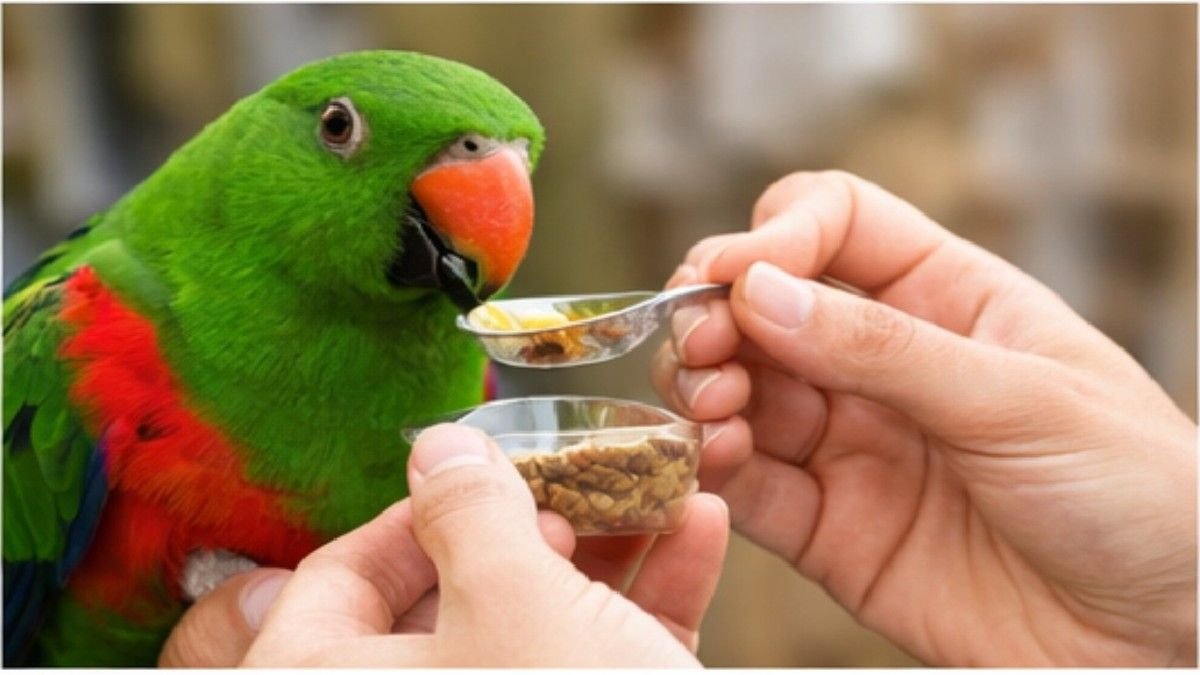
Eclectus Parrot

Hand feeding an Eclectus Parrot with a spoon of fresh food

Diet affects behavior directly. Poor nutrition causes feather issues quickly. Fresh vegetables matter daily.

Toucan

Toucan perched on a branch with its colorful beak in a natural environment

Toucans need legal approval in many regions. Their fruit heavy diet and space needs exceed average pet care.

Temperament and Daily Behavior

Breed controls temperament.

• Parrots seek attention
• Finches avoid touch
• Doves remain peaceful
• Macaws challenge authority
• Canaries focus on sound

Ignoring temperament leads to stress and surrender.

Bird Lifespan and Ownership Reality

Many birds live longer than expected.

Budgies can reach 10 years
Cockatiels often reach 18 years
African Greys may exceed 50 years
Macaws can live 60 years or more

Bird ownership is a long term responsibility. Planning matters.

Cage Design and Living Space

Large indoor birdcages housing multiple pet birds with natural perches and toys

Cage choice affects health.

• Width supports movement
• Bar strength prevents injury
• Natural perches protect feet
• Clean trays reduce disease

Small cages cause aggression and feather damage.

Nutrition Needs Across Breeds

Diet mistakes harm birds more than disease.

Seeds

Seeds lack essential nutrients. They should never be the only food.

Pellets

Pellets provide balance. They support organ health.

Fresh Foods

Bowl of fresh fruits, vegetables, and seeds suitable for pet birds

Vegetables improve immunity. Fruits should stay limited.

Water

Fresh water must be replaced daily.
Never feed avocado, onion, chocolate, or caffeine.

Daily Hygiene and Environment

Clean spaces protect birds.

• Replace water daily
• Wash bowls often
• Remove waste regularly
• Allow bathing
• Observe feathers and droppings

Birds hide illness. Observation saves lives.

Common Health Risks

Breed related issues exist.

Parrots suffer feather plucking
Finches face breathing problems
Canaries struggle with nutrition
Large parrots develop joint stress

Early signs include low energy, appetite loss, and abnormal droppings.

Training and Bond Building

Training builds trust.

• Use calm repetition
• Reward patience
• Maintain routine
• Avoid force

Fear damages bonding permanently.

Noise Levels and Home Suitability

Noise varies greatly.

Canaries sing often
Parrots vocalize daily
Macaws can be very loud
Finches remain quiet

Apartment owners must choose carefully.

Mental Stimulation and Enrichment

Mental health matters.

• Rotate toys weekly
• Change perch placement
• Allow supervised flight
• Speak daily
• Maintain structure

A stimulated bird stays calm and healthy.

Seasonal Changes and Bird Care

Birds react to seasons.

• Molting increases grooming needs
• Daylight affects mood
• Temperature changes affect appetite
• Humidity impacts breathing

Owners must adjust care with seasons.

Breeding Responsibility

Breeding birds require knowledge.

• Overbreeding causes health decline
• Unplanned chicks face neglect
• Only experienced owners should breed

Ethical breeding protects welfare.

Legal and Ethical Buying

Always buy from licensed breeders. Avoid wild caught birds. Ethical sourcing protects species and ensures healthier pets.

Bird Breeds. An In Depth Human Written Guide for Serious Pet Owners Read More »

Cat Breeds. A Detailed and Practical Guide for Real Cat Owners.

Cat breeds guide showing different short haired and long haired cats in an indoor home setting, helping owners choose the right cat for their lifestyle

Cats live closely with humans, yet each cat behaves differently. Breed influences energy level, social behavior, grooming needs, and long term health. In the USA and Europe, many adoption failures happen because owners choose a cat based on looks, not lifestyle fit. Learning about cat breeds helps you avoid this mistake.

This guide explains cat breeds in a clear and experience based way. It focuses on daily life with cats, not theory.

Three different cat breeds sitting together indoors.

How Cat Breeds Developed.

Cat breeds did not appear overnight. Most developed due to climate, geography, and human preference. Cold regions produced cats with thick coats. Busy ports led to strong hunting cats. Modern breeding later refined appearance and temperament.

This history matters. It explains why some cats love activity while others prefer calm spaces.

Understanding this helps you respect natural behavior instead of fighting it.

Short Haired Breeds and Daily Life.

Short haired cats dominate homes in Western countries. They shed less, groom easily, and adapt well to apartments.

American Shorthair.

Two American Shorthair cats sitting calmly indoors

This breed evolved from working cats. They hunted rodents on ships and farms. Today, they remain balanced and adaptable.

They play when invited. They rest quietly when ignored. They rarely develop extreme behavior issues. Families with children often choose them for this reason.

Health tends to be stable. Weight control matters because they enjoy food.

British Shorthair.

British Shorthair cat resting comfortably indoors

British Shorthairs value personal space. They enjoy sitting near you, not on you. This suits owners who work long hours.

Their thick coat feels plush but requires weekly brushing. Without portion control, they gain weight quickly.

They dislike chaos. Loud homes stress them. Calm routines keep them relaxed.

Siamese.

Siamese cats seek attention actively. They communicate with voice and body language. Silence often means something is wrong.

They bond deeply with one or two people. Left alone too long, they may develop anxiety behaviors like excessive vocalization.

They suit homes where interaction is daily and consistent.

Bengal.

Bengals carry strong hunting instincts. They climb high, jump far, and explore constantly.

Owners must provide vertical space. Shelves and tall cat trees reduce destructive behavior.

Bengals thrive on routine play sessions. Without them, boredom turns into trouble.

Long Haired Breeds and Commitment.

Long haired cats require time. Beauty comes with responsibility.

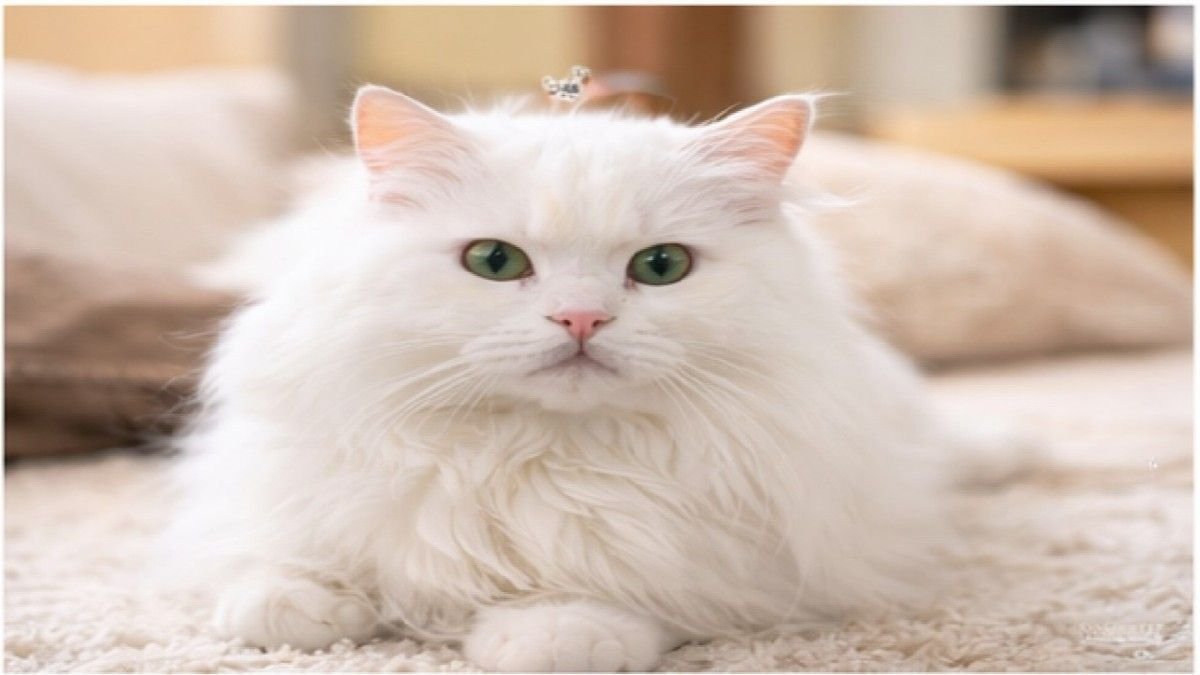
Persian.

Persian cat with long white coat resting indoors

Persians prefer predictable environments. Sudden changes upset them.

Daily grooming prevents mats and skin infections. Eye care is part of routine due to facial structure.

They suit owners who enjoy slow, quiet companionship.

Maine Coon.

Maine Coon cat with long fur lying on a wooden surface

Maine Coons developed in cold climates. Their size reflects survival needs.

They remain playful into adulthood. Many enjoy water and interactive toys.

Despite long fur, coat texture resists matting. Brushing several times weekly works well.

They eat more than average cats. Nutrition quality matters to protect joints.

Ragdoll.

Ragdolls trust humans easily. They relax fully when handled.

They do not cope well with rough play or aggressive pets. Gentle households suit them best.

Indoor life keeps them safe. They lack strong survival instincts outdoors.

Unusual Coat and Structure Breeds.

Some breeds stand out due to appearance. Care needs change with looks.

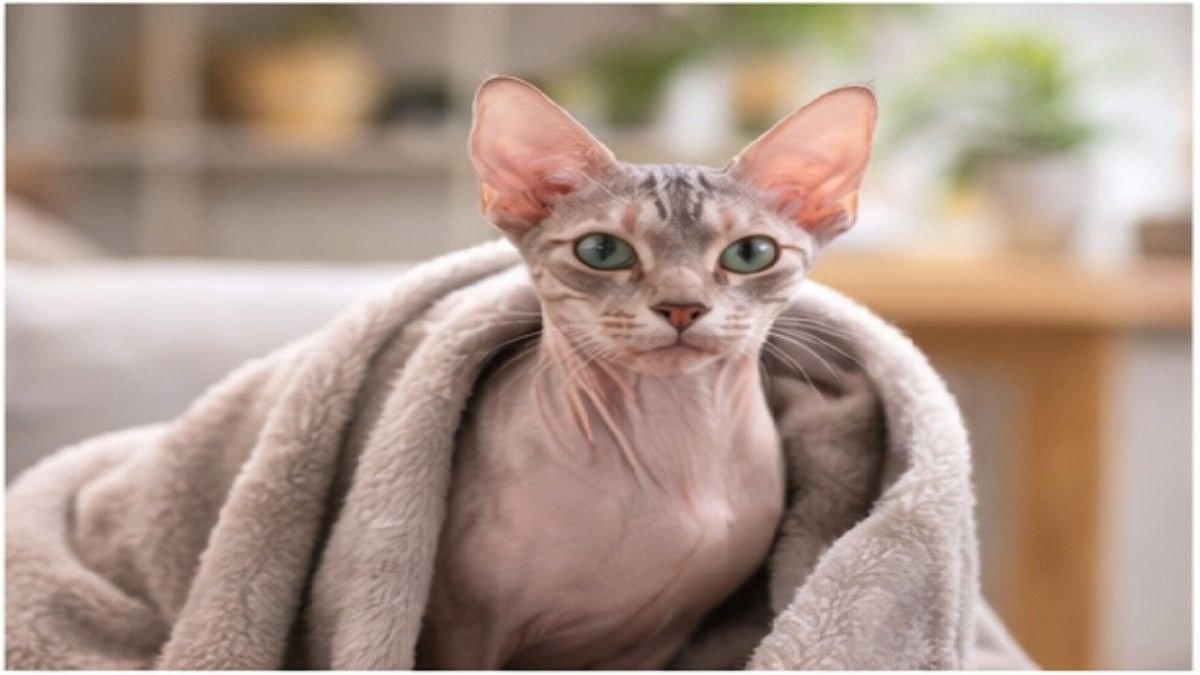
Sphynx.

Sphynx cat wrapped in a towel after a bath

Lack of fur changes everything. Body oils stay on skin instead of fur.

Weekly bathing prevents odor and skin irritation. Ears collect wax quickly and need cleaning.

They seek warmth constantly. Expect them under blankets or on laps.

Scottish Fold.

Folded ears come from cartilage mutation. This affects joints too.

Ethical breeding reduces risk but does not remove it. Regular vet checks are essential.

They remain calm and adaptable when health is managed well.

Oriental Shorthair.

These cats live loudly and actively. Silence means boredom.

They require mental stimulation more than physical toys. Puzzle feeders and interaction work best.

They follow owners closely and dislike isolation.

Mixed Breed Cats and Real World Health.

Many cats have no breed label. This does not reduce value.

Domestic Shorthair.

These cats show wide personality range. Some act independent. Others act affectionate.

Genetic diversity often improves health resilience. Vet costs may remain lower long term.

They adapt well to indoor life and family changes.

Domestic Longhair.

Grooming habits must start early. Otherwise mats form quickly.

Temperament depends on early socialization, not coat length.

Adoption stories often reveal deep loyalty once trust builds.

Choosing a Breed That Fits You.

Before choosing a cat, evaluate your routine honestly.

Consider these factors.

Daily time available.

Noise tolerance.

Space size.

Grooming commitment.

Other pets or children.

High energy cats fail in low interaction homes. Quiet cats suffer in chaotic environments.

Matching lifestyle prevents surrender later.

Breed Related Health Patterns.

Some health issues appear more often in certain breeds.

Flat faced breeds may struggle with breathing.

Large breeds may face joint strain.

Purebred lines may carry inherited conditions.

Preventive care reduces risk. Annual checkups matter. Weight control matters more.

Indoor Living and Safety.

Indoor cats live longer on average in Western countries.

Outdoor risks include traffic, parasites, and disease.

Active breeds still thrive indoors with enrichment. Window perches and climbing spaces help.

Leash training offers safe outdoor exposure.

Nutrition Differences by Breed Type.

Breed does not change basic nutrition needs. Size and activity do.

Large cats need joint support.

Active cats need controlled calories.

Long haired cats benefit from hairball management.

Always choose complete food. Avoid random supplements.

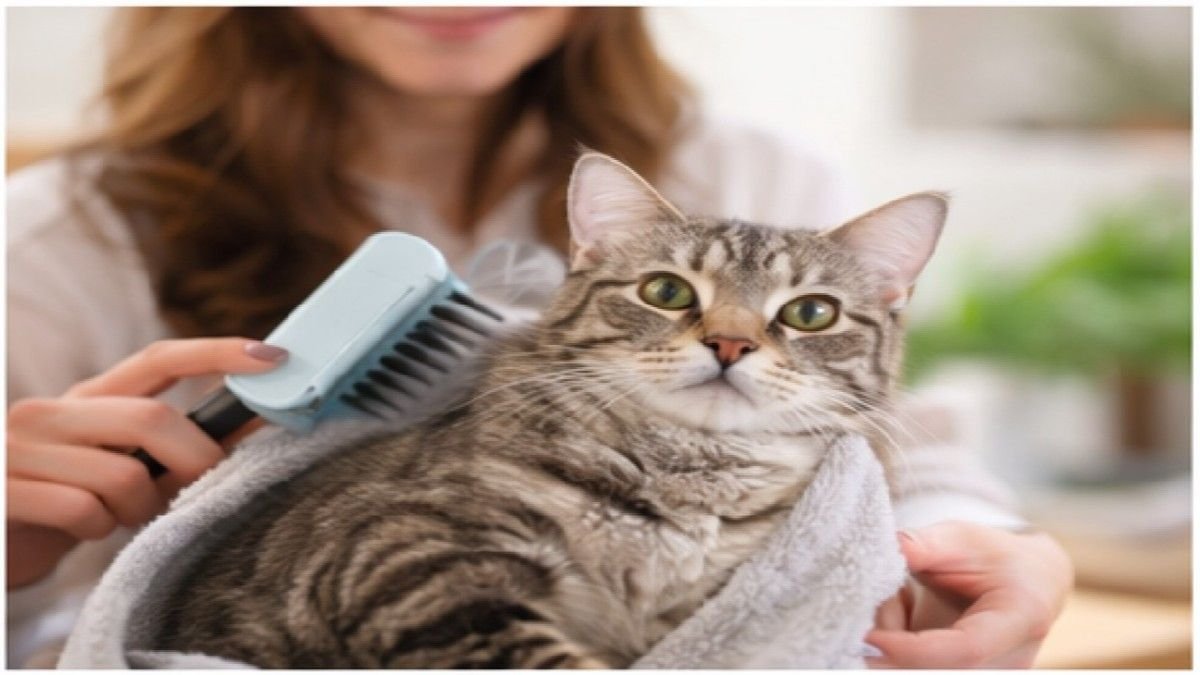
Grooming as Bonding.

Cat being gently brushed during a grooming session.

Grooming is not just maintenance. It builds trust.

Short coats need weekly brushing.

Long coats need frequent sessions.

Hairless cats need skin care.

Start slowly. Keep sessions positive.

Final Guidance for Owners.

Happy couple holding a pet cat indoors

Breed knowledge guides expectations. It does not replace observation.

Spend time with a cat before deciding. Watch reactions. Ask caregivers about behavior.

Adoption centers and responsible breeders share information openly.

When expectations match reality, cats settle faster. Care becomes easier. Bonds grow naturally over time.

A well chosen cat does not just live in your home. It becomes part of your routine, quietly and consistently.

Cat Breeds. A Detailed and Practical Guide for Real Cat Owners. Read More »
Dog Nutrition: Real Talk About Feeding Your Dog the Right Way

Healthy dog sitting next to balanced dog food with fresh ingredients

Let’s start with something simple. Most dog owners love their dogs. Like, really love them. They worry if the dog skips one meal. They panic over a little cough. They Google everything at 2 a.m. So when it comes to food, people usually mean well. But meaning well and feeding right are not always the same thing.

I have seen dogs eating premium food and still looking tired. I have also seen dogs on very basic diets doing just fine. That’s when it hits you. Nutrition is not only about brands or price. It’s about understanding your dog, even a little.

And no, you don’t need to become a vet or a nutrition expert. You just need to pay attention.
Healthy dog sitting near food bowl at home

Why Food Affects Dogs More Than We Think

Healthy dog compared to poorly fed dog showing energy difference

Dogs can’t tell you, “Hey, this food makes me feel weird.” They show it instead.

  • Low energy

  • Scratching all the time

  • Loose stools

  • Dull coat

  • Mood changes

Food plays a role in all of this. Not overnight, usually. Slowly. That’s why many people miss it.

A dog eating the wrong balance of nutrients might look okay at first. Weeks later, small signs appear. Months later, real problems.

Dogs Need Balance, Not Perfection

Here’s the thing. Dogs don’t need a perfect diet. They need a balanced one. There’s a difference.

A balanced diet means:

  • Protein

  • Fats

  • Some carbs

  • Vitamins

  • Minerals

  • Water

Miss one piece and the whole thing feels off.

Protein Comes First

Protein rich foods for dogs like chicken beef fish and eggs

Protein is what keeps dogs strong. Muscles, skin, fur, even the immune system rely on it.

  • Chicken

  • Beef

  • Turkey

  • Fish

  • Eggs

Puppies need more protein because they grow fast. Adult dogs need enough to maintain muscle. Senior dogs still need protein, just better quality and easier to digest.

Too little protein leads to weakness. Too much, especially poor quality protein, can cause digestive stress. Balance matters.

Fats Are Not the Enemy

Dog with shiny coat showing benefits of healthy fats

A lot of people get scared of fats. They shouldn’t. Healthy fats give dogs energy. They support skin, coat, joints, and brain health.

Omega fatty acids, especially Omega 3, help with:

  • Itching

  • Inflammation

  • Anxiety in some dogs

Fish oil is common, but not every dog likes it. That’s normal.

If your dog’s coat looks dry or flaky, fats might be missing.

Carbs Have a Role Too

Healthy carbohydrates for dogs including rice oats and sweet potatoes

Dogs don’t need a huge amount of carbs, but they are not useless either. Carbs provide energy and fiber.

  • Rice

  • Oats

  • Sweet potatoes

  • Barley

Some dogs handle carbs very well. Others do better with less. Watch your dog. Their body tells you more than labels ever will.

Vitamins and Minerals Matter Quietly

You won’t notice vitamins working. But you will notice when they’re missing.

  • Weak bones

  • Low immunity

  • Poor healing

Most good commercial dog foods include them. If you cook at home, you need to be careful. Guessing is risky. A quick vet check saves a lot of trouble later.

Feeding Changes With Age

Dogs change. Their food should too.

Puppy adult dog and senior dog representing different life stages

Puppies

Puppies burn energy like crazy.

  • More calories

  • More protein

  • Regular meals

Small stomachs, frequent feeding.

Skipping meals or feeding adult food too early can slow growth. Overfeeding can cause joint issues later. Puppy food exists for a reason.

Adult Dogs

This is where many mistakes happen. Adult dogs seem fine, so owners stop paying attention.

  • Portions creep up

  • Treats increase

  • Walks decrease

Weight gain happens quietly. Then suddenly, the dog is overweight and tired.

Adult dogs need steady nutrition, not excess.

Senior Dogs

Older dogs slow down.

  • Digestion weakens

  • Joints complain

They often need fewer calories but higher quality protein. Softer food helps some seniors. Supplements sometimes help, but only when used correctly.

Common Feeding Mistakes People Don’t Notice

Dog trying to eat human food which can be harmful

Even loving owners mess up. It’s normal.

  • Overfeeding

  • Too many treats

  • Table leftovers

Human food is another issue.

  • Chocolate

  • Grapes

  • Raisins

  • Onions

  • Garlic

Even small amounts can harm dogs.

Another mistake is never changing food. Feeding the same protein for years can cause sensitivities. Variety, when done slowly, is healthy.

Choosing Dog Food Without Losing Your Mind

Dog food aisles are confusing. Ignore the hype.

  • Dry food helps teeth and is convenient

  • Wet food adds moisture and taste

  • Mixing both works well for many dogs

Grain free food is not magic. Unless your dog has allergies, grains are fine.

Read the ingredient list. Real meat should come first. Avoid foods that look like a chemistry experiment.

Homemade Food Sounds Nice, But Be Careful

Cooking for your dog can be great. It can also go wrong.

Safe basics:

  • Lean meats

  • Cooked vegetables

  • Simple grains

Avoid completely:

  • Salt

  • Spices

  • Onion powder

Supplements should not be added randomly. More is not better.

Dogs With Special Needs

Some dogs need special diets.

  • Overweight dogs need controlled calories

  • Allergic dogs need limited ingredients

  • Kidney or heart issues need vet guided food

In these cases, guessing is dangerous. Professional advice matters.

Simple Feeding Habits That Help a Lot

  • Measure portions

  • Stick to a routine

  • Limit treats

  • Use small treat pieces

  • Always provide fresh water

  • Watch stool, energy, coat, and appetite

These are signals.

How You Know Your Dog Is Eating Right

Active healthy dog showing signs of proper nutrition

A well fed dog shows it.

  • Good energy

  • Shiny coat

  • Healthy weight

  • Normal digestion

You can feel ribs but not see them.

A Few Real Life Moments

A friend’s dog kept itching. They tried shampoos. Nothing worked. Turned out the food protein was the issue. Changed it slowly. Itching reduced in weeks.

Another dog refused meals. Everyone thought he was picky. The food was too heavy for his digestion. Switched to lighter protein. Appetite came back.

Dogs respond fast when food suits them.

Final Thoughts

Dog nutrition doesn’t need to be perfect. It needs to be thoughtful.

  • Pay attention

  • Adjust when needed

  • Don’t follow trends blindly

  • Don’t ignore small signs

A healthy diet builds a healthy life. More walks. More play. More tail wagging.

That’s really the goal.


Dog Nutrition: Real Talk About Feeding Your Dog the Right Way Read More »
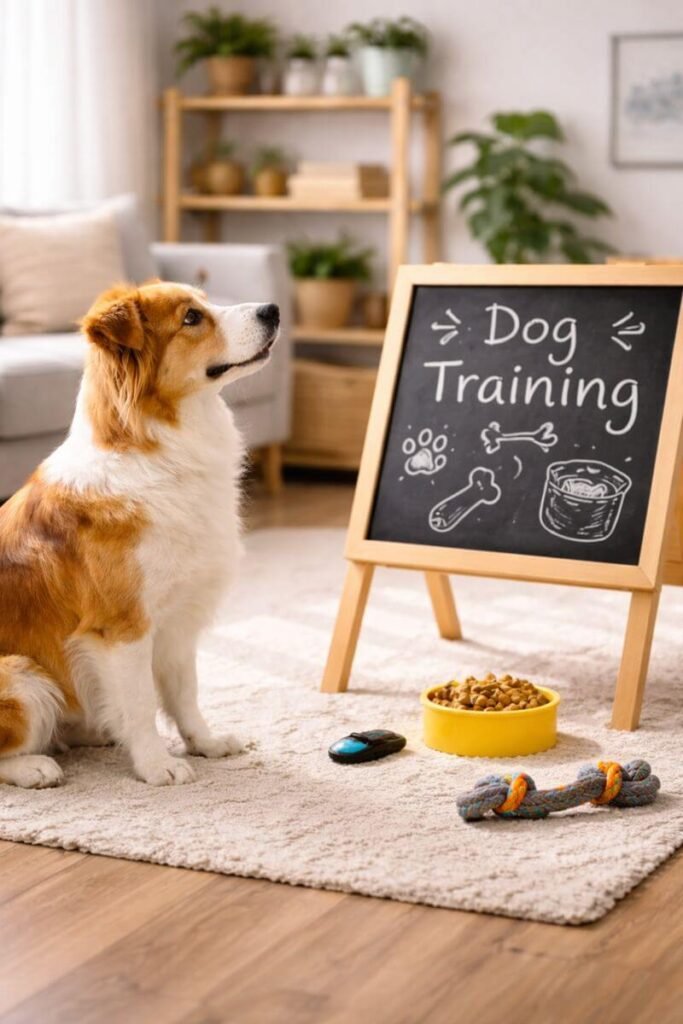
Dog Training and the Reality of Teaching a Dog to Live With Humans

dog training setup with attentive dog learning commands using positive reinforcement tools

Dog training sounds simple. Teach sit. Teach stay. Teach come. Many people believe this is enough. Real training starts much earlier and goes much deeper. Training is not about tricks. Training is about helping a dog understand how to live in a human world.
Most problems people complain about are not behavior problems. They are communication problems. Dogs do not misbehave to annoy you. They behave in ways that make sense to them. Your job is to guide that behavior in a clear and fair way.
This article focuses on real life training. Not shortcuts. Not viral methods. Just what actually works when a dog lives with you every day.

Understanding What Training Really Means

positive dog training with rewards

Training is not control. Training is guidance. A trained dog feels safe because it knows what is expected. An untrained dog feels confused. Confusion creates stress. Stress creates unwanted behavior.
Dogs learn from patterns. They repeat what works. They avoid what does not. Every interaction you have with your dog teaches something. Even when you think you are not training, you are still teaching.

  • If your dog jumps and you pet it, jumping works.
  • If your dog barks and you shout, barking gets attention.
  • If your dog pulls and reaches the destination, pulling works.

Training starts with awareness. You must notice what your dog is learning from you.

Why Dogs Behave Differently During Training

different dog breeds learning training differently

Every dog learns differently—breed matters. Age matters. Past experiences matter.

  • Some dogs learn fast but lose focus quickly.
  • Some dogs learn slowly but remember for life.
  • Some dogs shut down under pressure.
  • Some dogs become stubborn when confused.

This is normal. Comparing your dog to other dogs creates frustration. Training succeeds when you work with your dog, not against it.

The Biggest Training Mistake New Owners Make

dog confused due to inconsistent training at home

The most common mistake is inconsistency.

  • One day something is allowed.
  • The next day it is punished.

Dogs do not understand exceptions. They understand patterns. If rules change, dogs feel unsafe. When dogs feel unsafe, behavior problems increase.
Another mistake is expecting too much too soon. Puppies are babies. Adult dogs with no training are beginners. Progress takes time.
Short sessions work better than long sessions. Five minutes done correctly beats thirty minutes of frustration.

Basic Training That Every Dog Needs

basic dog training commands sit recall leash

Some skills are not optional. They are necessary for safety and peace at home.

  • Name response: Your dog should look at you when you say its name. This is the foundation of all training.
  • Recall: Coming when called saves lives. This should be practiced daily in safe environments.
  • Loose leash walking: Pulling causes stress for both dog and owner. Calm walking builds trust.
  • Sit and stay: These commands help control excitement and prevent accidents.
  • Leave it: This protects your dog from dangerous objects and food.

These are not tricks. These are life skills.

Why Positive Training Works Better

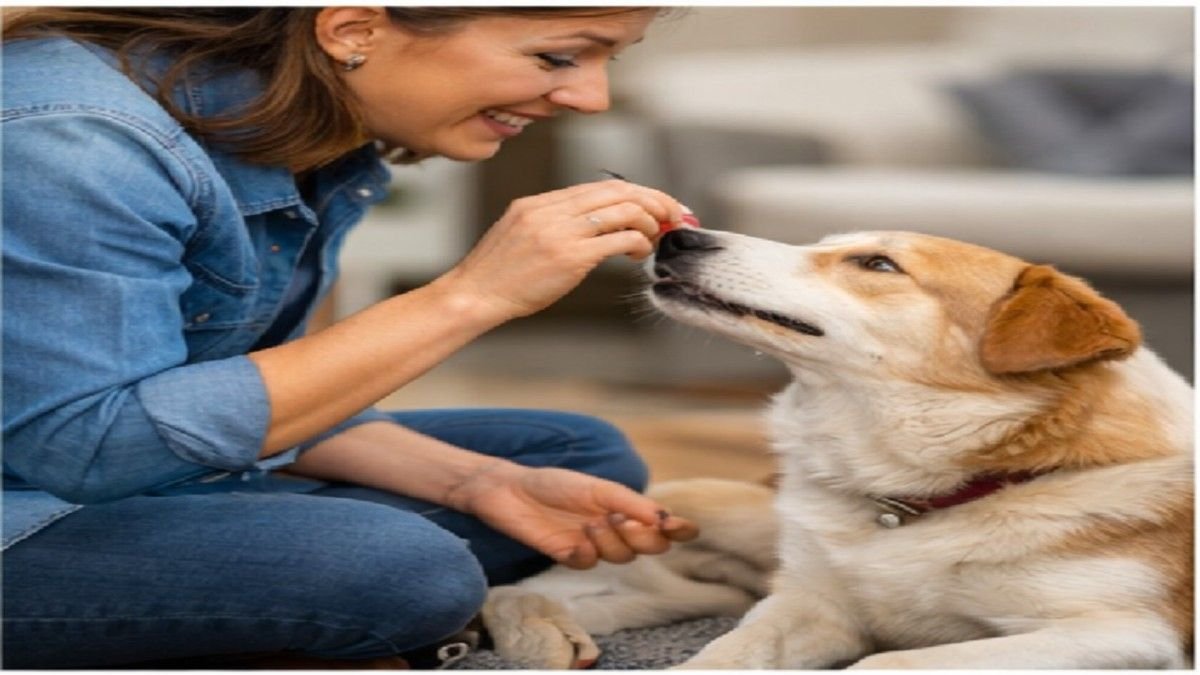
reward based dog training builds trust

Dogs learn faster when they feel safe. Fear shuts down learning. Rewards build confidence.
Reward based training does not mean no rules. It means clear rules with fair feedback.

  • Rewards can be food.
  • Rewards can be praise.
  • Rewards can be play.

The reward must matter to the dog. Timing matters more than reward size. Reward immediately when the behavior happens.
Punishment often stops behavior temporarily. It does not teach what to do instead. This creates confusion.

Training Puppies Versus Adult Dogs

training puppies versus adult dogs learning

Puppies learn fast but have short attention spans. Adult dogs learn slower but focus longer.
Puppy training should focus on exposure.

  • Sounds.
  • People.
  • Surfaces.
  •  Gentle handling.

Positive experiences shape future behavior.

Adult dogs may carry habits. Habits can be changed with patience. Age does not block learning. Inconsistency does.
Never assume an adult dog cannot learn. Many adult dogs learn better than puppies because they can focus.

The Role of Routine in Training

Dogs feel calm when life is predictable. Routine reduces anxiety. Reduced anxiety improves learning.

  • Feed at similar times.
  • Walk at similar times.
  • Train at similar times.

Routine does not mean strict schedules. It means general consistency.
A calm dog learns faster than an excited or anxious dog.

Training Problems and What They Usually Mean

  • Pulling on leash means the dog wants to move faster or lacks guidance.
  • Excessive barking often means boredom or insecurity.
  • Chewing furniture usually means lack of mental stimulation or teething.
  • Ignoring commands usually means the dog does not understand or finds something else more rewarding.

Blaming the dog delays solutions. Understanding the reason fixes the problem.

Mental Stimulation Is Training Too

mental stimulation games for dogs

Training is not only commands. Mental work tires dogs more than physical exercise.

  • Puzzle toys.
  • Scent games.
  • Learning new commands.

A mentally satisfied dog is calmer at home. Many behavior issues disappear when the brain is engaged.
Exercise alone is not enough for intelligent breeds. They need thinking tasks.

Socialization Is Part of Training

Socialization does not mean forcing interaction. It means positive exposure.
Dogs should see

  • Different people.
  • Different dogs.
  • Different environments.

Bad social experiences create fear. Fear creates aggression.
Good socialization builds confidence. Confident dogs train better.

Common Training Myths That Cause Harm

  • Myth one: Dogs need dominance.
    Reality: Dogs need clarity and consistency.
  • Myth two: Old dogs cannot learn.
    Reality: Learning continues for life.
  • Myth three: Training once is enough.
    Reality: Training is ongoing.

Believing myths delays progress and creates frustration.

When Professional Help Is a Good Idea

dog jumping during training session

Some problems need expert guidance.

  • Aggression.
  • Severe anxiety.
  • Resource guarding.

A good trainer teaches you how to communicate. They do not train the dog alone.
Avoid trainers who rely on fear. Avoid quick fix promises. Real change takes time.

Training Builds the Human Dog Relationship

Training strengthens trust. Your dog learns that you are predictable and fair. You learn how your dog thinks.
A trained dog is not a robot. It is a relaxed companion.
Dogs want to please. They just need clear instructions.

Living With a Trained Dog

Life becomes easier. Walks become calmer. Guests feel comfortable. Vet visits become manageable.
Training is not about perfection. It is about progress.
Every dog can improve. Every owner can learn.

Final Thoughts From Experience

Dog training is not about control. It is about understanding. Dogs live in a world built for humans. Training helps them survive in it calmly.
Consistency matters more than technique. Patience matters more than speed.
If you invest time in training, you gain years of peace.

Dog Training and the Reality of Teaching a Dog to Live With Humans Read More »
Dog Breeds and the Reality of Living With a Dog

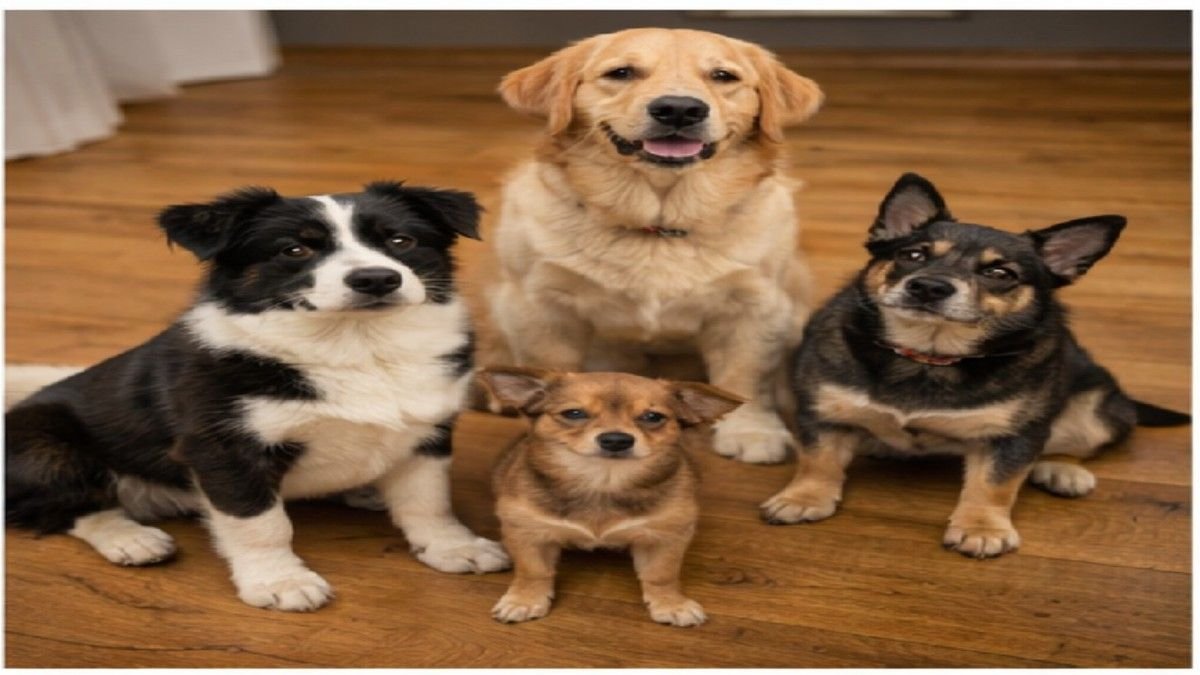
Collage showing different dog breeds including German Shepherd, Golden Retriever, Husky, Beagle, Pomeranian, and a mixed breed dog, representing the reality of living with dogs beyond appearance

When people talk about dog breeds, the conversation usually starts and ends with looks. Big dog, small dog, fluffy dog, aggressive dog, friendly dog. Very few people talk about what actually happens after the dog comes home. The truth is, living with a dog is very different from watching videos online or seeing someone else’s pet for five minutes.

Dog breeds matter, not because one breed is better than another, but because every breed comes with habits, needs, and expectations. Ignoring this is one of the biggest reasons why dogs end up unhappy or abandoned.

This article is not written like a manual. It is written the way experienced dog owners slowly understand dogs — through observation, mistakes, and time.

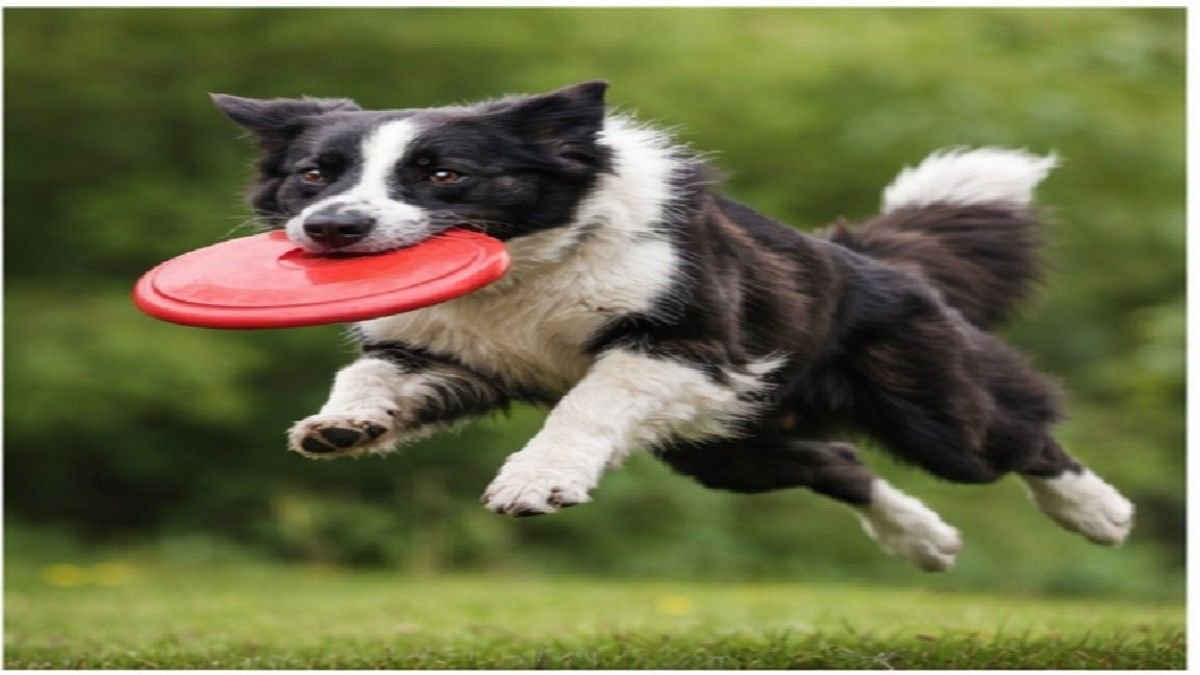
border collie herding dog focused and intelligent

A Dog Breed Is a Set of Habits, Not Just a Category

A dog breed is often treated like a title. Labrador. German Shepherd. Husky. But in real life, a breed is more like a personality blueprint.

  • Some dogs wake up ready to move.
  • Some dogs wake up calm and relaxed.
  • Some dogs need constant interaction.

These things don’t come from training videos. They come from genetics.

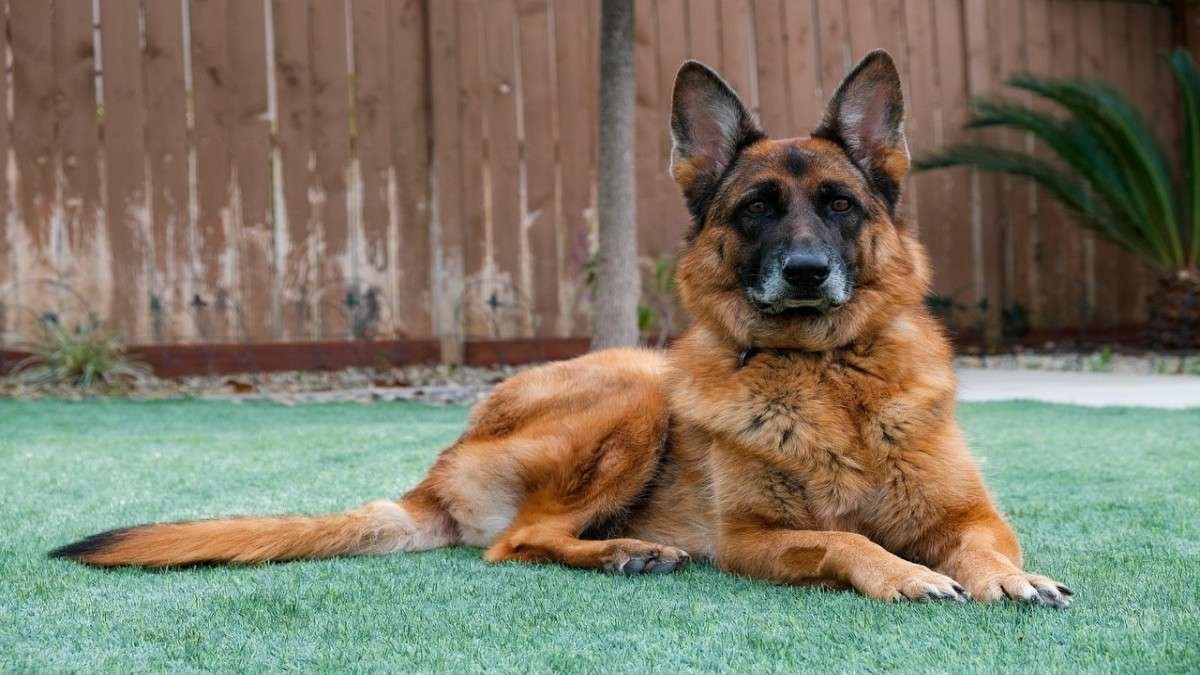
german shepherd working dog alert and loyal

People are often surprised when their dog behaves in a certain way. In reality, the dog is only doing what it was bred to do. A Beagle following smells is not being naughty. A Shepherd watching every sound at night is not being paranoid. These are natural behaviors.

How Humans Accidentally Created Dog Breeds

Thousands of years ago, dogs were not pets. They were helpers. Humans kept dogs that made life easier. Over time, this created patterns.

  • Dogs that guarded villages were kept and bred again.
  • Dogs that helped in hunting were valued.
  • Dogs that controlled animals on farms survived.

Nobody cared about cuteness. Survival came first.

early working dogs helping humans hunt guard and farm

Slowly, dogs developed predictable traits. That is why today we can guess how a breed will behave, even before meeting the dog.

Modern life has changed, but dogs are still carrying ancient instructions in their brains.

Why Training Alone Is Not Enough

Many people believe that if a dog misbehaves, it simply needs more training. Training helps, but it does not replace breed understanding.

  • An energetic dog without exercise becomes destructive.
  • An intelligent dog without stimulation becomes frustrated.
  • An emotional dog without attention becomes anxious

This is not disobedience. This is unmet need.

Once owners understand this, their relationship with their dog improves automatically.

Different Dogs, Different Daily Realities

Working-Type Dogs

These dogs are serious. They like rules, routine, and leadership. They don’t enjoy confusion.

German Shepherds and similar breeds are loyal, but they watch everything. They need direction. Without guidance, their protective nature can become stress.

They are amazing dogs — but not easy dogs

Dogs That Think All the Time

Herding-type dogs are constantly thinking. They don’t relax easily.

border collie active intelligent herding dog

Movement attracts them. Noise catches their attention. They like having something to do, even if it’s meaningless.

When bored, they invent their own activities, which owners usually don’t appreciate.

Friendly and Emotional Dogs

Some dogs are emotionally open. Labradors and Golden Retrievers fall into this category.

labrador retriever friendly and emotional family dog

They love people. They want to be involved. Ignoring them hurts them emotionally, even if they don’t show it clearly.

These dogs give a lot of love, but they also expect time and presence.

Small Dogs With Big Feelings

Small dogs are often spoiled instead of trained. This creates confusion.

Small dogs are often spoiled instead of trained. This creates confusion.

Toy breeds don’t understand that they are small. They only understand behavior patterns. Without boundaries, they develop fear, noise issues, or aggression.

Size does not reduce responsibility.

Dogs That Trust Their Instincts More Than Words

Hounds live in their senses. Once something smells interesting, the rest of the world disappears.

beagle hound dog following scent instincts

Owners often think these dogs are stubborn. They are not. They are focused.

Training works with patience, not force.

Popular Breeds and Honest Observations

Labradors are loving, but they eat emotionally. Many health problems start with overfeeding.

German Shepherds are loyal, but they need social exposure early. Isolation creates fear.

Golden Retrievers are gentle. Harsh discipline damages their confidence.

Huskies are beautiful but demanding. They are not lazy dogs. They need effort.

Pomeranians are confident. Without rules, they try to control situations.

These realities are rarely mentioned before adoption.

Choosing a Dog Should Feel Uncomfortable at First

If choosing a dog feels too easy, something is wrong.

Good decisions come with questions:

  • Can I adjust my routine?
  • Can I handle responsibility for years?
  • Can I afford emergencies?

Dogs don’t leave when life gets busy.

Health Is Not Just Genetics

Breed-related health issues exist, but lifestyle makes them worse or better.

Bad food, no exercise, and late vet visits turn small issues into serious problems.

Healthy dogs come from informed owners

Grooming Is About Respect

Dogs don’t need grooming to look good. They need grooming to feel comfortable.

Ignoring grooming causes pain, not just mess.

Feeding Is Not Love

Many owners show love through food. Dogs pay the price later.

Proper diet is care, not cruelty.

Mixed Breed Dogs Deserve More Credit

Mixed Breed Dogs Deserve More Credit

Mixed breed dogs are often stronger, calmer, and more adaptable.

They are not “lesser dogs.” They are survivors.

Adoption is not charity. It is a smart choice.

Training Is Communication

Training is not about control. It is about clarity.

Dogs relax when they understand expectations.

Confused dogs become anxious dogs.

Living With a Dog Changes Over Time

Dogs age. Energy reduces. Needs increase.

Choosing a dog means choosing responsibility for its entire life, not just puppy months.

Final Thoughts (From Experience)

Dog breeds matter, but they don’t guarantee anything. Love alone is not enough. Knowledge makes love work.

A dog does not become loyal because of breed. It becomes loyal because someone understood it.

Dog Breeds and the Reality of Living With a Dog Read More »

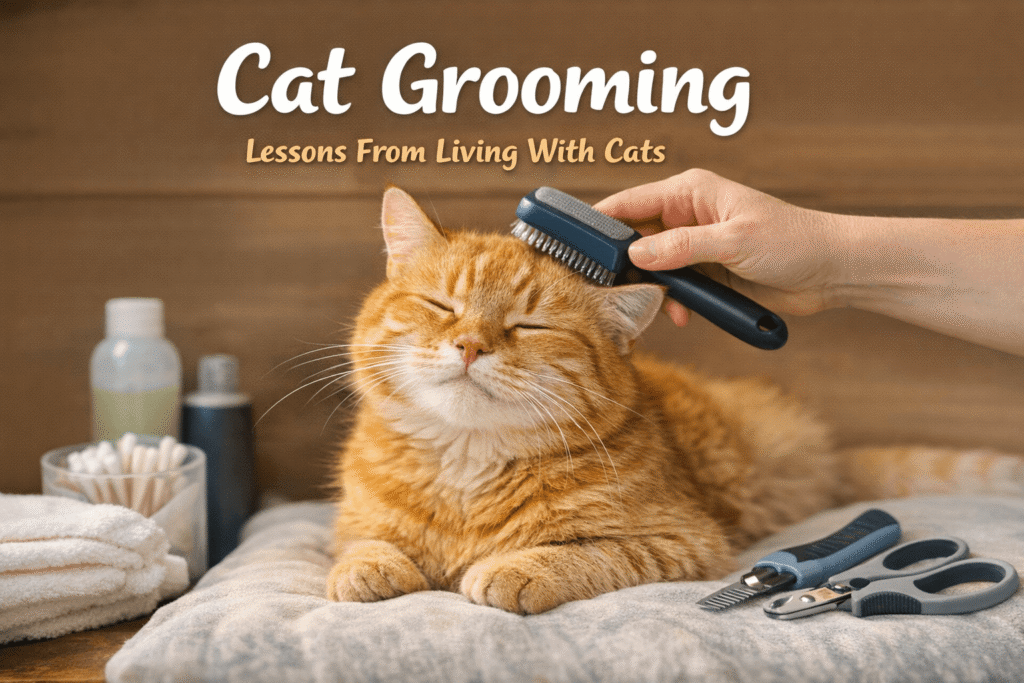
Cat Grooming. Lessons From Living With Cats

Cats clean themselves a lot. Or at least, they try to. When my first cat came home, I honestly didn’t think much about grooming. She licked herself constantly, and I thought, “Great, she’s fine.” But soon, fur started appearing everywhere—on the couch, my clothes, even my bed.

Cat cleaning its paw while sitting comfortably on a sofa
Hairballs were the next surprise. At first, I just laughed. “That’s normal,” I said. But then they kept happening. Too often. And I realized that grooming was something I had to take seriously.
Sometimes, while petting her, I felt a small lump under the fur on her neck. Barely visible, but pulling on her skin. She didn’t yowl or show pain—cats rarely do—but she wasn’t comfortable. That moment made me think: grooming isn’t just about looks; it’s about comfort and health.
Grooming also strengthens trust. A cat that tolerates grooming usually trusts you more. And honestly, that matters more than a shiny coat.

Why Grooming Matters

Professional cat grooming using brush to reduce shedding

Even short haired cats benefit from brushing. Loose fur gets removed before it ends up swallowed. Hairballs become fewer. The coat looks soft, shiny, and healthy.

Long haired cats are trickier. Mats can form really fast. Belly, under legs, neck. These are problem areas. Mats pull on the skin and can even lead to infections if ignored.

Brushing gives a chance to notice things early. Nails, ears, eyes, lumps. Small issues are easy to catch when you brush regularly. It’s better than waiting until a problem grows.

Some cats even seem calmer after grooming. Maybe it’s the attention. Maybe it’s just feeling good. Either way, it’s worth it.

Timing Is Key

Orange cat sleeping peacefully after grooming session

You can’t groom a cat whenever you feel like it. Trying to brush a playful or alert cat is almost impossible. Scratches happen, and nobody enjoys that.

The best times. After meals, during naps, or when the cat is stretched in the sun. Calm cats tolerate brushing better.

Body language is everything. A flicking tail, ears flat back, sudden tension. That’s your cue to stop. Slow blinking, purring, relaxed posture. Safe to continue. Respect these signals. Trust grows this way.

Tools That Actually Work

cat grooming tools including brush,wide tooth comb, flea comb, nail clippers

I wasted money on fancy brushes at first. Most didn’t make a difference.

Soft brushes are perfect for short haired cats. Long haired cats need a wide tooth comb for tangles. Flea combs help remove hair and dirt, not just fleas.

Cat specific nail clippers are essential. Human clippers. Too risky. Shampoo. Only if necessary, like after something sticky or dirty. Clean your tools. Dirty brushes can irritate the skin.

Brushing Without Stress

Gently brusing a calm cat to reduce stress during grooming

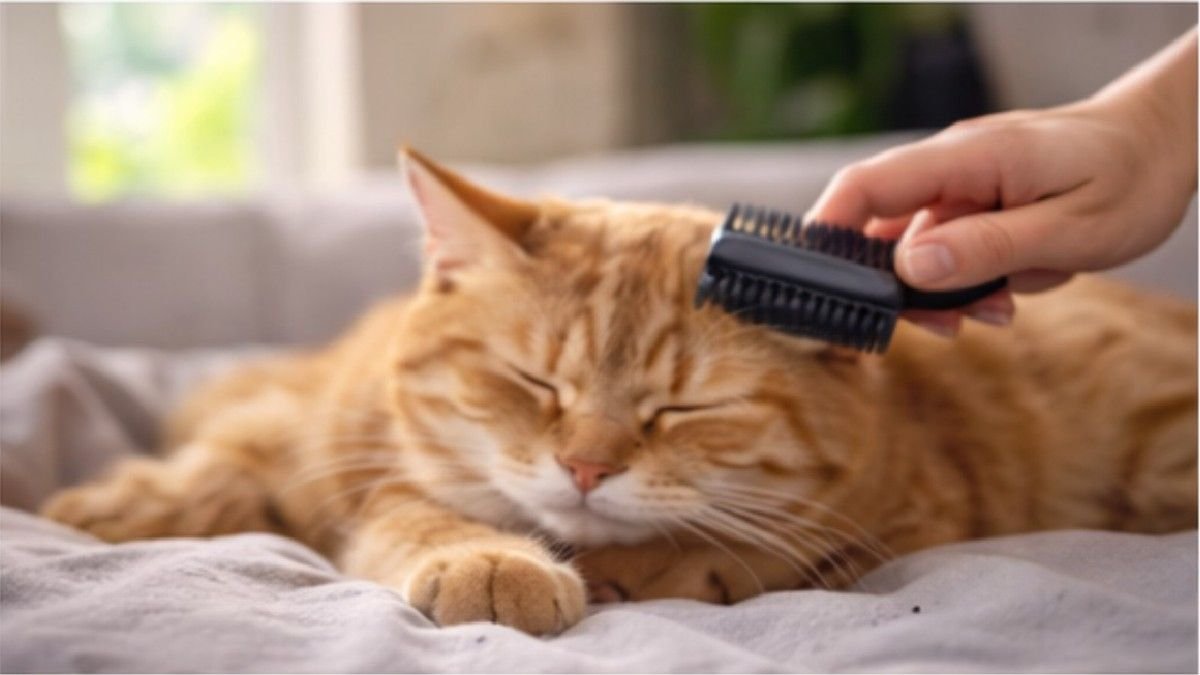
Start slowly. Let the cat sniff the brush. Gentle, short strokes work best. Long sessions early on. Bad idea.

Loose tangles with fingers before brushing. Never pull hard. Over time, brushing becomes pleasant for both of you.

Short sessions are fine. A minute or two is enough at first. Treats afterward work wonders. My cat used to tolerate 30 seconds. Now, she sometimes leans in herself. Patience is everything.

Mats and Tangles

Mats are a nightmare for long haired cats. Neck, belly, behind legs. Spots to check.

Ignoring small mats. Learned the hard way. Never use scissors near mats. Skin is too thin. Finger combing works, or a wide comb. Too tight. Go professional.

Ignoring mats leads to discomfort, irritation, even infections. Regular brushing prevents most of these issues.

Nail Care

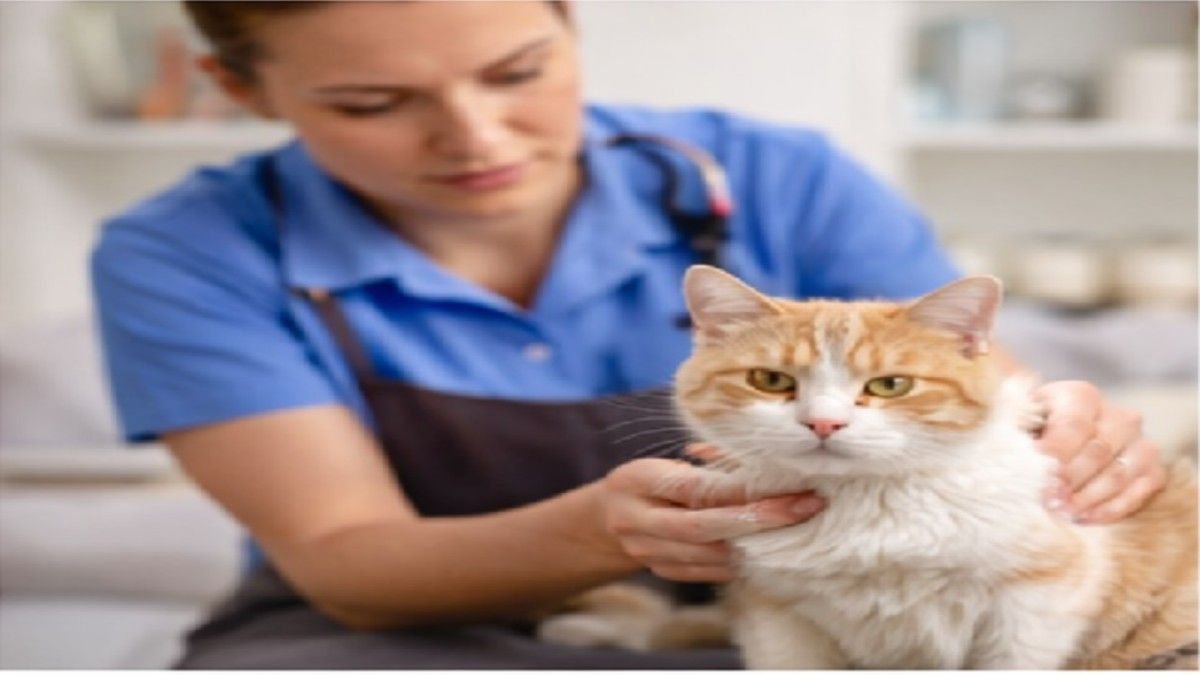
safely trimming cat nails with proper pet nail clippers

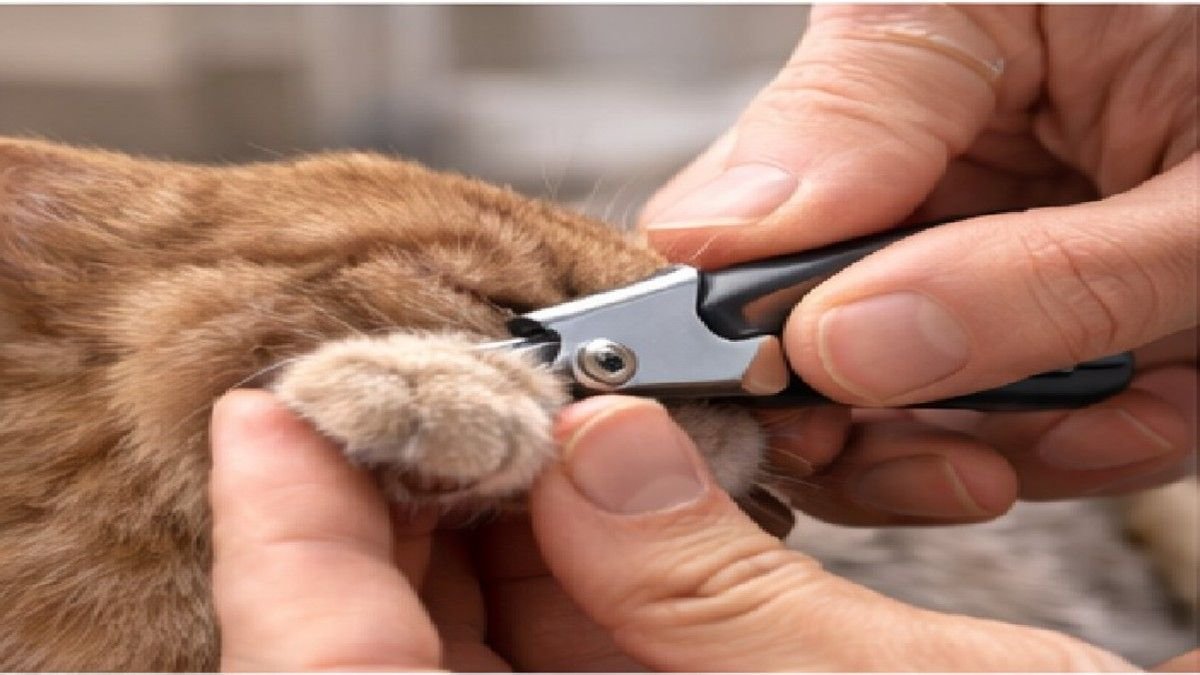
Trimming nails can be intimidating. Gentle handling, good lighting, and patience. Press the paw to extend the nail. Trim only the tip. Avoid the pink quick.

If your cat resists, do a few nails at a time. Reward afterward. Consistency matters more than doing all nails in one go.

Ears and Eyes

Cleaning cat ears and eyes gently using soft damp cloth

Healthy ears. Light pink, mostly clean. Small wax is fine. Strong smell or dark discharge. Vet time.

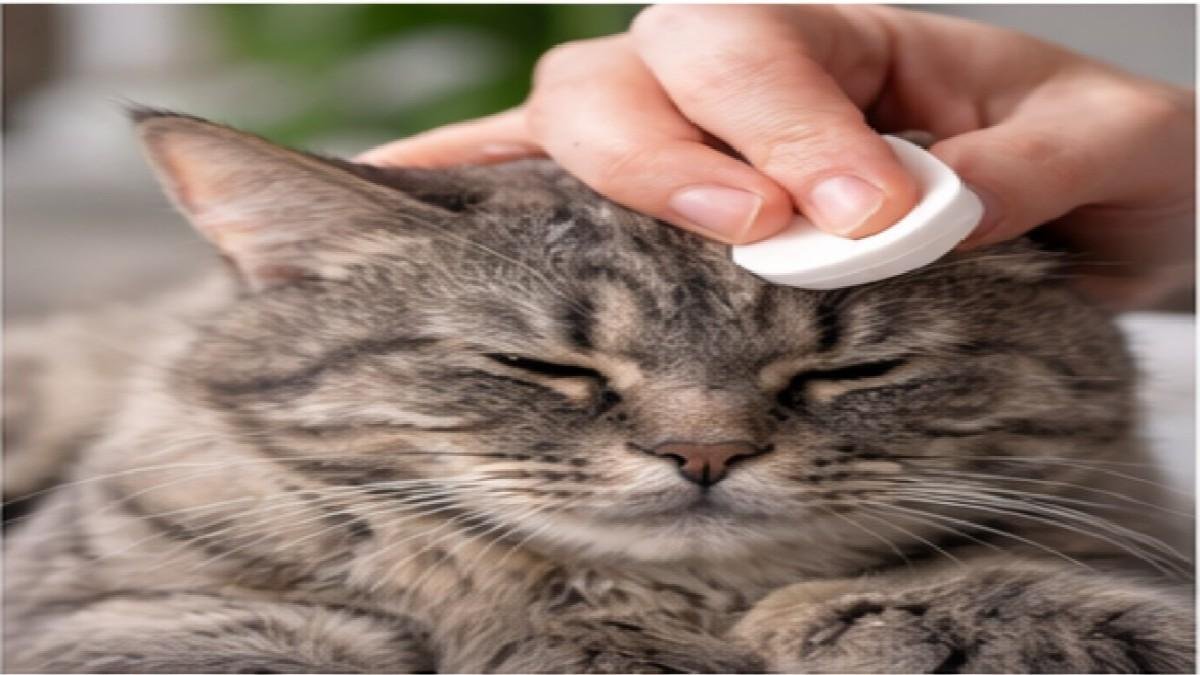
Eyes. Clear. Some discharge after sleep is normal. Thick or constant. Vet check. A damp cloth is enough. Avoid cotton swabs inside the ears.

Bathing Cats

Bathing a cat safely using cat shampoo

Most cats hate water. Baths should be rare. I’ve bathed my cat twice in years. Sticky or dirty situations.

Preparation matters. Warm water, cat shampoo, towels ready. Wet, shampoo, rinse, dry. If the cat panics, stop. Safety first. Some cats get used over time. Patience is key.

Senior Cats

Older cats groom less. Joint pain or low energy makes it harder to reach spots.

Gentle brushing keeps fur healthy and helps notice health changes. Weight loss, lumps, behavior shifts. Nail trimming becomes more important, too.

Short sessions are better. Older cats prefer calm attention.

Common Mistakes

Many owners assume cats don’t need grooming. Common mistakes.

• Forcing grooming
• Using human products
• Ignoring small mats
• Trimming nails too short
• Bathing unnecessarily

Patience and observation beat strict routines.

When to Seek Professional Help

Professional cat groomer safely handling a cat during grooming session

Severe mats, irritated skin, and aggressive behavior. Call a groomer or vet. Cats with medical conditions may also need help. Professional groomers know how to handle cats safely.

Final Thoughts

Grooming isn’t just looks. It’s comfort, health, and trust.

Short, consistent sessions matter more than long, perfect routines. Even five minutes daily helps.

Cats that tolerate grooming trust you. That trust is worth far more than a shiny coat.

Cat Grooming. Lessons From Living With Cats Read More »

Dog Grooming at Home: Practical Tips for Healthy and Happy Dogs

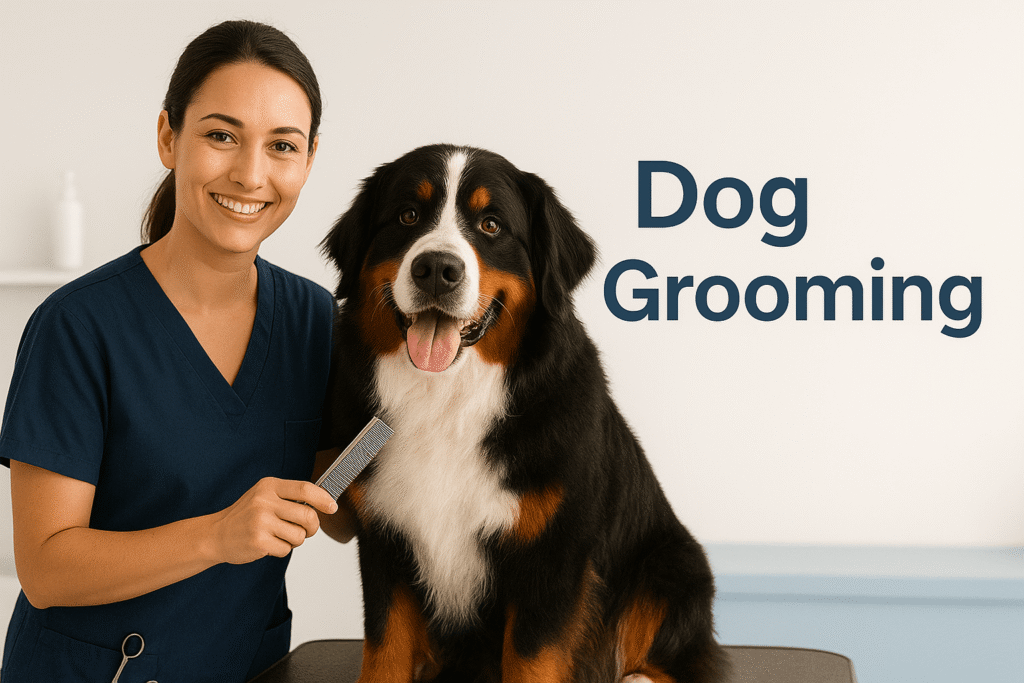
dog grooming of dog and owner used in feature image

Most people think dog grooming is only about looks. In real life, it is more about comfort, health, and daily care. A clean dog feels better, moves better, and usually behaves better too. Grooming is not something only professionals should do. Every dog owner can handle basic grooming at home with a little time and patience.

This article is written in a simple way, based on what normal dog owners deal with every day. No fancy terms, no perfect routines. Just practical care that works. From my personal experience, I’ve learned how to keep dog grooming safe and healthy.

Getting to Know Your Dog’s Coat

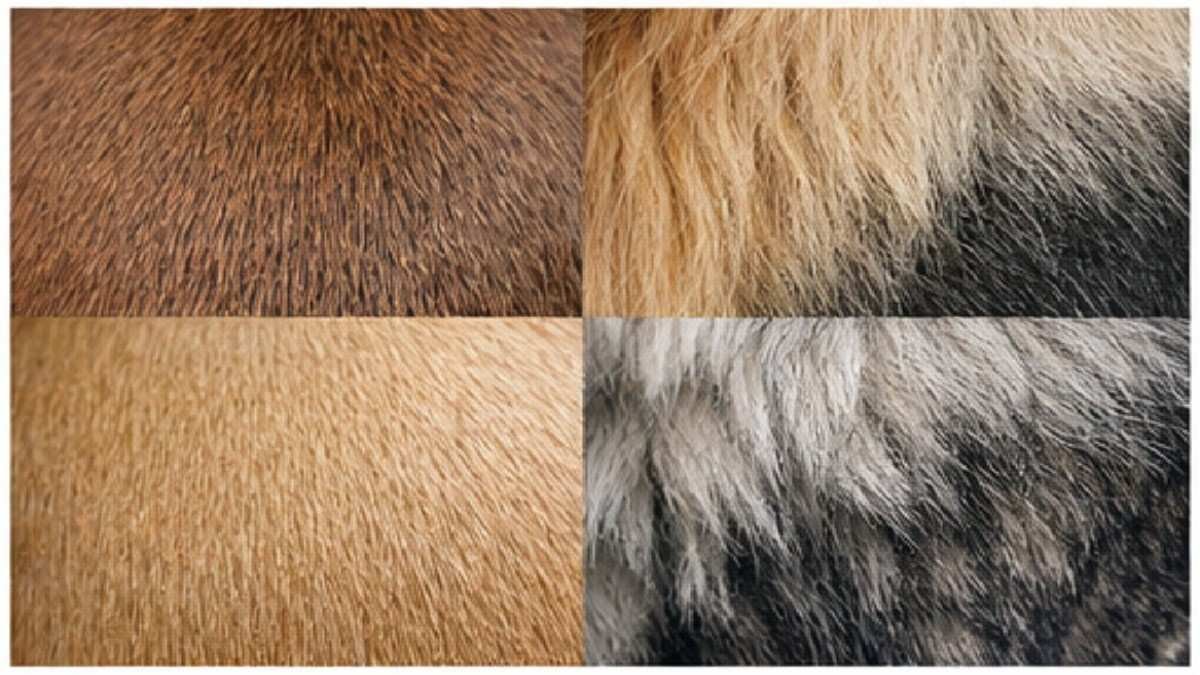
Different dog coat types including short hair long hair and double coat

Coat Types

Every dog’s coat behaves differently. Some dogs have short hair that sheds lightly. Others have long hair that tangles fast. A few have thick double coats that trap dirt and heat. Before grooming, it helps to notice how your dog’s fur reacts to brushing, water, and weather.

Brushing Frequency

If your dog’s hair sticks together easily, brushing needs to be more frequent. If the coat feels oily or smells bad quickly, bathing habits may need adjustment. These small observations matter more than breed labels.

Skin Health

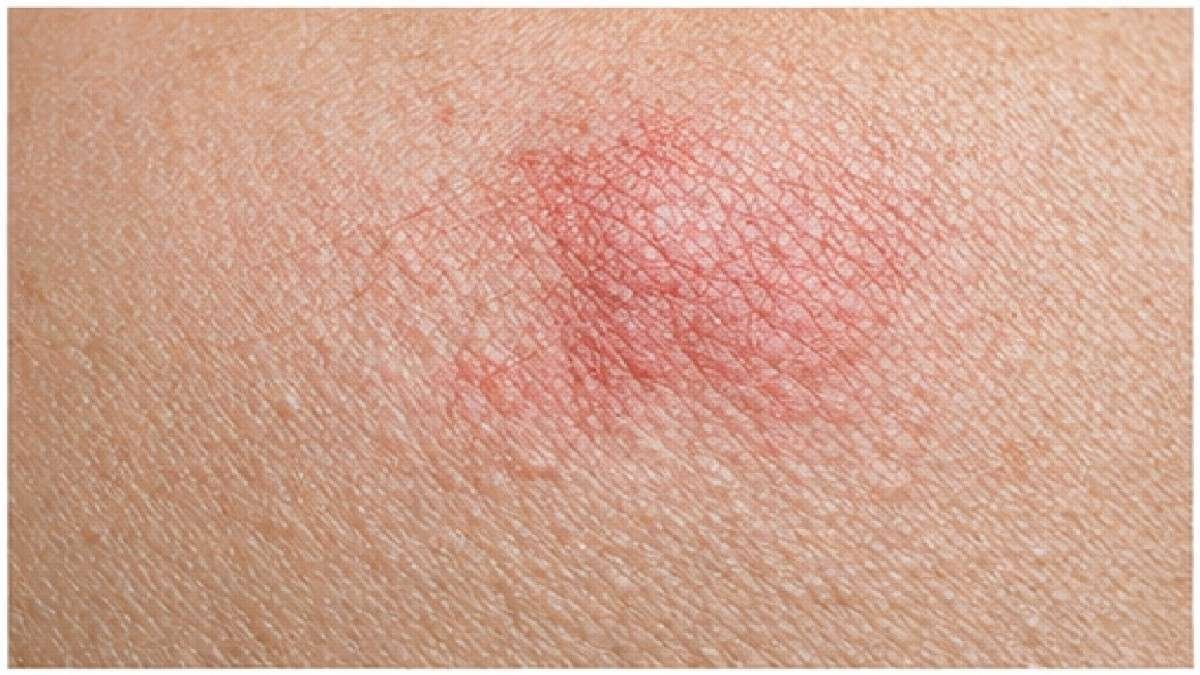
Close up view of dog skin showing mild redness during grooming check

Skin health is just as important. While grooming, you might notice dry patches, redness, bumps, or excessive scratching. These signs often show up early during brushing or bathing. That alone makes grooming valuable.

Why Grooming Makes Daily Life Easier

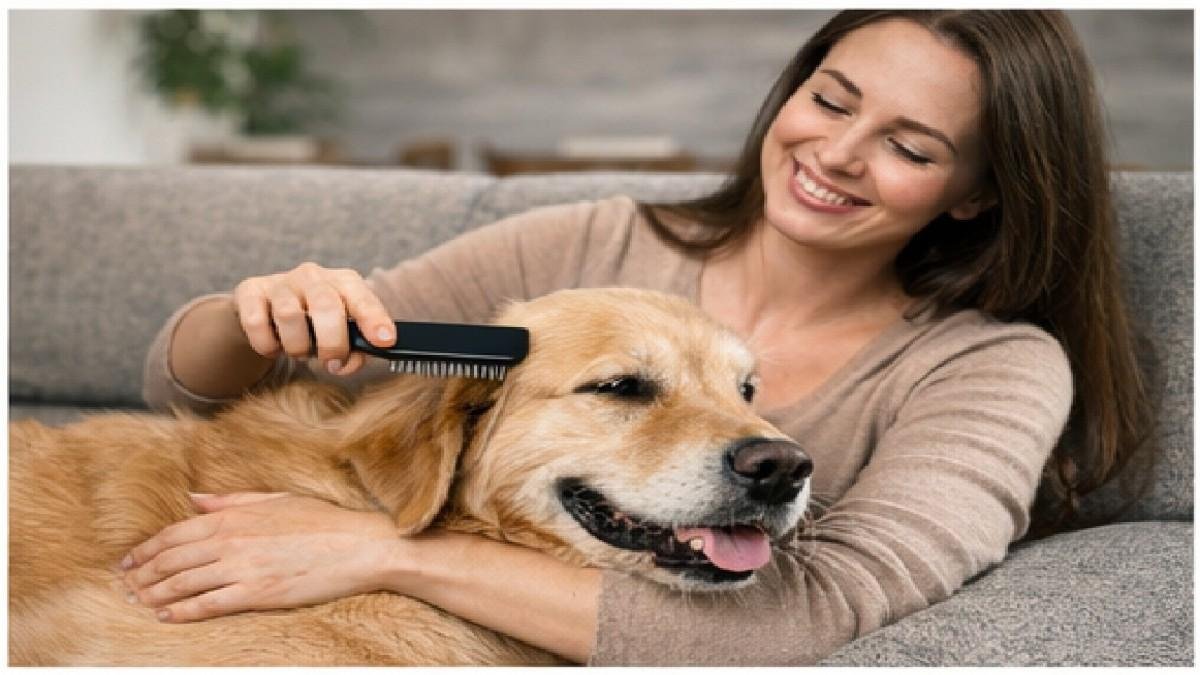
Dog owner gently brushing dog at home

Reduces Household Mess

Regular grooming saves trouble later. Dogs with brushed coats shed less around the house. Clean ears reduce head shaking and irritation. Trimmed nails prevent awkward walking and joint stress.

Better Behavior

There is also a behavior side to it. Dogs that get used to gentle handling stay calmer during vet visits. Grooming becomes a normal routine instead of a fight.

Early Detection

Another benefit is early detection. Many owners discover ticks, wounds, or skin issues during grooming. Catching problems early often avoids bigger medical costs.

Basic Grooming Tools You Actually Need

You do not need a full grooming kit to start. A few simple tools are enough.

Basic dog grooming tools including brush nail clipper and dog shampoo

Brushes and Combs

A brush that suits your dog’s coat is the most important item. For short hair, a soft bristle brush works well. For longer or curly coats, a slicker brush helps remove loose hair and small knots. A basic metal comb is useful for checking behind ears and under legs.

Nail Clippers

Nail clippers made for dogs are necessary. Human nail cutters can crack dog nails. If clippers feel scary, a nail grinder is another option, though some dogs dislike the sound.

Shampoo and Accessories

Always use dog shampoo. Human shampoo dries dog skin and can cause itching. A mild, unscented shampoo is usually safest. Keep old towels, cotton pads, and a gentle ear cleaning solution at home. These small things make grooming smoother.

Brushing Without Stress

Start Slowly

Brushing does not need to be perfect. What matters is consistency. Two or three sessions a week help most dogs. Long hair dogs may need daily brushing, even if it is just five minutes.Brushing spreads natural oils across the coat and keeps fur looking healthy. It also reduces hair buildup on furniture and clothes.

Handling Knots

Let the dog sniff the brush. Begin with easy areas like the back before moving to sensitive spots. If you find a knot, do not pull hard. Use fingers to loosen it or trim it carefully if needed.

Bath Time Done Right

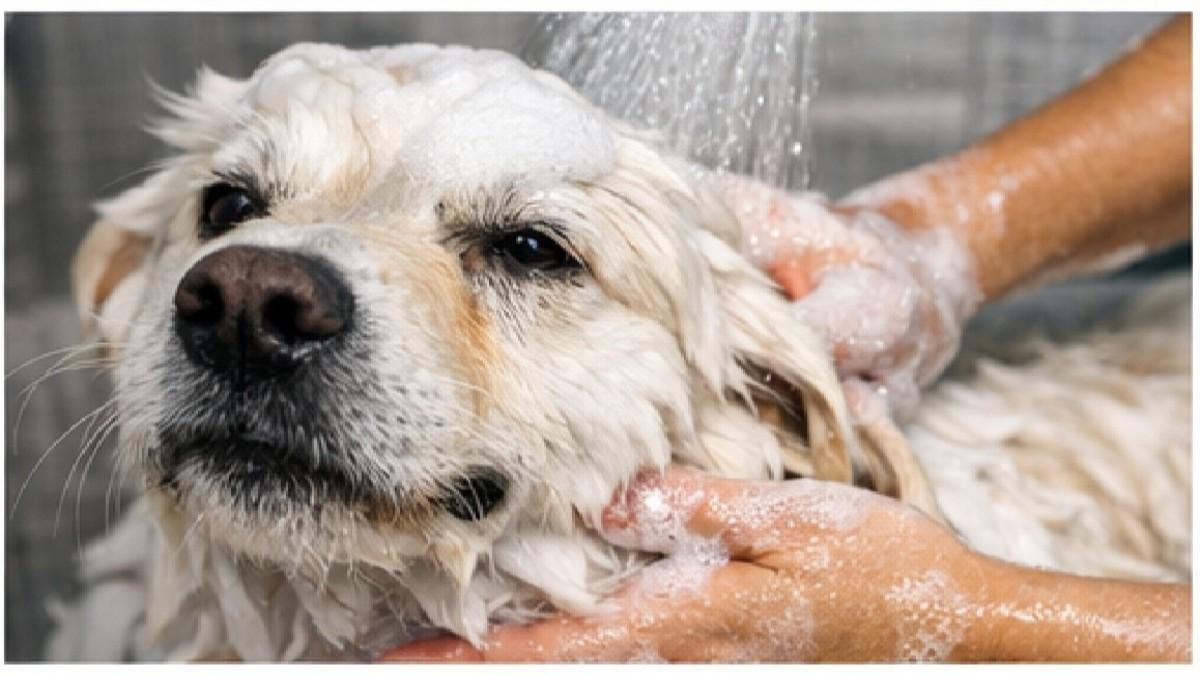
Dog getting a gentle bath using dog shampoo

Pre-Bath Prep

Most dogs do not need frequent baths. Once every few weeks is usually enough unless the dog gets very dirty.Brush before bathing to remove loose hair.

Shampoo and Rinse

Use lukewarm water. Wet the coat fully, then apply shampoo and massage gently. Avoid eyes and inside ears.Rinse longer than you think is needed. Shampoo left on the skin often causes itching later.

Drying

Dry the dog with a towel. Hair dryers are optional and should only be used if the dog stays calm.

Nail Trimming and Paw Checks

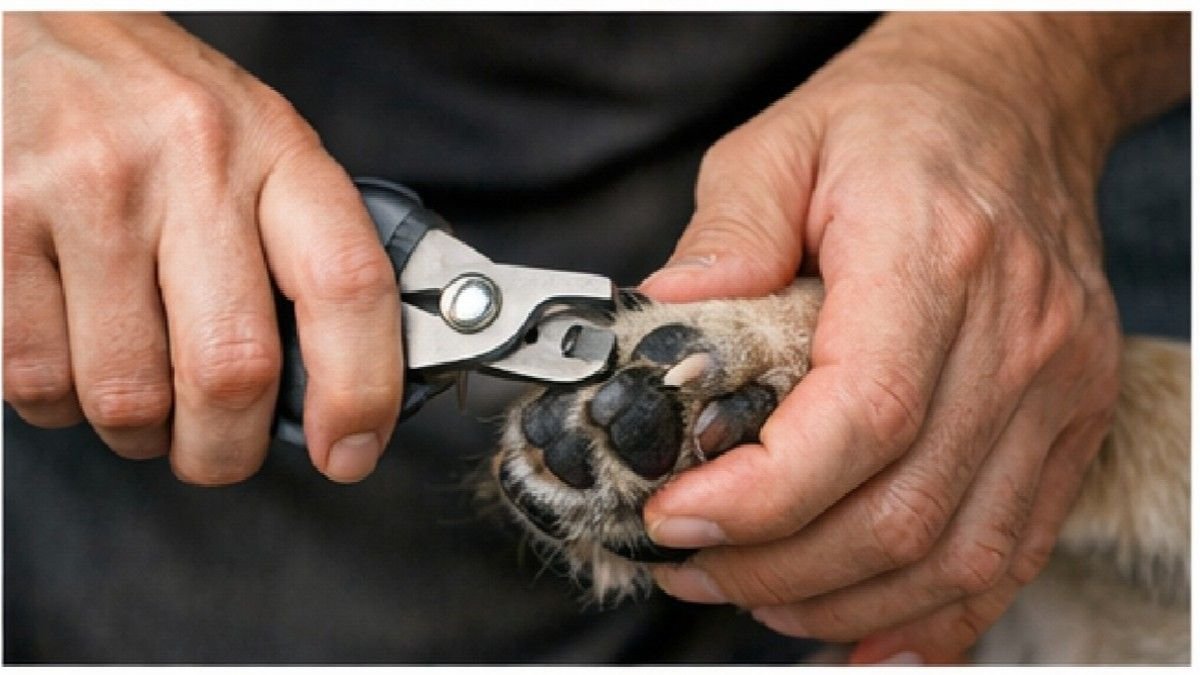
Trimming dog nails carefully with proper nail clippers

Trim Nails Safely

Long nails can cause pain and posture problems. If nails click on the floor, they are too long. Trim a small amount at a time. The pink area inside the nail is sensitive and should be avoided.If bleeding happens, stay calm and apply pressure.

Paw Inspection

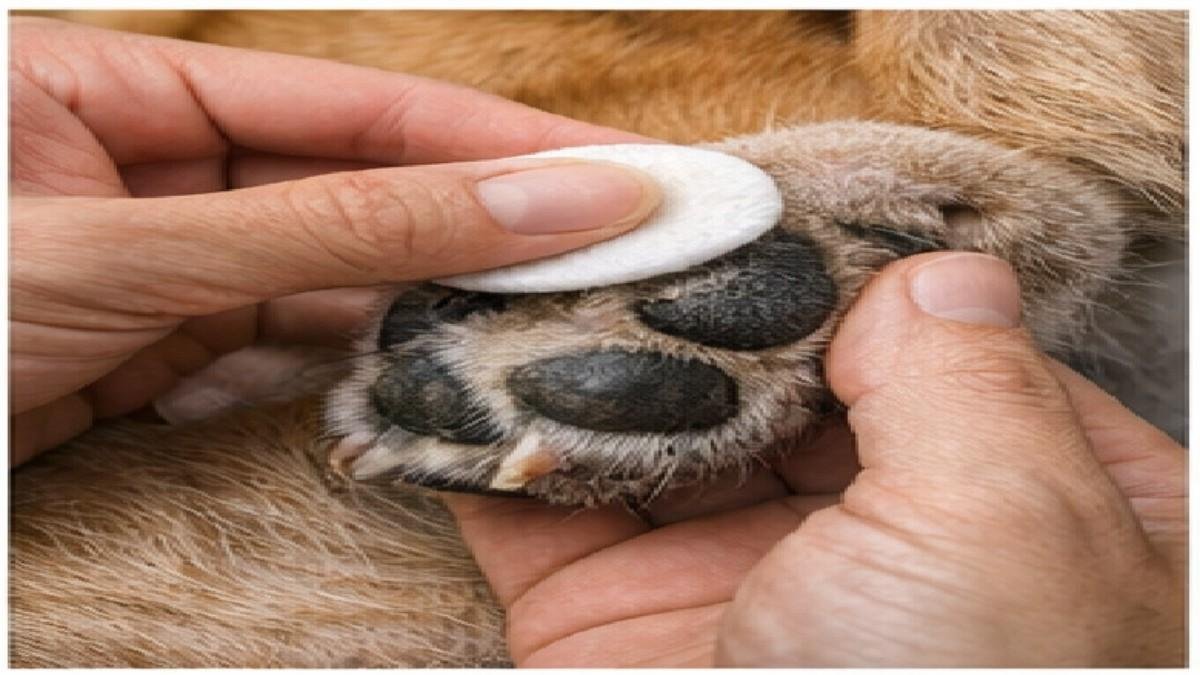
Cleaning and checking dog paws during grooming

Check paws during grooming. Look for cracks, cuts, or objects stuck between toes. After walks, a quick wipe keeps paws clean and prevents infections.

Cleaning Ears and Eyes

Ear Cleaning

Ears should be checked weekly. Clean only what you can see. Use a cotton pad with dog ear solution. Never push anything deep into the ear.

A bad smell or heavy discharge usually means infection and needs a vet visit.

Eye Cleaning

Eyes can be wiped gently with a damp cloth. Tear stains are common and mostly harmless. Redness or swelling should not be ignored.

Managing Shedding

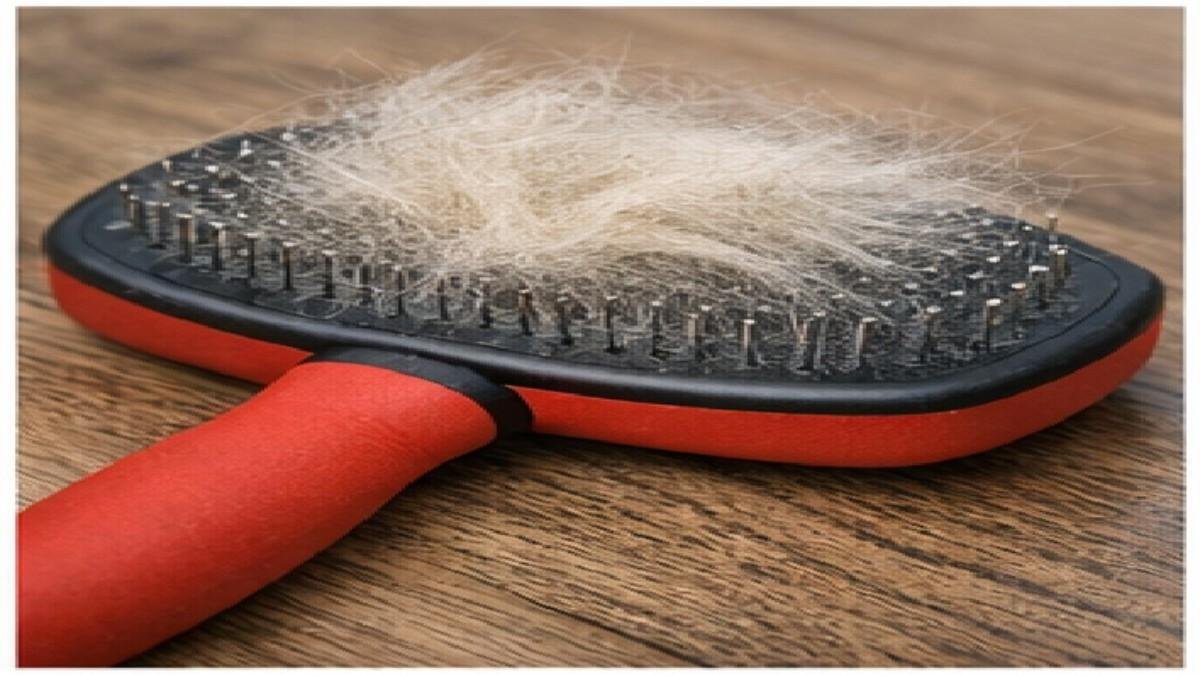
Loose dog hair collected on grooming brush

Regular Brushing

Shedding is normal. Regular brushing controls it better than frequent bathing. During seasonal shedding, daily brushing helps a lot.

Diet and Water

Diet matters too. Dogs on balanced food usually have healthier coats. Clean water should always be available.

Watch for Health Issues

Sudden heavy shedding can be stress or health related. If it feels unusual, professional advice is a good idea.

Helping Nervous Dogs Feel Safe

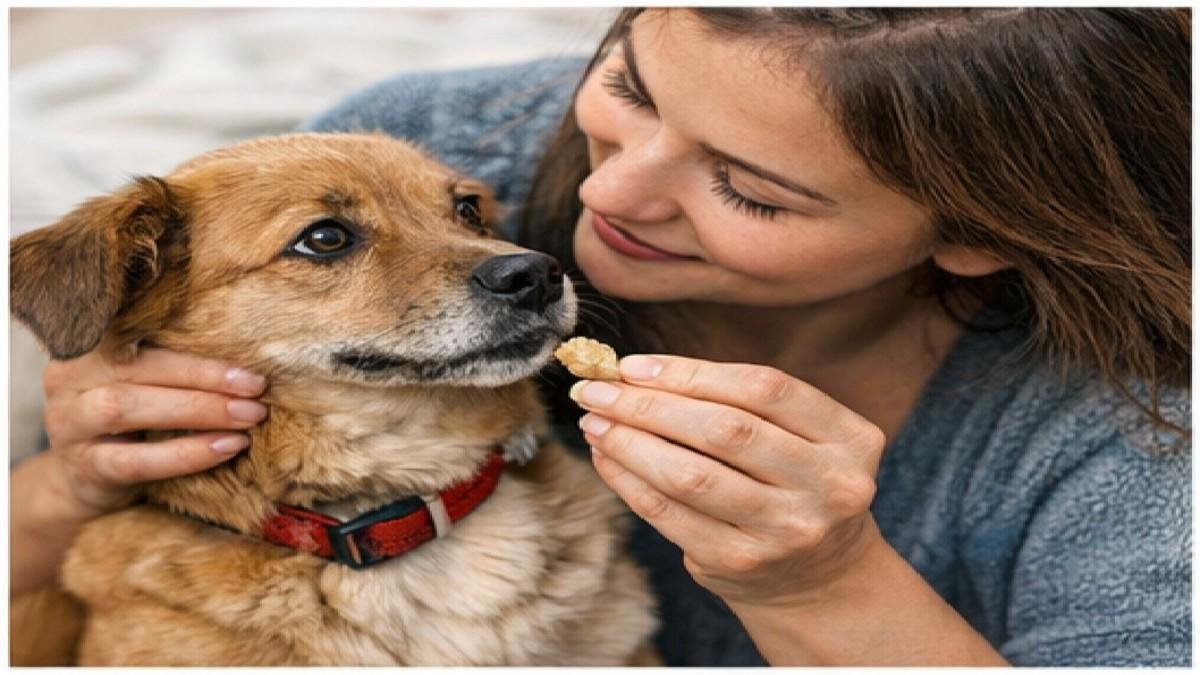
Owner calming nervous dog with treat during grooming

Short Sessions

Some dogs dislike grooming. This often comes from fear or past experiences. Patience works better than force.Keep sessions short. Use calm voice and rewards. Stop if the dog becomes very stressed. Over time, familiarity builds comfort.

Professional Help

For aggressive reactions, professional groomers or trainers are safer options.

Home Grooming vs Professional Grooming

Home Grooming

Home grooming handles everyday needs. Brushing, bathing, and nail trimming can be done at home.

Professional Grooming

Professional groomers are useful for full haircuts, heavy mat removal, and breed specific styles. Many owners combine both approaches.

Common Grooming Mistakes

Shampoo Mistakes

Using human shampoo damages skin.

Brushing Mistakes

Skipping brushing leads to painful mats.

Nail and Skin Mistakes

Cutting nails too short creates fear. Ignoring skin changes delays treatment.

Simple awareness prevents most mistakes.

Building a Realistic Routine

Simple Steps

A simple routine works best. Brush a few times a week. Bathe when needed. Trim nails monthly. Check ears and eyes weekly.

Predictable Routine

Dogs relax when routines stay predictable. Grooming slowly becomes part of normal life.

Final Thoughts

Clean and happy dog after grooming session

Summary

Dog grooming is not about perfection. It is about care, comfort, and attention. A few regular habits keep dogs healthy and happy.

Benefits

A well groomed dog is easier to live with and often feels more confident. Most importantly, grooming strengthens the bond between you and your dog.


Dog Grooming at Home: Practical Tips for Healthy and Happy Dogs Read More »